From The Conversation · María G. Leija · · 1m 20s
Children Need Early Race Conversations
Early race talks help kids understand racism without colorblindness.
In brief
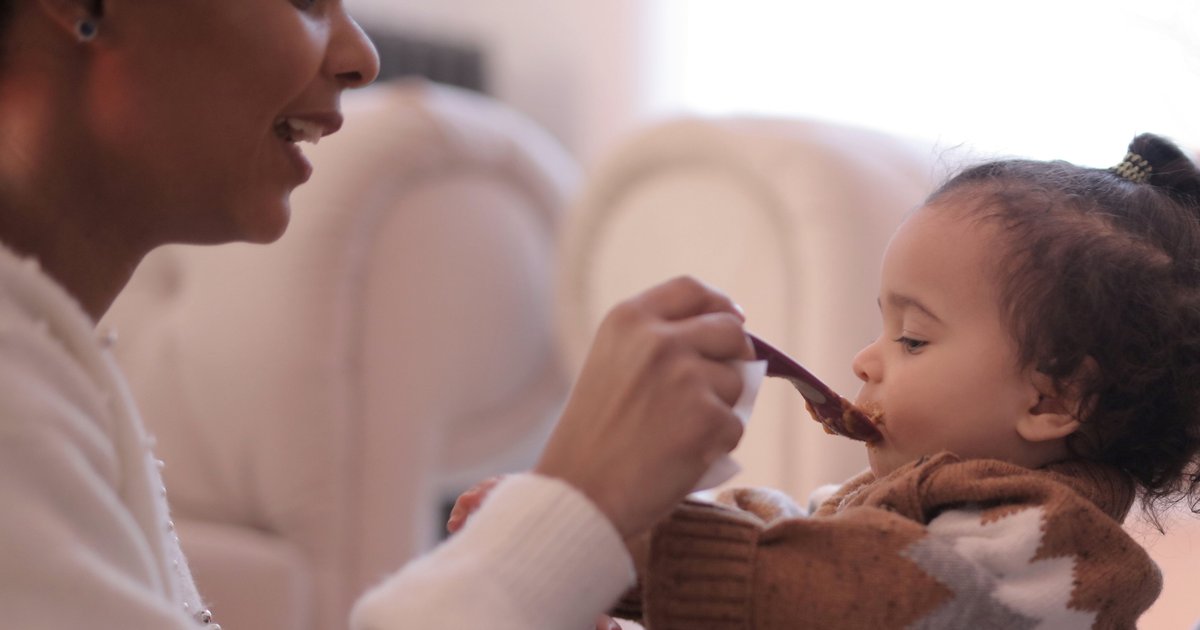
Early race talks help kids understand racism without colorblindness. Parents and educators should start discussing race with children as young as 3 to build understanding of racism and injustice. Originally reported by The Conversation.
Why early race talks matter
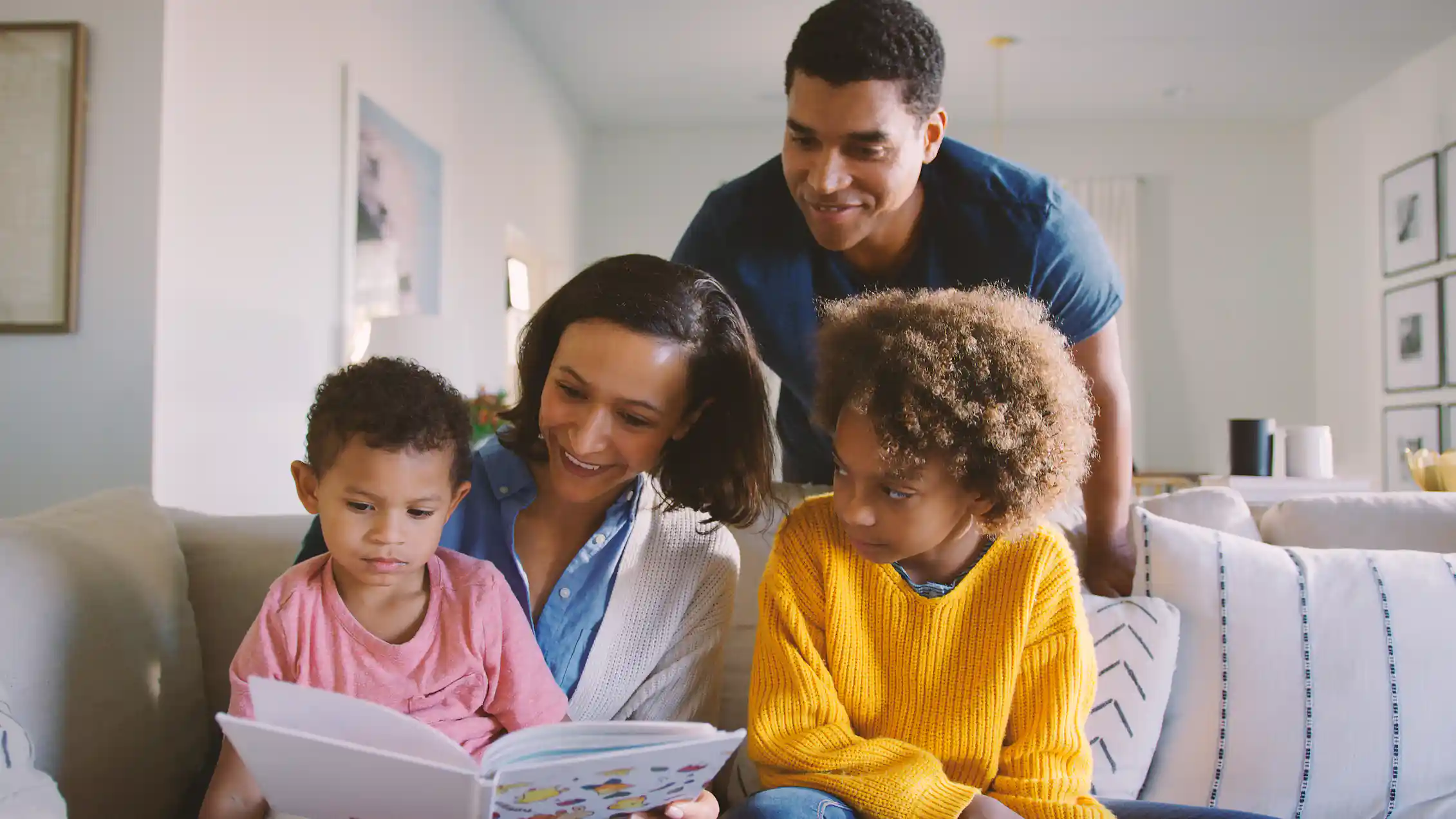
Research shows children as young as 2 or 3 can notice racial differences and form biases.
Colorblindness denies race vocabulary
Saying you don't see race denies children a vocabulary to understand racial differences.
Black parents talk more about race
Black parents have been found to discuss race and racism with children more than white parents.
Children's books help race discussions
Books like 'The Talk' and 'Separate is Never Equal' provide age-appropriate race conversations.
Marley Dias' book drive
Marley Dias collected over 13,000 books for Black girls through her #1000BlackGirlBooks campaign.
Children's literature for justice
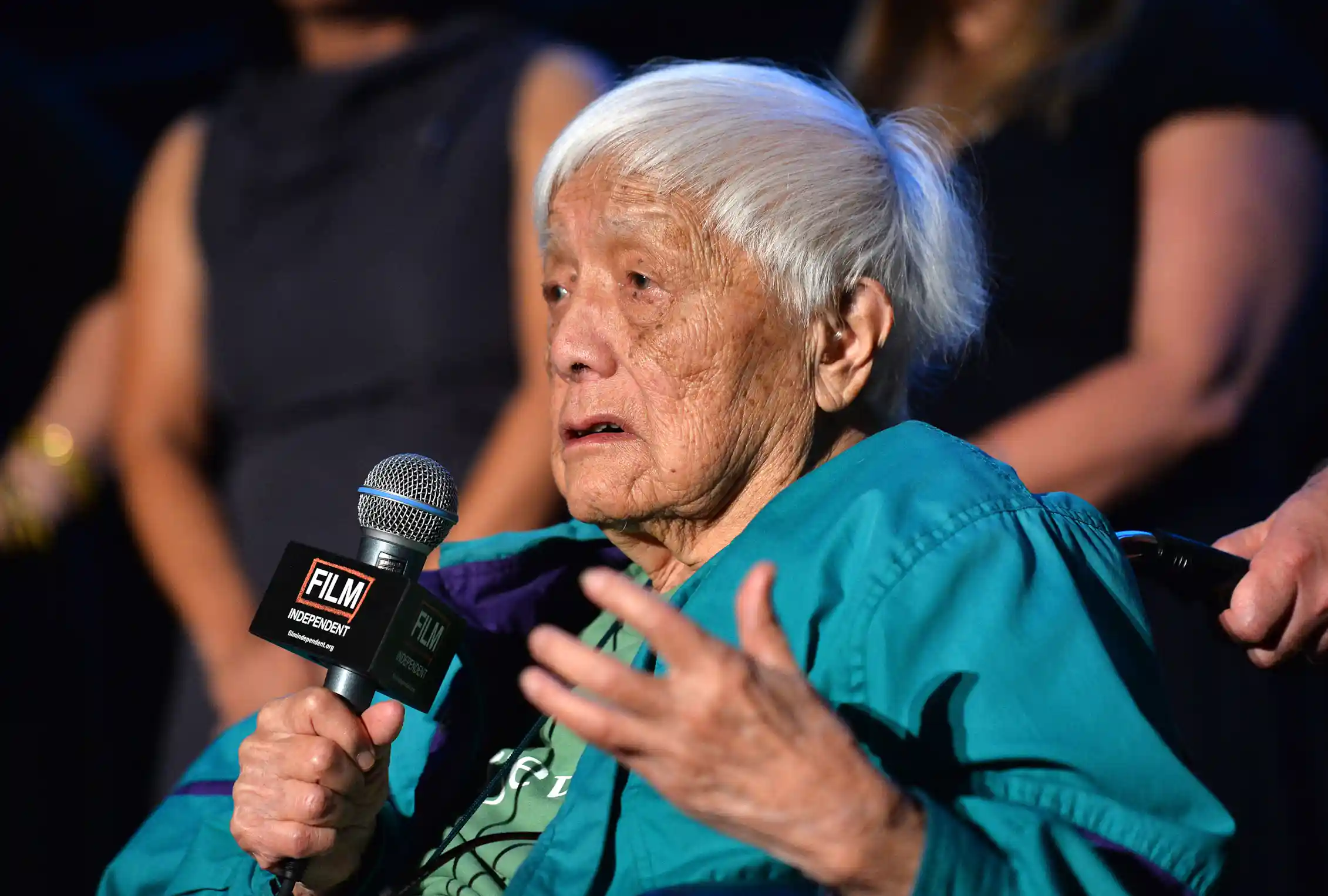
Books like 'Rez Kid' and 'Grace Lee Boggs: Gardens of Hope' teach about racial justice and activism.
How to start race conversations
Normalize discussing skin color, ethnicity, culture and language in everyday life and media.
Children understand injustice
Children notice injustice, question it, and can engage in social justice work without adult guidance.
What happens next
Early race conversations help children confront historical and modern injustices as they grow.
The main idea
Parents and educators should start discussing race with children as young as 3 to build understanding of racism and injustice.