From The Conversation · Bethany Tietjen · · 3m
Cities race to prepare for 2026's super El Niño
A powerful El Niño is coming, but most disaster plans ignore the people who need help most.
In brief
A powerful El Niño is coming, but most disaster plans ignore the people who need help most. Preparing for extreme weather requires planning for vulnerable populations like homeless people and older adults, not just fixing infrastructure. Originally reported by The Conversation.
A super El Niño is coming
This year's El Niño could be one of the strongest on record, bringing extreme heat, destructive storms and flooding through early 2027. The U.S. already saw its hottest summer on record.
What El Niño does to weather
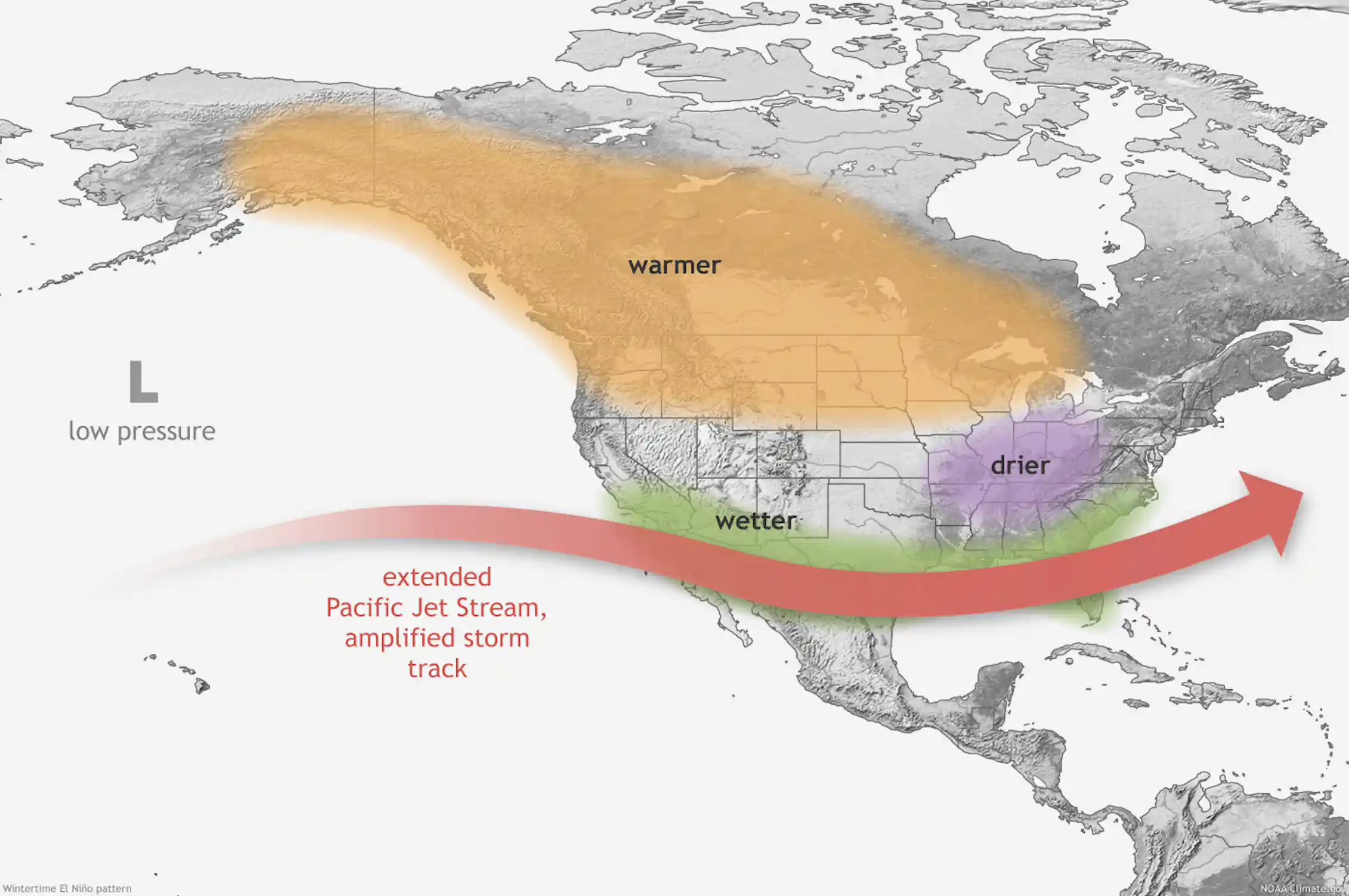
El Niño shifts normal weather patterns. Wet regions become dry while dry areas flood. Global temperatures rise, creating dangerous heat indoors and outdoors.
West Coast faces coastal flooding

On the U.S. West Coast, El Niño combined with king tides and rising sea levels could cause severe coastal flooding, erosion and infrastructure damage. Past El Niños have shut down highways for months.
Infrastructure needs urgent attention
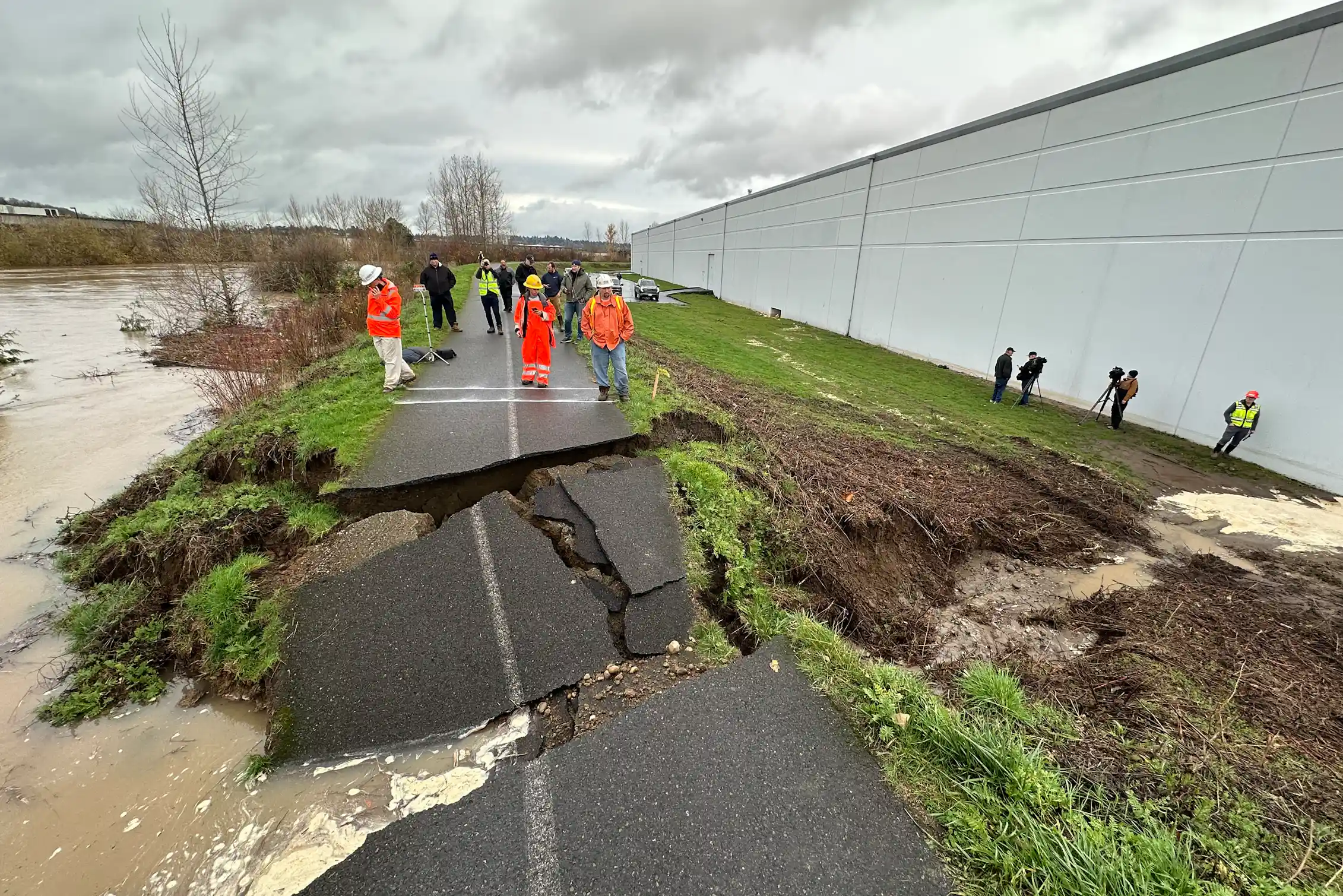
Cities must inspect flood control systems, trim trees near power lines, and reinforce dams, stormwater channels, roads and bridges. Aging infrastructure is especially vulnerable.
Old levees failed in Seattle
In December 2025, heavy rainfall broke levees in multiple Seattle-area communities. Repairs had been discussed for years but never completed before the failure.
Governments ignore social vulnerability
Most disaster planning focuses on physical infrastructure while overlooking vulnerable populations like homeless people, older adults and people with disabilities who face higher risks.
Homeless people in flood zones
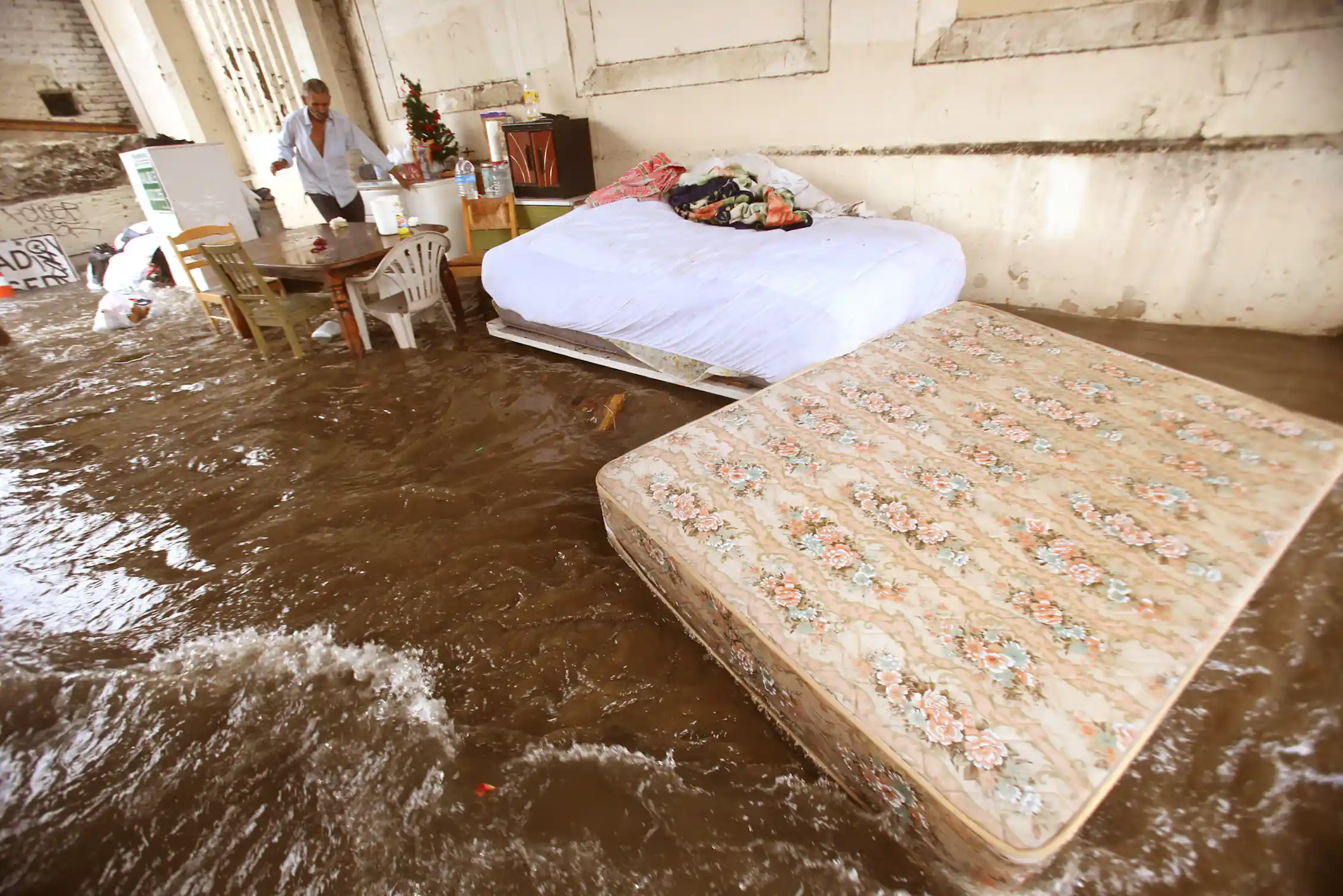
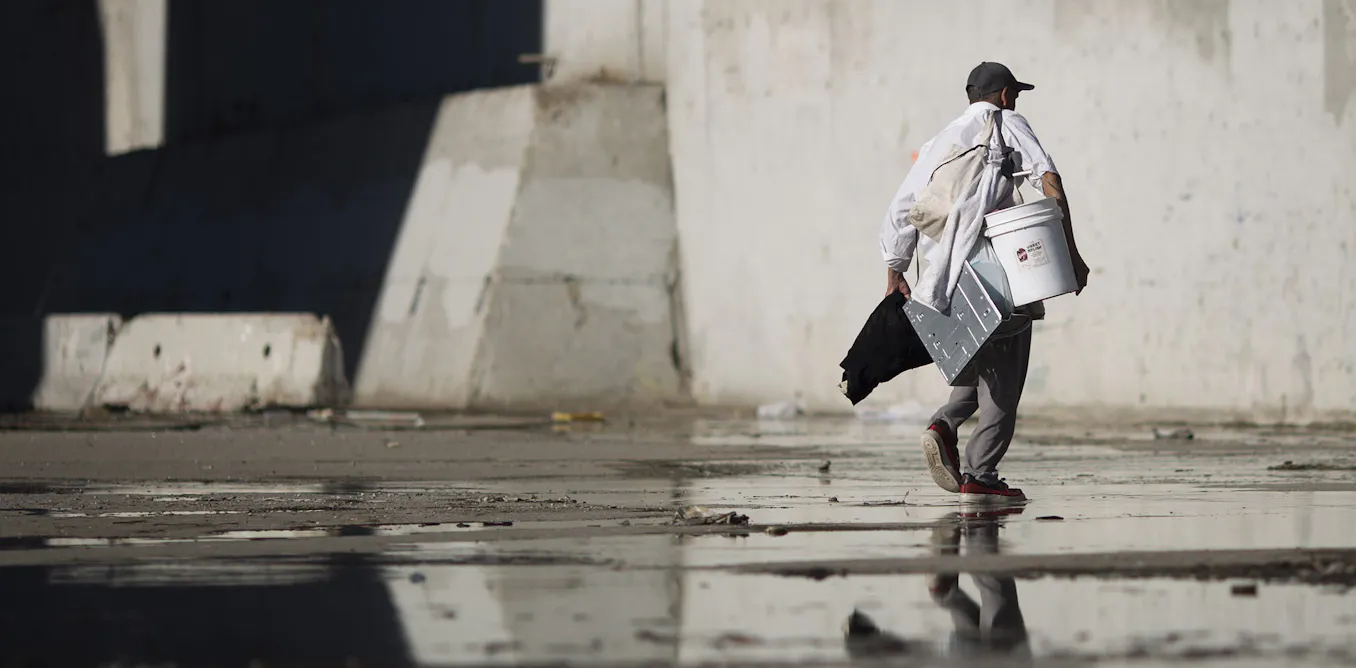
In Los Angeles, homeless people camp in normally dry riverbeds that flood during El Niño. During the 2015-16 El Niño, heavy rains swept away their shelters and belongings.
Vulnerable groups need more help
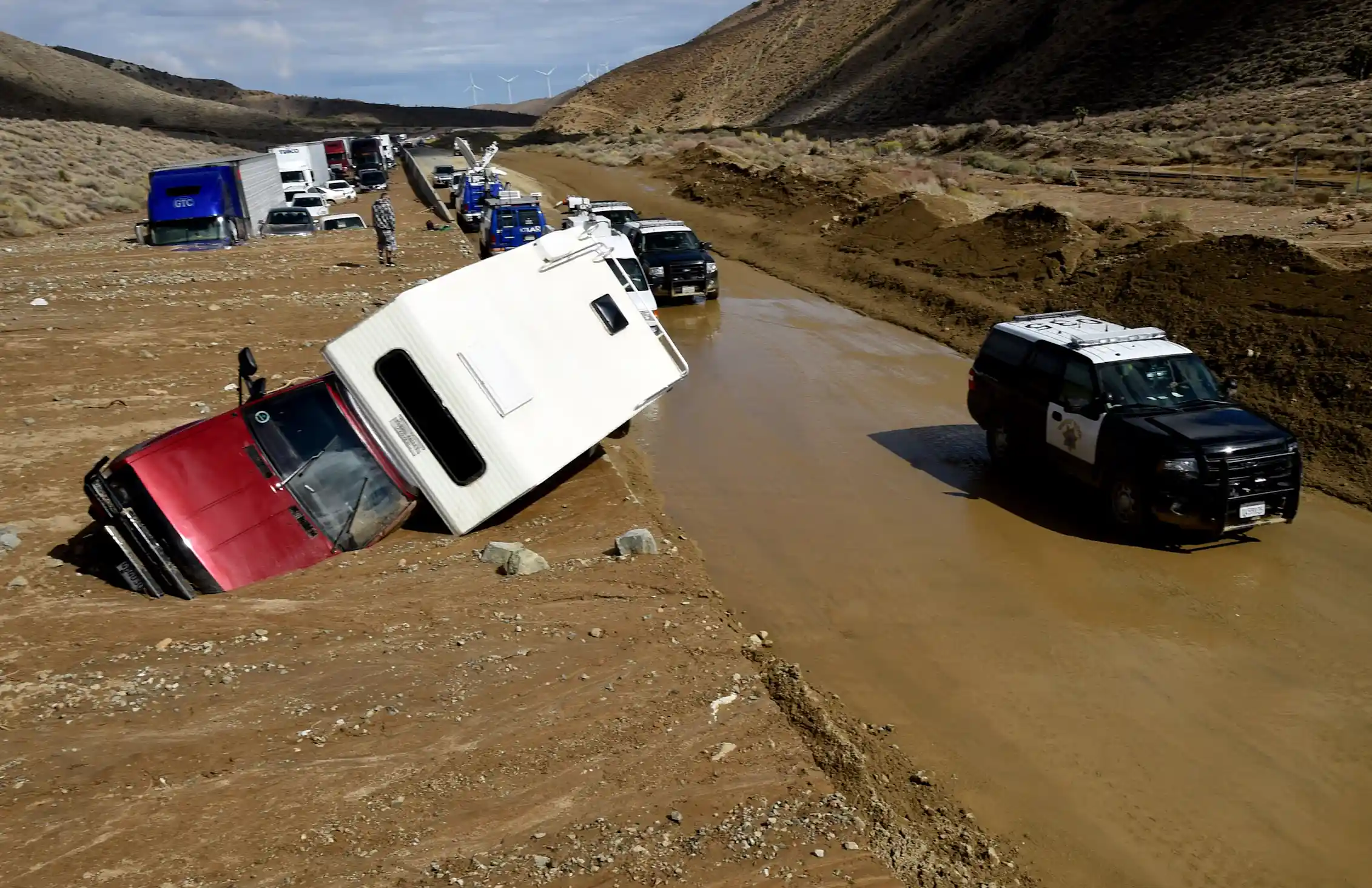
People with limited mobility struggle to evacuate quickly. Those with limited money can't relocate or improve homes. Older adults and disabled people need transportation and healthcare access during disasters.
Why social planning is harder
Building a seawall is easier to fund than addressing homelessness or poverty. Reducing social vulnerability requires coordination across housing, healthcare, emergency management and social services over years.
Los Angeles runs scenario exercises
Los Angeles is using scenario exercises to bring together county departments and community coordinators to practice responding to El Niño-driven extreme weather before it happens.
Other cities prepare publicly
San Francisco Bay Area and Durham County, North Carolina officials are talking publicly about risks. Oceanside, California created an El Niño working group across departments to coordinate planning.
Plan for people, not just pipes
Successful El Niño preparation requires understanding vulnerable populations' needs and having plans to meet them. Infrastructure maintenance and scenario planning help prevent storms from becoming disasters.
The essence
Preparing for extreme weather requires planning for vulnerable populations like homeless people and older adults, not just fixing infrastructure.