From The Conversation · Kendall Medford · · 3m
Creole in schools sparks Dominican backlash
A proposal to teach Haitian Creole in Dominican schools reignites old fears about national identity and Haitian immigration.
In brief
A proposal to teach Haitian Creole in Dominican schools reignites old fears about national identity and Haitian immigration. A practical education proposal has exposed deep historical tensions between the Dominican Republic and Haiti, though growing support suggests attitudes may be shifting. Originally reported by…
Dominican lawmaker proposes Creole courses
In September 2026, a Dominican legislator introduced a bill requiring all public schools to offer Haitian Creole classes. The proposal faced immediate and fierce public backlash.
Historical occupation fuels nationalist fears
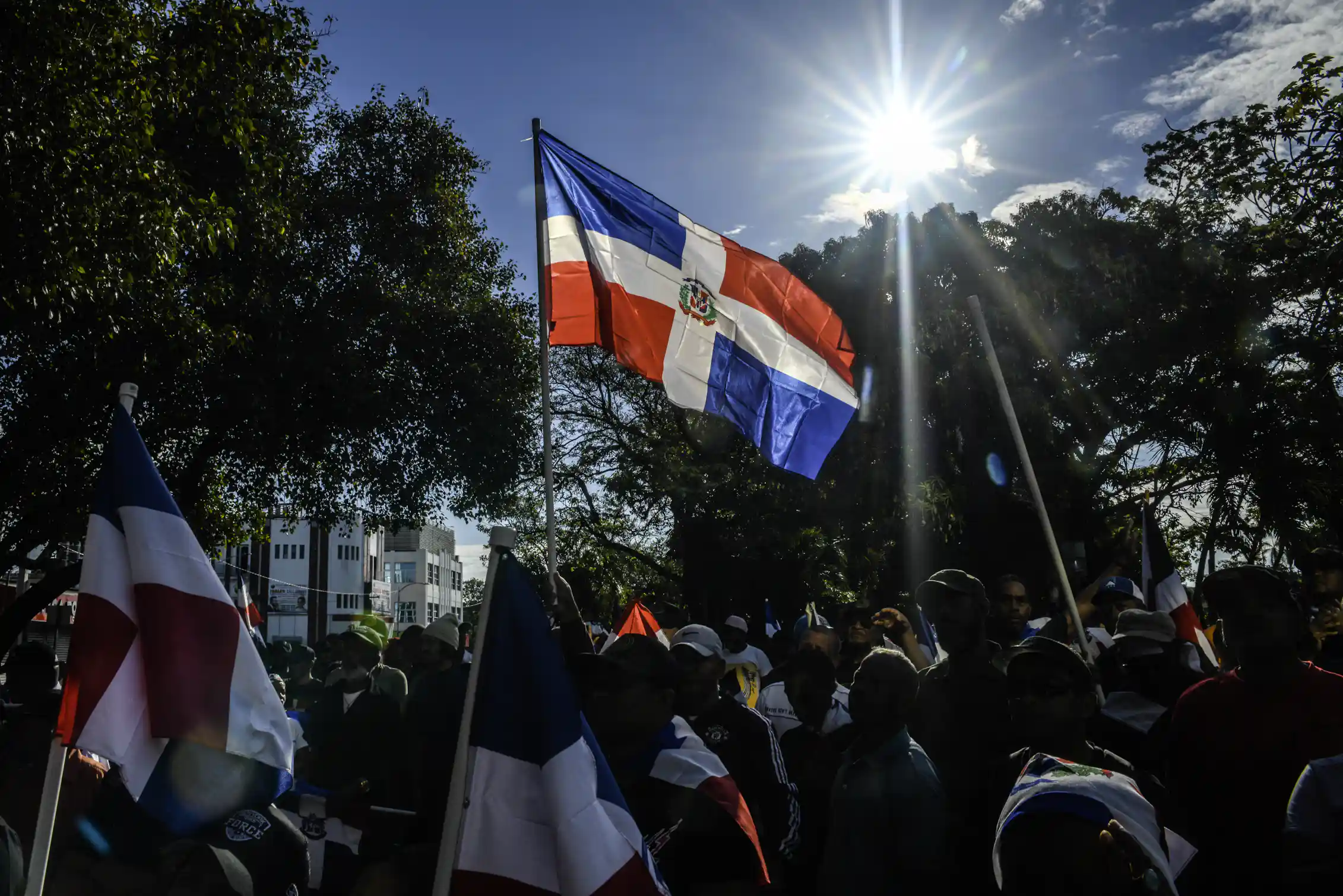
Dominican nationalists cite Haiti's 22-year occupation from 1822 to 1844 as proof of a long-planned unification plot. The Dominican Republic celebrates independence from Haiti, not Spain, on February 27.
Haitian immigration seen as invasion
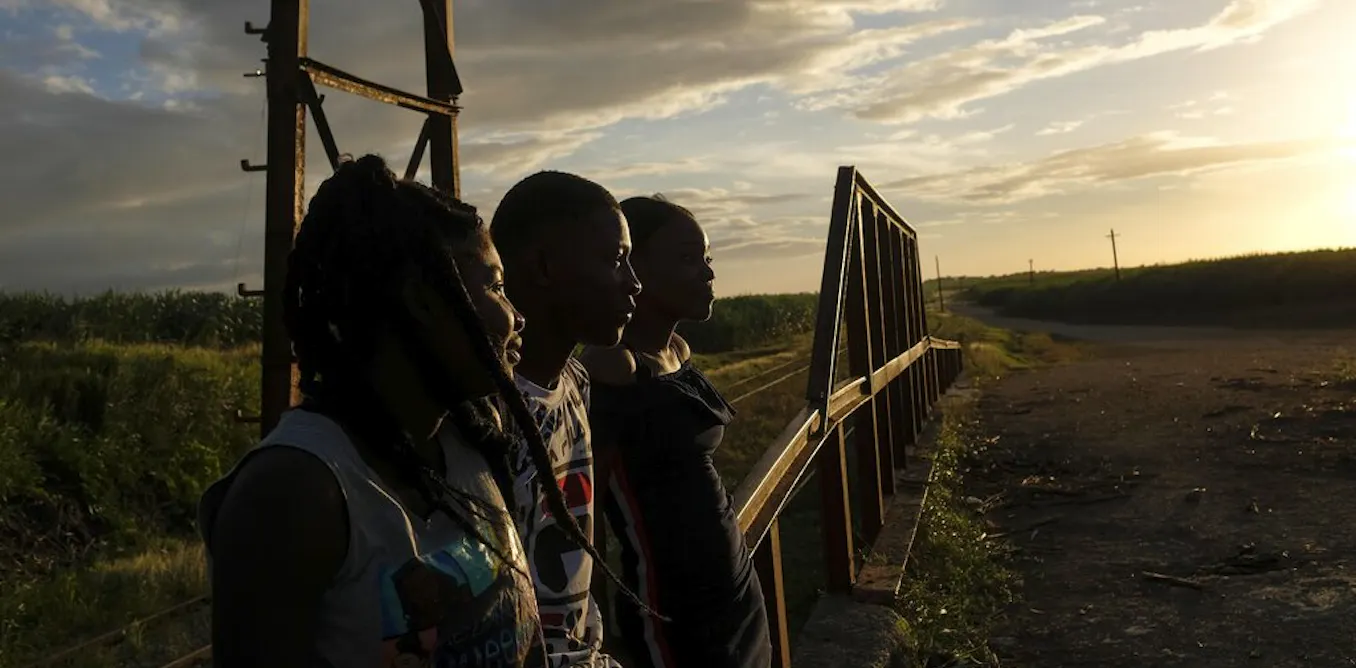
Between 500,000 and several million Haitians live in the Dominican Republic, forming the largest Caribbean diaspora. Dominican politicians have framed this immigration as a peaceful invasion for over 50 years.
Creole is already widely spoken
Haitian Creole is the second-most spoken language in the Dominican Republic after Spanish. Yet it has been systematically excluded from public spaces like hospitals and signage where migrants need it most.
Creole is a full language, not a dialect
Though often dismissed as broken French, Haitian Creole has its own grammar, orthography and language academy. It became Haiti's official language in 1987 and is spoken by the entire population.
Many Dominicans grow up bilingual
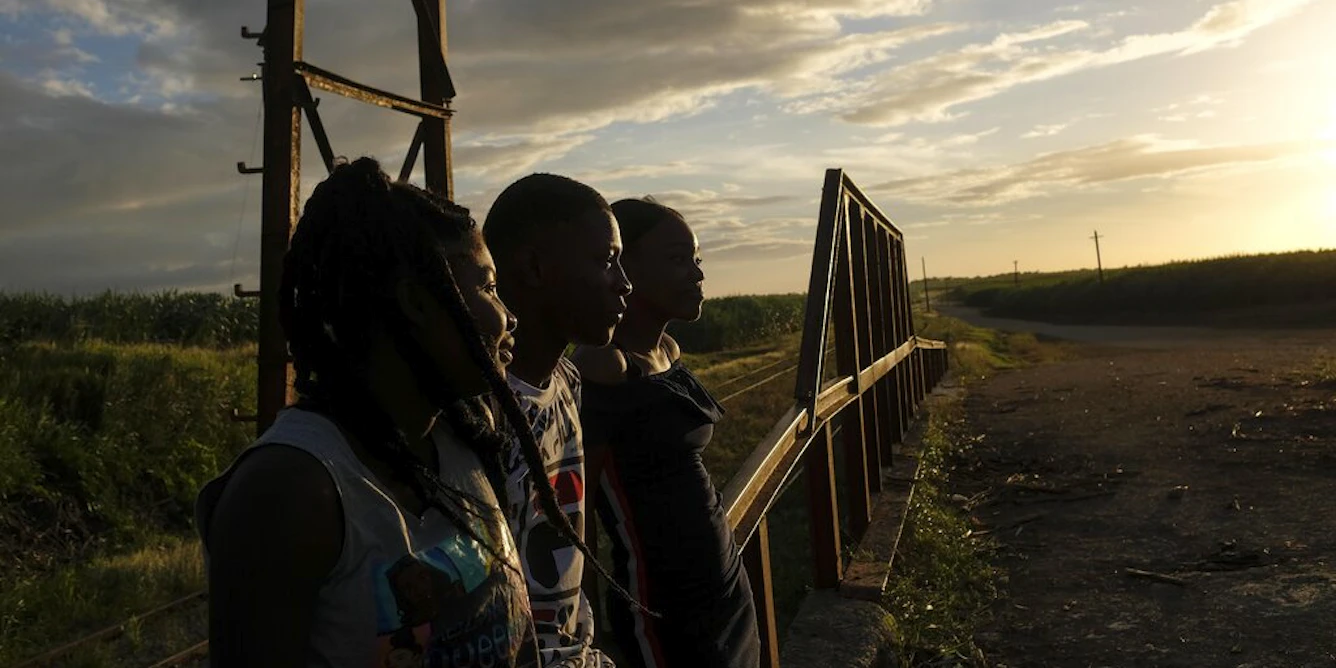
In border regions and Haitian enclaves, many Dominicans of Haitian descent speak Creole at home as a first language. Mixed-marriage households are common, with children learning both Creole and Spanish.
Teachers union once rejected the idea
In 2017, the Dominican teachers union president said teaching Creole would cause Dominicans to start acting and thinking like Haitians. The union has since reversed its position.
Anti-Haitian sentiment rooted in racism
Scholars argue that Dominican rejection of Haitians reflects anti-Black racism, allowing politicians to scapegoat Haitians for domestic problems rather than address real issues.
Proponent sees practical value
Julio César Beltré, the bill's author from the border province of Azua, argues Creole skills offer practical advantages in business and daily life. Learning a neighboring language is just communication, he says.
“Learning a neighboring language doesn't mean adopting an identity or a political position. It's just a tool of communication.”
Ruling party distances itself from bill
Beltré belongs to the ruling Partido Revolucionario Moderno, which has built its reputation on strict anti-Haitian immigration policies. President Luis Abinader said he does not support the proposal in the slightest.
Street support suggests shifting views
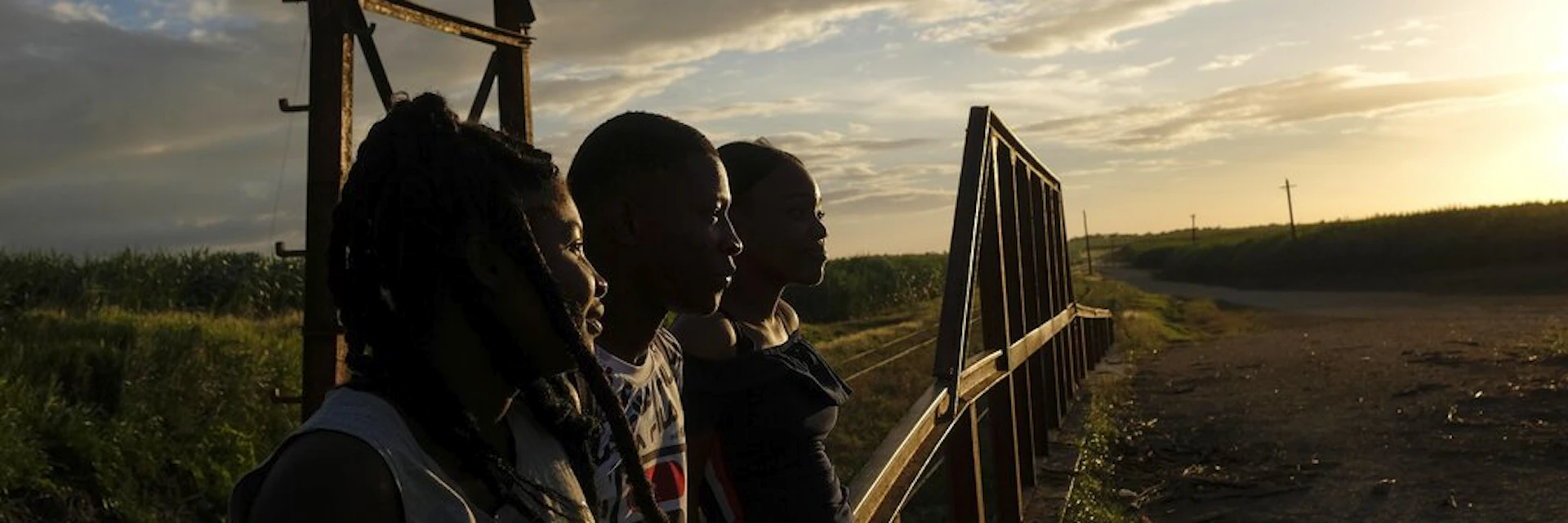
Interviews with Dominican citizens show many support the bill, saying shared borders require understanding neighbors. Even the teachers union's public relations secretary now backs the initiative.
“We share borders. We have to know what our neighbors are saying.”
Creole already taught in many places
At least 15 Dominican schools and institutions teach Creole, including the national university which has offered courses for over a decade. The government and Western Union also provide Creole training.
Bill unlikely to pass, but debate continues
Though the proposal faces defeat in a floor vote, it has sparked a national conversation about education policy. Public opinion may be slowly shifting in favor of Creole instruction.
The key point
A practical education proposal has exposed deep historical tensions between the Dominican Republic and Haiti, though growing support suggests attitudes may be shifting.