From The Conversation · Robert Boatright · · 2m
Eight rules for reading campaign finance news
Campaign money reports are confusing, but a few simple rules can help you understand what the numbers really mean.
In brief
Campaign money reports are confusing, but a few simple rules can help you understand what the numbers really mean. Money follows winning candidates more than it creates them, and where donations come from matters as much as how much is raised. Originally reported by The Conversation.
Campaign finance is confusing
News about campaign money floods every election season, but it's hard to know what's normal, what donors mean, or how money impacts races.
Outside groups now dominate spending
In competitive races, super PACs and dark money groups now spend more than the candidates themselves, a dramatic shift from the early 2000s.
Every campaign costs more

Congressional election spending nearly doubled from $5.1 billion in 2014 to $9.5 billion in 2024, even adjusted for inflation.
Money follows likely winners
The candidate with the most money wins over 90% of the time, but that's because smart donors avoid giving to candidates doomed to lose.
“Who would want to give money to a candidate who is doomed to lose?”
Needing money is a bad sign
In competitive races, candidates who raise the most are usually the ones facing the toughest challenges and most likely to lose.
Local donors signal real support

Money from your own community matters more than out-of-state cash because those donors can actually vote for you and campaign for you.
Small donations show unique appeal
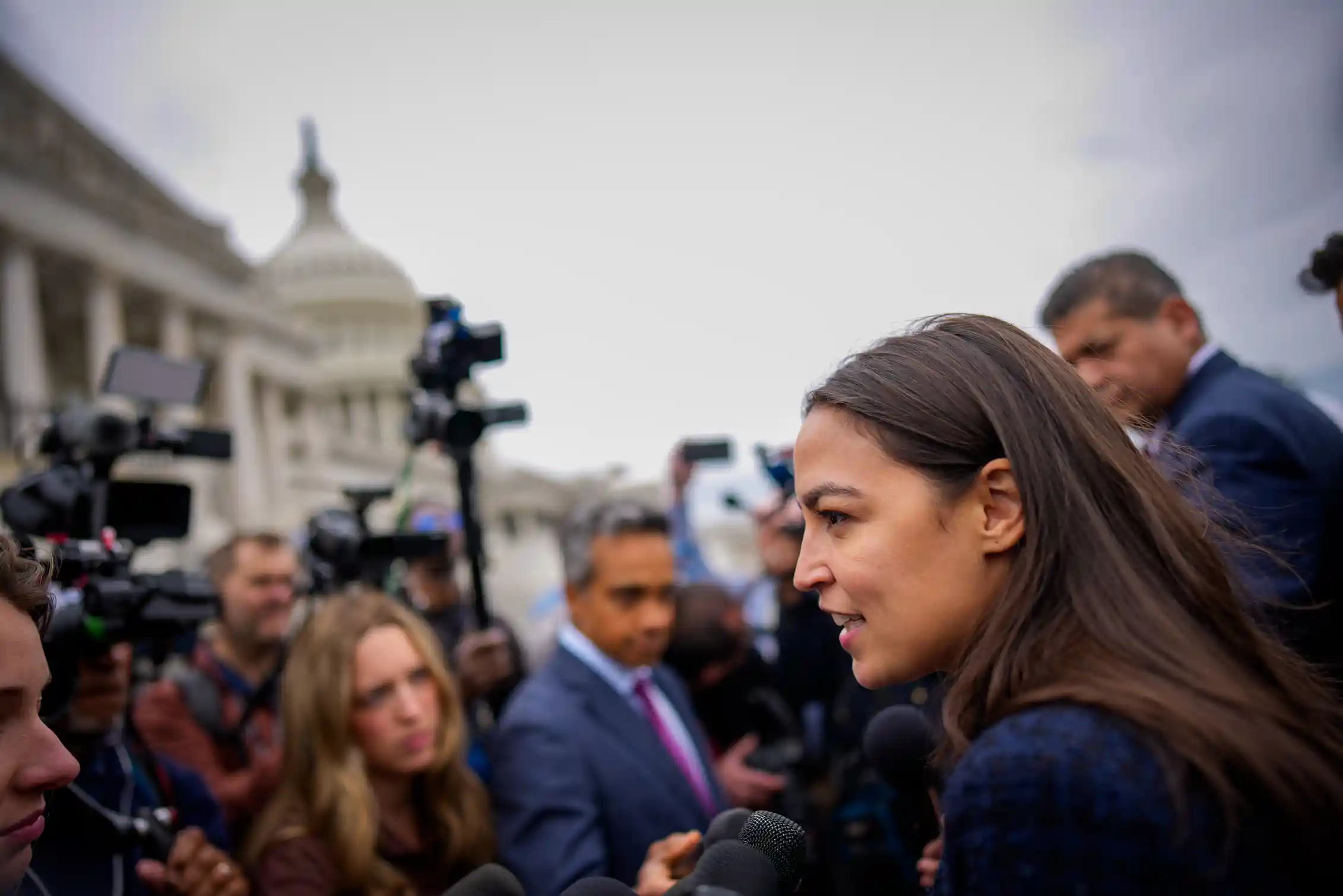
Candidates like Alexandria Ocasio-Cortez who attract many small donations tend to be more ideologically extreme and stand out nationally.
Super PACs spend fast but blind
Super PACs can dump millions quickly into a race, but they can't coordinate with candidates or spend money as efficiently as campaigns can.
Super PACs learn without talking
Even though super PACs can't speak directly with candidates, they can figure out how to help by studying campaign websites and advertising.
Party money beats super PAC money

Political parties have bigger staffs, better voter data, and can now coordinate unlimited spending with candidates after a recent Supreme Court ruling.
Donor jobs mean almost nothing
Just because University of California employees donate doesn't mean the university supports a candidate. Employer data is mostly meaningless.
What to remember
Money follows winning candidates more than it creates them, and where donations come from matters as much as how much is raised.




