From The Conversation · Akshaya Jha · · 3m
EPA's power plant rule repeal hides real costs
The Trump administration claims repealing emissions rules will save $310 billion, but ignores hundreds of billions in health and climate damage.
In brief
The Trump administration claims repealing emissions rules will save $310 billion, but ignores hundreds of billions in health and climate damage. Electricity bills might drop slightly, but the EPA's savings estimate excludes the massive health and climate costs of increased pollution. Originally reported by The…
Trump repeals power plant emissions rules
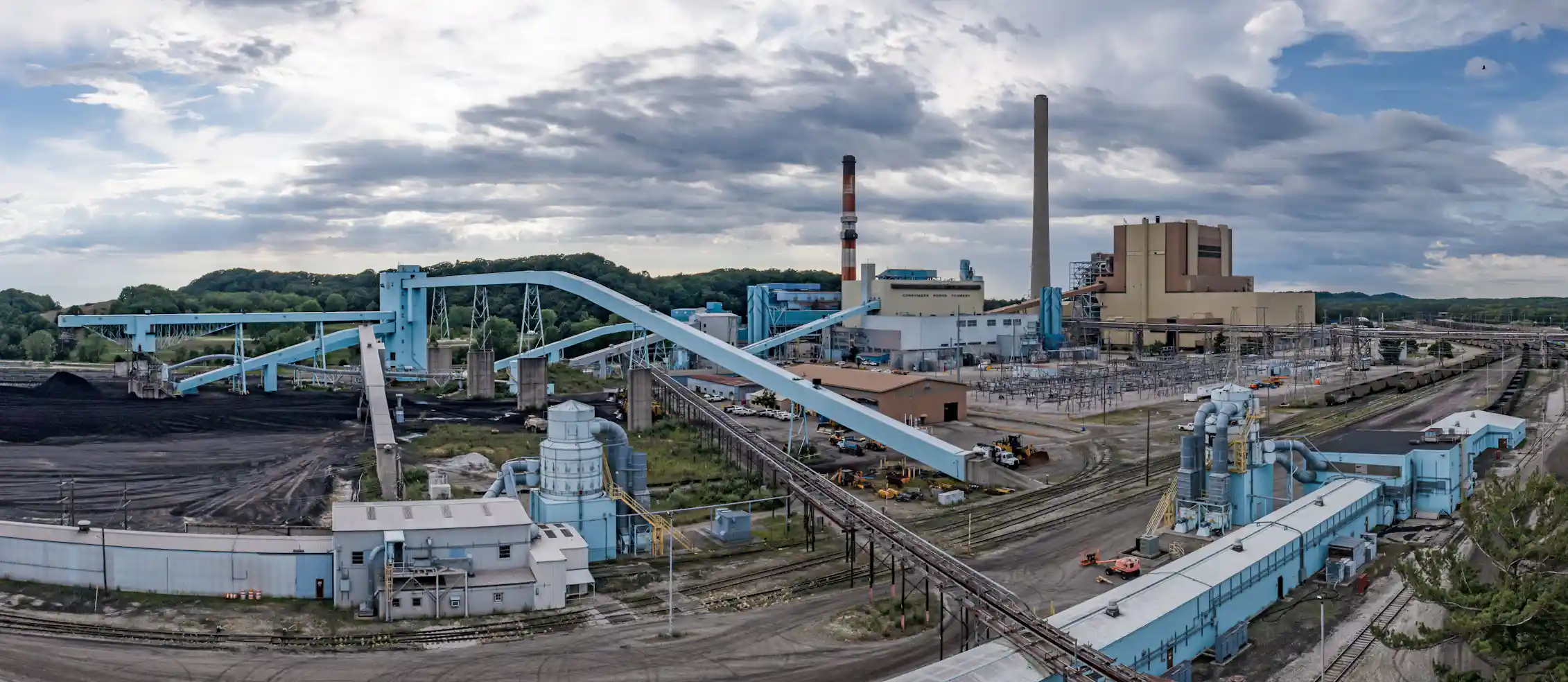
The EPA is eliminating federal limits on greenhouse gas emissions from coal and gas-fired power plants, claiming it will make electricity cheaper for Americans.
Carbon capture equipment also eliminated
The EPA also repealed standards for equipment that captures and stores carbon dioxide at coal plants and new gas turbines, removing a key tool for preventing emissions.
EPA argues climate regulation isn't authorized
The agency is trying to prevent future administrations from restoring the rules by claiming the Clean Air Act doesn't authorize it to regulate power plant emissions for climate purposes.
Rising electricity demand drives plant decisions
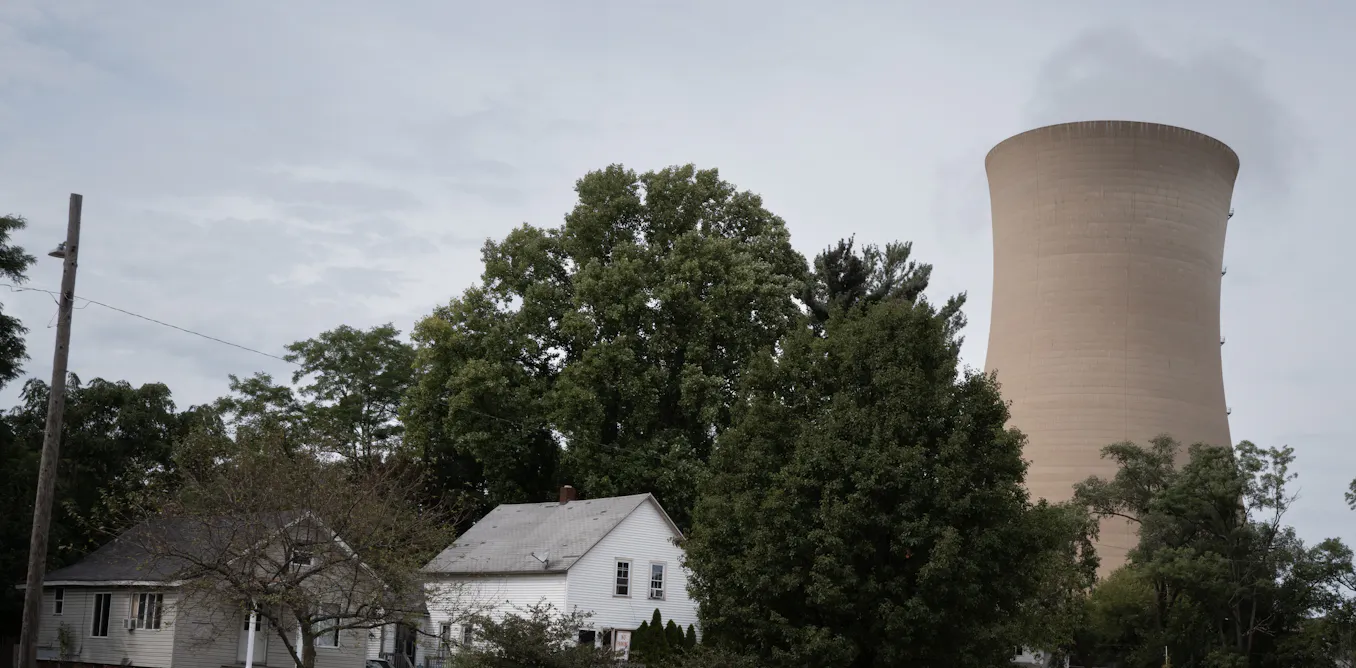
Data centers and electrification are increasing electricity demand, forcing power companies to decide whether to keep aging coal plants running or invest in new natural gas capacity.
Coal plants often cost more to operate
Keeping aging coal plants open can be more expensive than building and running new natural gas plants, especially when comparing older coal with new gas facilities.
Campbell coal plant forced to stay open
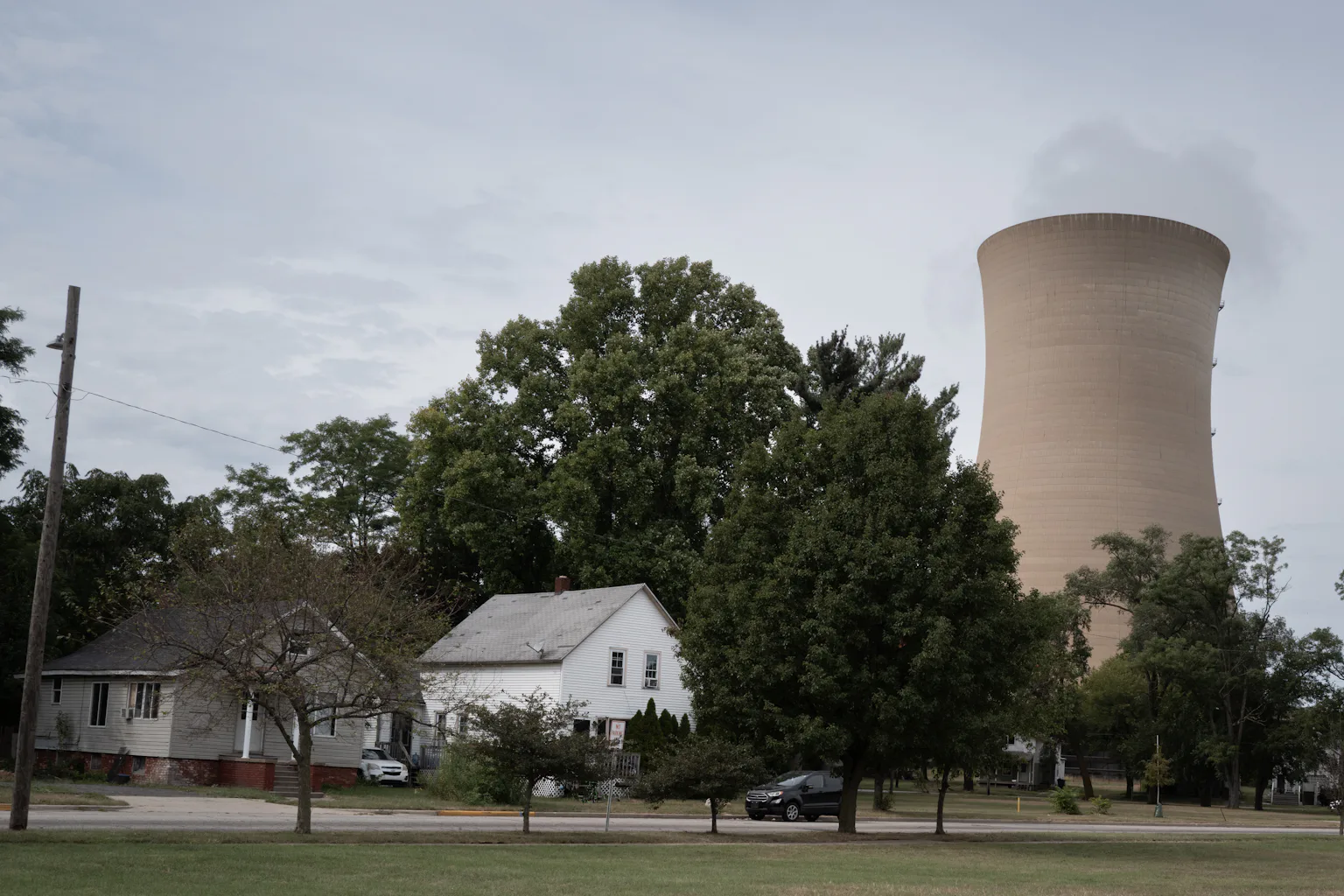
The Department of Energy ordered Consumers Energy to keep its J.H. Campbell coal plant in Michigan running past its planned May 2025 shutdown, citing grid reliability concerns.
Keeping plant open costs $259 million
From May 2025 to June 2026, operating the Campbell plant cost Consumers Energy $259 million more than it earned in electricity sales, a loss the company wants to pass to Midwest customers.
EPA claims $310 billion in savings
The EPA estimates the repeal will save $310 billion from 2026 to 2047 by avoiding carbon capture costs and keeping more coal plants open, projecting electricity prices 5.8% lower by 2035.
Health costs from pollution ignored

Burning fossil fuels releases pollutants that increase risks of heart and lung disease and premature death, but the EPA's savings estimate excludes these health costs entirely.
EPA's 2025 analysis found $130 billion in health costs
In its 2025 analysis of the proposed repeal, the EPA estimated that additional illnesses and premature deaths from pollution would cost $130 billion from 2026 to 2047, but excluded this from its headline savings figure.
Climate damage also excluded from estimate
Greenhouse gas emissions contribute to climate change, causing heat-related illness, damaged homes and lost earnings, but the EPA's $310 billion savings estimate assigns no dollar value to these climate costs.
Repeal discourages carbon capture innovation
The rule changes could discourage U.S. investment in carbon capture technology, weakening global efforts to cut emissions cost-effectively and reducing innovation at facilities like Alabama's National Carbon Capture Center.
Full costs far exceed electricity savings
To understand the repeal's true impact, electricity bill savings must be weighed against health costs, climate damage and lost innovation benefits that the EPA's estimate ignores.
Here's the gist
Electricity bills might drop slightly, but the EPA's savings estimate excludes the massive health and climate costs of increased pollution.