From The Conversation · Jonas Gamso · · 1m 30s
Extreme weather risks push big companies away from poorer nations
Multinational firms avoid climate-vulnerable countries, hurting both investors and developing nations.
In brief
Multinational firms avoid climate-vulnerable countries, hurting both investors and developing nations. Climate risk reduces foreign investment in vulnerable countries by 12% per point on vulnerability scale, hurting economic growth and corporate opportunities. Originally reported by The Conversation.
Climate risk reshapes corporate investment
Multinational companies increasingly avoid climate-vulnerable countries when deciding where to build factories or open mines.
Extreme weather impacts business decisions
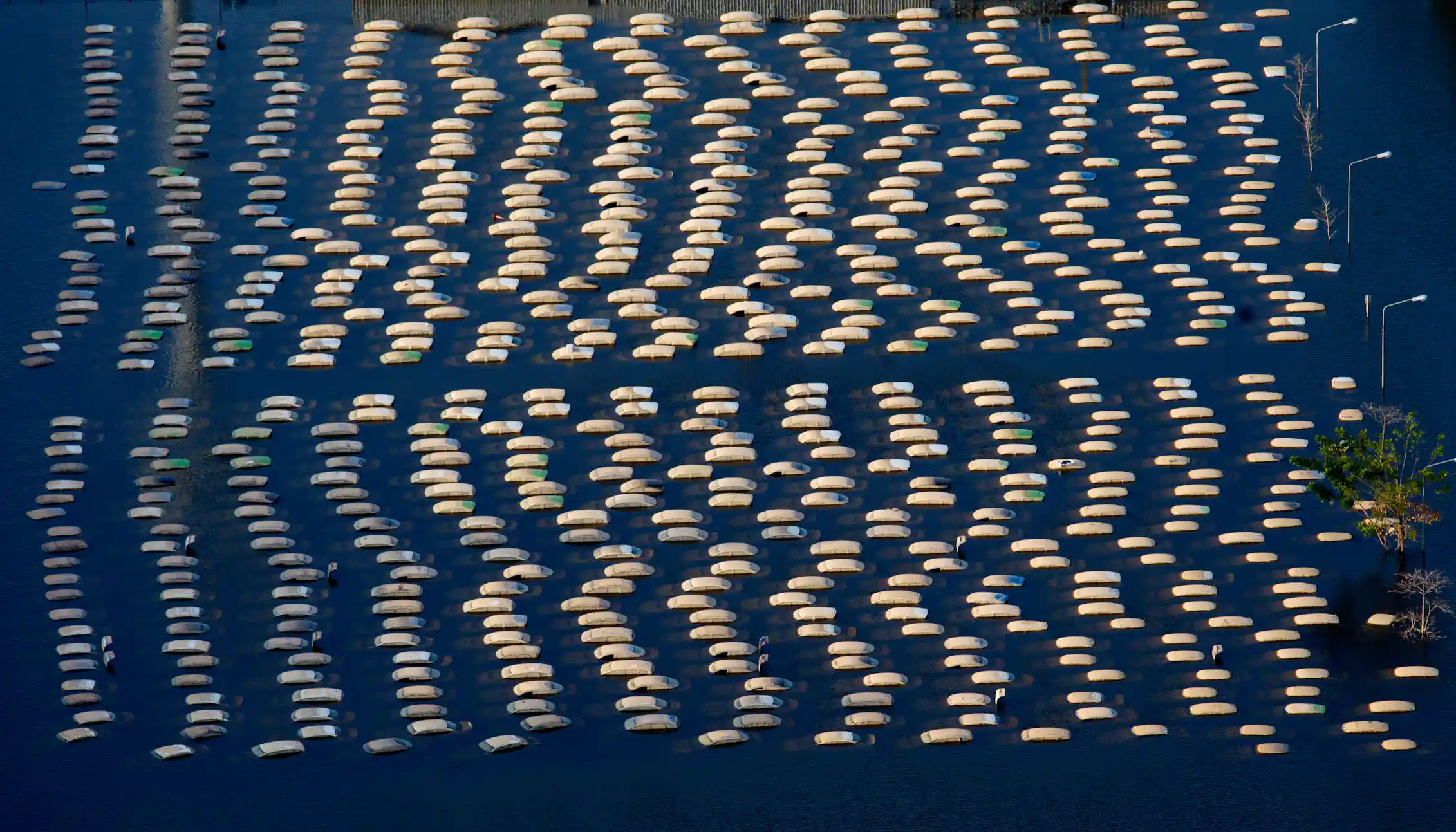
Flooding in Thailand 2011 forced Toyota, Nissan and Honda to suspend production as factories flooded.
Climate vulnerability reduces investment
Countries with higher climate vulnerability see 12% less foreign direct investment per 1-point rise on 100-point scale.
Water stress delays major projects
Google halted a $200 million data center in Chile after environmental court revoked construction permit over water use.
Investment avoidance costs companies
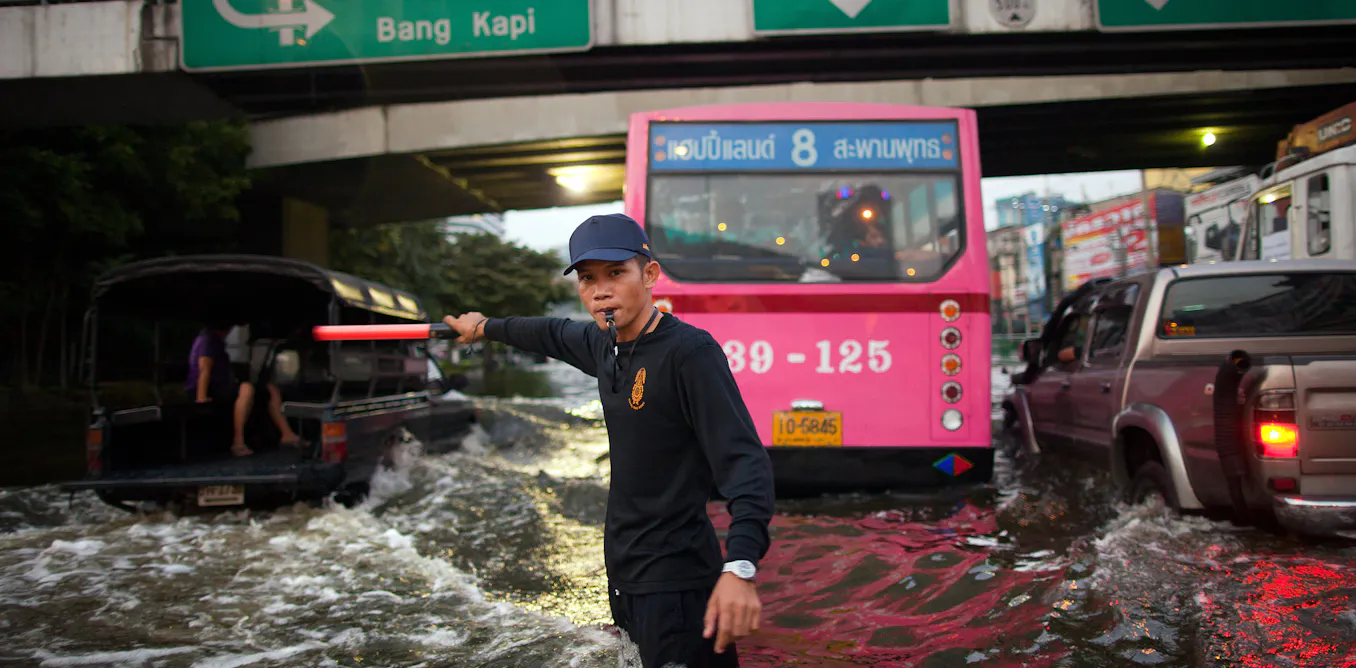
Firms with major flood losses saw 5% average decline in shareholder value within one year.
Developing countries lose opportunities
Less foreign investment means fewer jobs and reduced access to new technologies in vulnerable nations.
Resource-rich countries face climate risks
Democratic Republic of Congo supplies most global cobalt while Indonesia dominates nickel production.
Climate adaptation helps investment
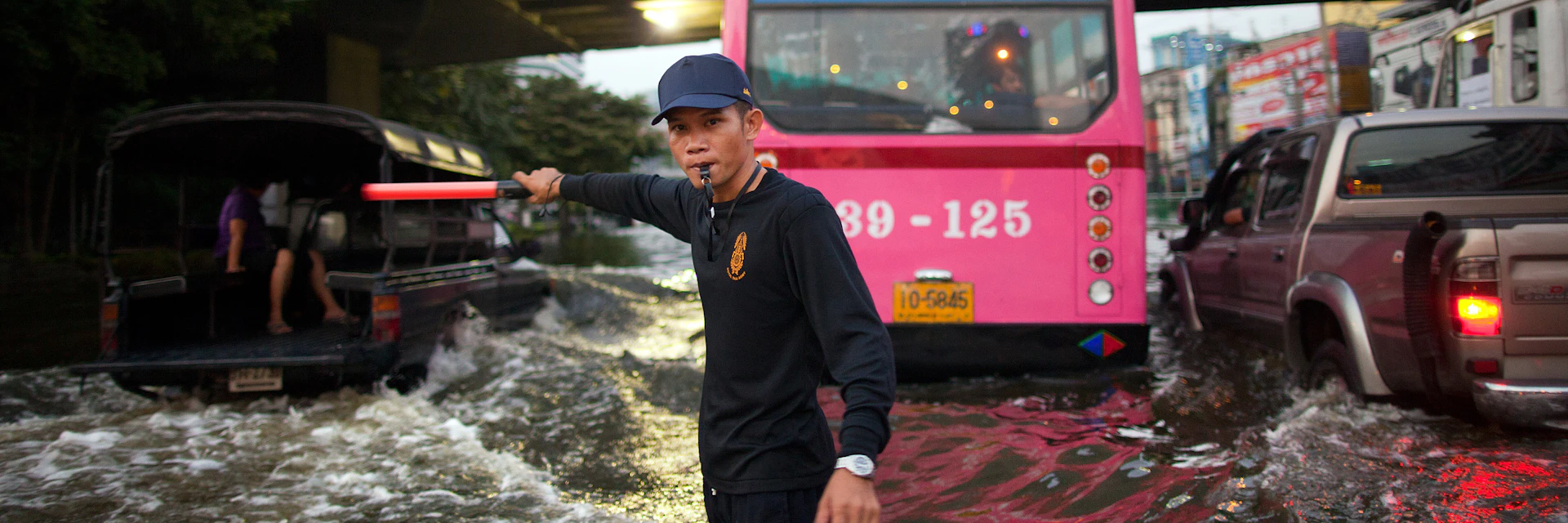
Countries receiving more climate adaptation aid saw increased foreign direct investment from companies.
Investment solutions for climate risk
Climate risk insurance and better data help companies invest in vulnerable countries without avoiding them.
The bottom line
Climate risk reduces foreign investment in vulnerable countries by 12% per point on vulnerability scale, hurting economic growth and corporate opportunities.