From The Conversation · Jeff Price · · 1m 20s
FlyDubai cockpit incident reveals security gaps
A FlyDubai pilot allegedly stabbed captain on Sept 30, 2026 flight, showing cockpit security works against outside threats but not insider risks.
In brief
A FlyDubai pilot allegedly stabbed captain on Sept 30, 2026 flight, showing cockpit security works against outside threats but not insider risks. FlyDubai's diverted flight incident highlights cockpit security measures prevent outside threats but not insider attacks. Originally reported by The Conversation.
FlyDubai incident
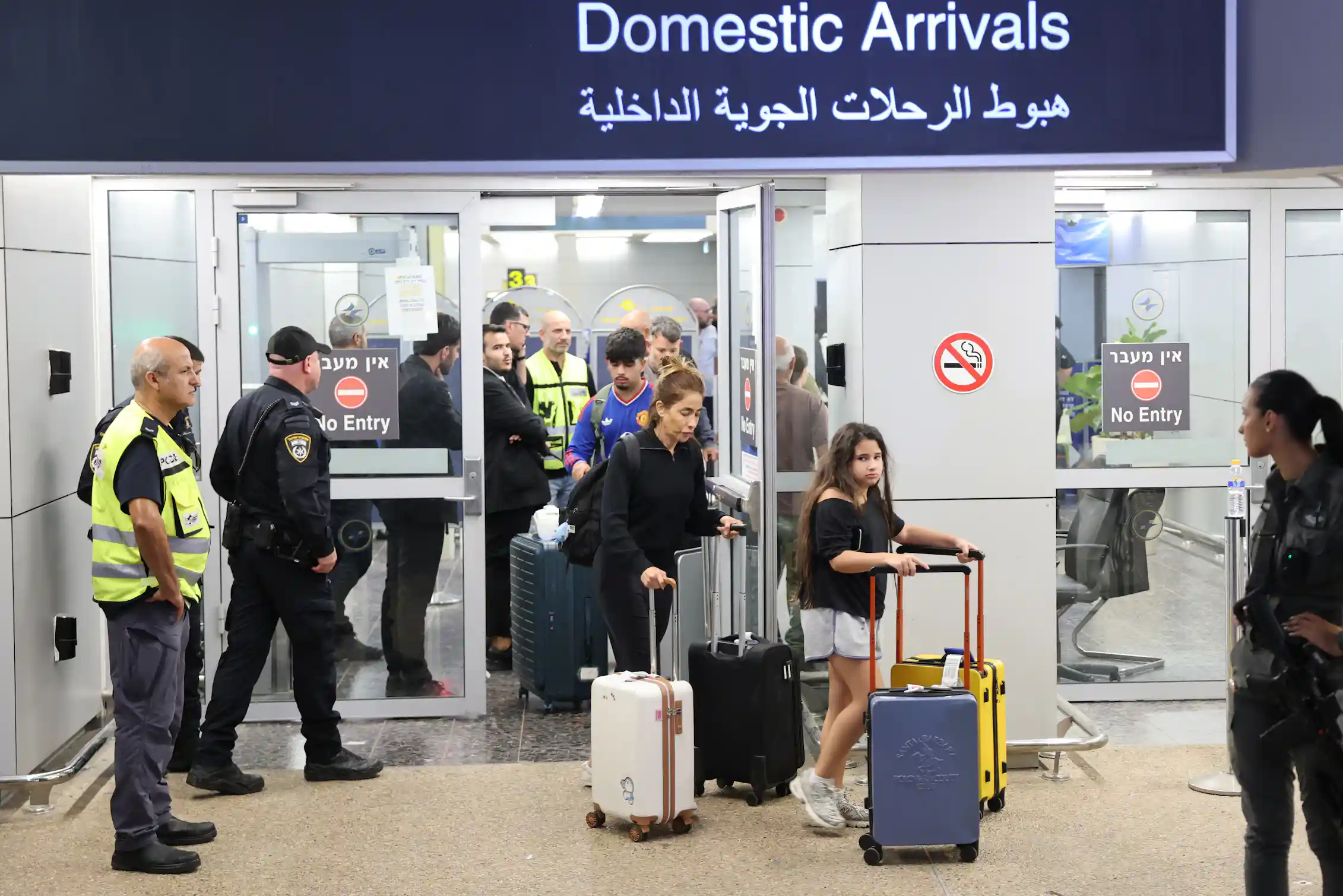
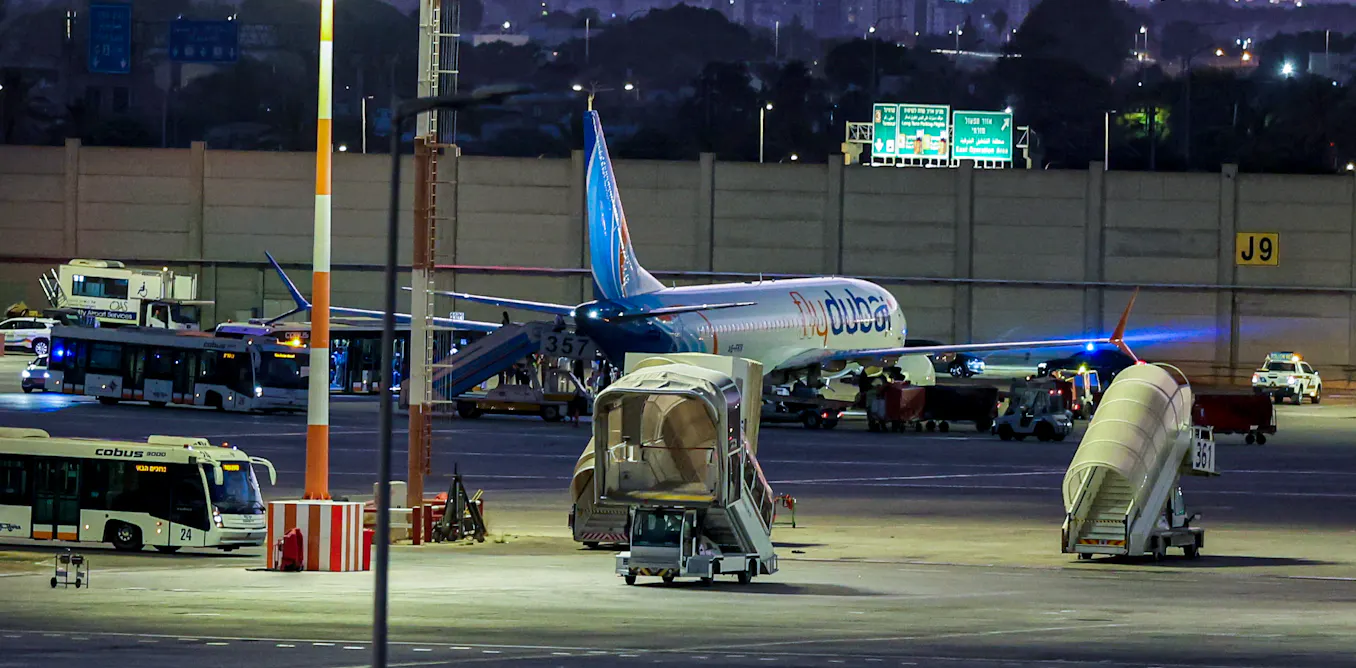
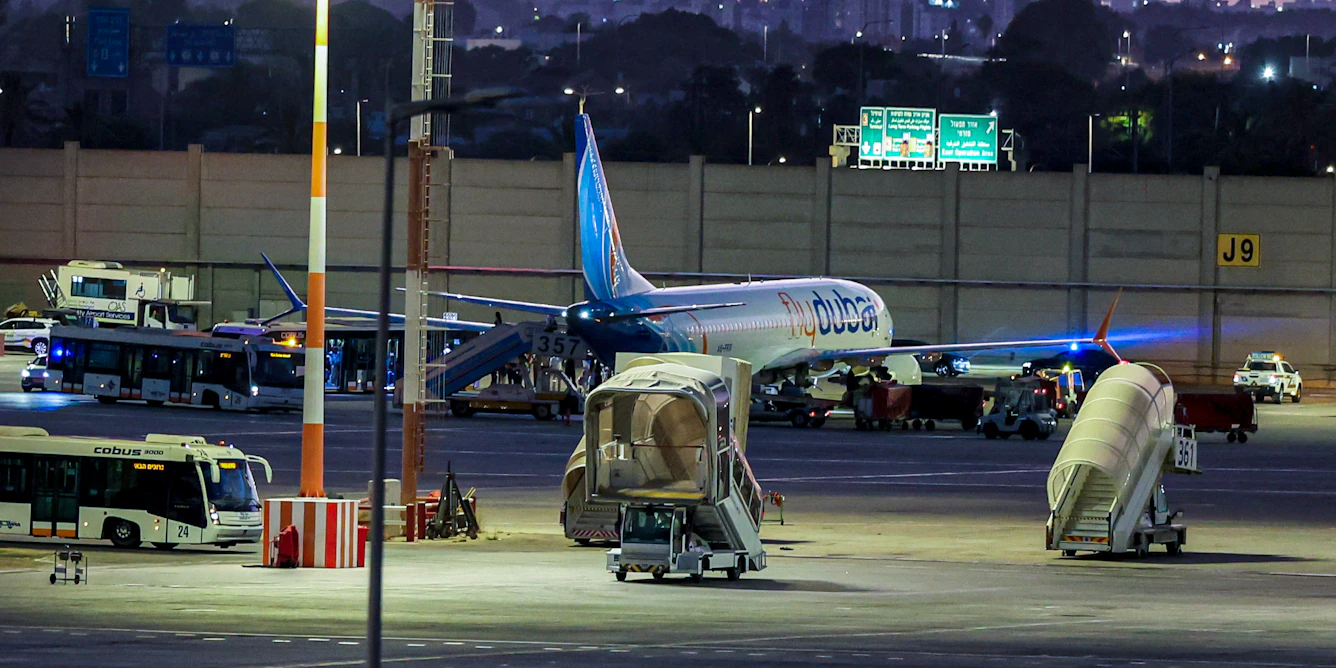
A FlyDubai plane landed at Ben Gurion Airport in Tel Aviv, Israel, carrying passengers from flight FZ1073 diverted to Saudi Arabia on Sept 30, 2026.
Cockpit security incident
Passengers reportedly subdued a pilot who intended to crash the plane with mainly Israeli passengers.
Post-9/11 security changes
The 2001 attacks saw terrorists storm cockpits of four jets, crashing three into targets with the fourth being brought down after passenger fights.
Preemployment vetting
U.S. pilots and flight attendants undergo criminal history checks and security threat assessments to identify potential threats.
Crew access controls
U.S. flight crew access airports through designated crew member access points with random TSA physical screenings.
Federal Flight Deck Officer program
Pilots can use firearms under the Federal Flight Deck Officer program to defend against criminal violence and air piracy.
Hardened cockpit doors
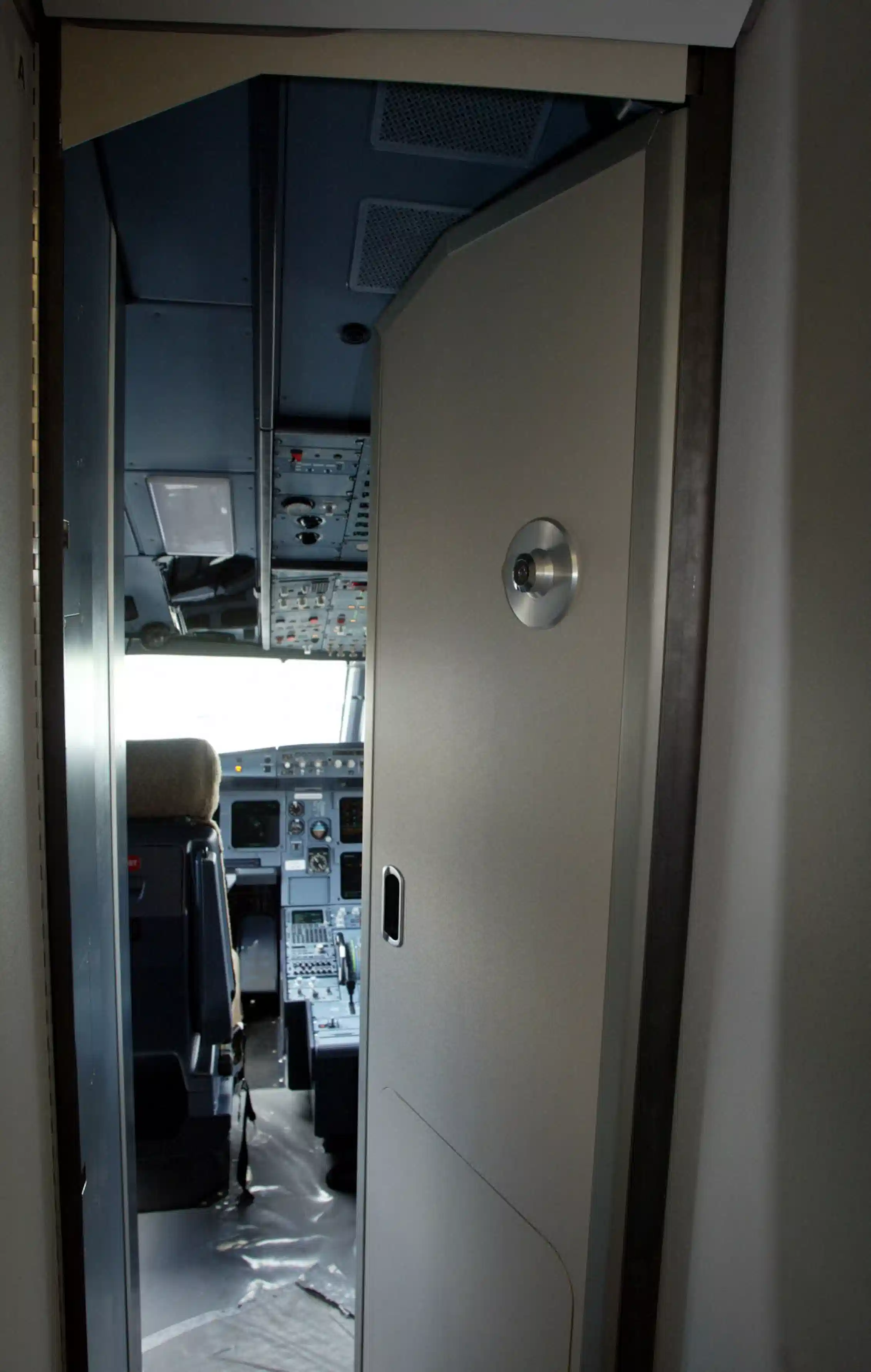
Flight deck doors were hardened post-9/11 to prevent outside access, but passengers could release locks in the FlyDubai incident.
Security limitations
Most security measures prevent outside threats but not insider attacks, as pilots can still take over planes without external help.
Here's the gist
FlyDubai's diverted flight incident highlights cockpit security measures prevent outside threats but not insider attacks.