From The Conversation · Meagen Rosenthal · · 1m 10s
Food is Medicine: Health Through Diet
Health experts explain how food prescriptions can manage chronic illness and reduce healthcare costs.
In brief
Health experts explain how food prescriptions can manage chronic illness and reduce healthcare costs. Food is medicine programs use healthy food prescriptions to improve chronic illness outcomes and save $4.3 trillion annually. Originally reported by The Conversation.
Quick answers
- What is food is medicine?
- Food is medicine prescribes healthy foods to help patients manage chronic illnesses.
- What is the key takeaway from Food is Medicine: Health Through Diet?
- Food is medicine programs use healthy food prescriptions to improve chronic illness outcomes and save $4.3 trillion annually.
What is food is medicine?
Food is medicine prescribes healthy foods to help patients manage chronic illnesses.
Scientific support for food is medicine
Mountains of scientific evidence support both the negative and positive effects of eating habits on health.
Food is medicine programs
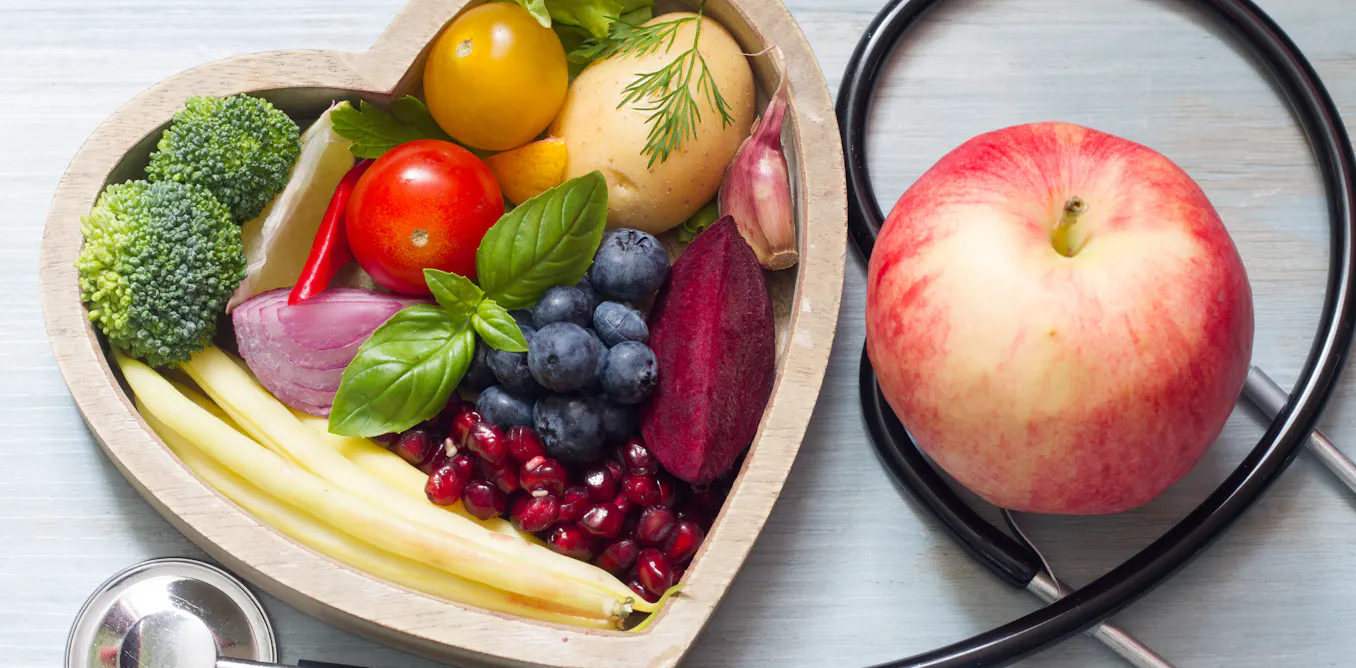
Programs deliver curated food boxes, grocery vouchers, or medically tailored meals to improve patient health.
Food insecurity impact
In 2024, 47 million Americans, including 7.3 million children, lived in food-insecure households.
Historical roots
Dr. Jack Geiger, a civil rights activist and Nobel Peace Prize winner, began food is medicine programs in the 1960s.
U.S. government support
In January 2026, the second Trump administration launched a campaign encouraging Americans to 'Eat Real Food'.
Healthcare cost savings
Food is medicine programs could save the U.S. healthcare system $4.3 trillion annually.
Global expansion
The Food Is Medicine Global Alliance aims to integrate food is medicine programs worldwide by 2030.
The big picture
Food is medicine programs use healthy food prescriptions to improve chronic illness outcomes and save $4.3 trillion annually.