
From The Conversation · Sofia Aman · · 1m
Fungus from Chernobyl Could Break Down Nerve Agents
Chernobyl fungus may create protective gear that destroys pesticides and nerve agents.
In brief
Chernobyl fungus may create protective gear that destroys pesticides and nerve agents. Scientists developed melanin-based materials that break down nerve agents and pesticides using sunlight and zirconium clusters. Originally reported by The Conversation.
Chernobyl Fungus Survives Radiation
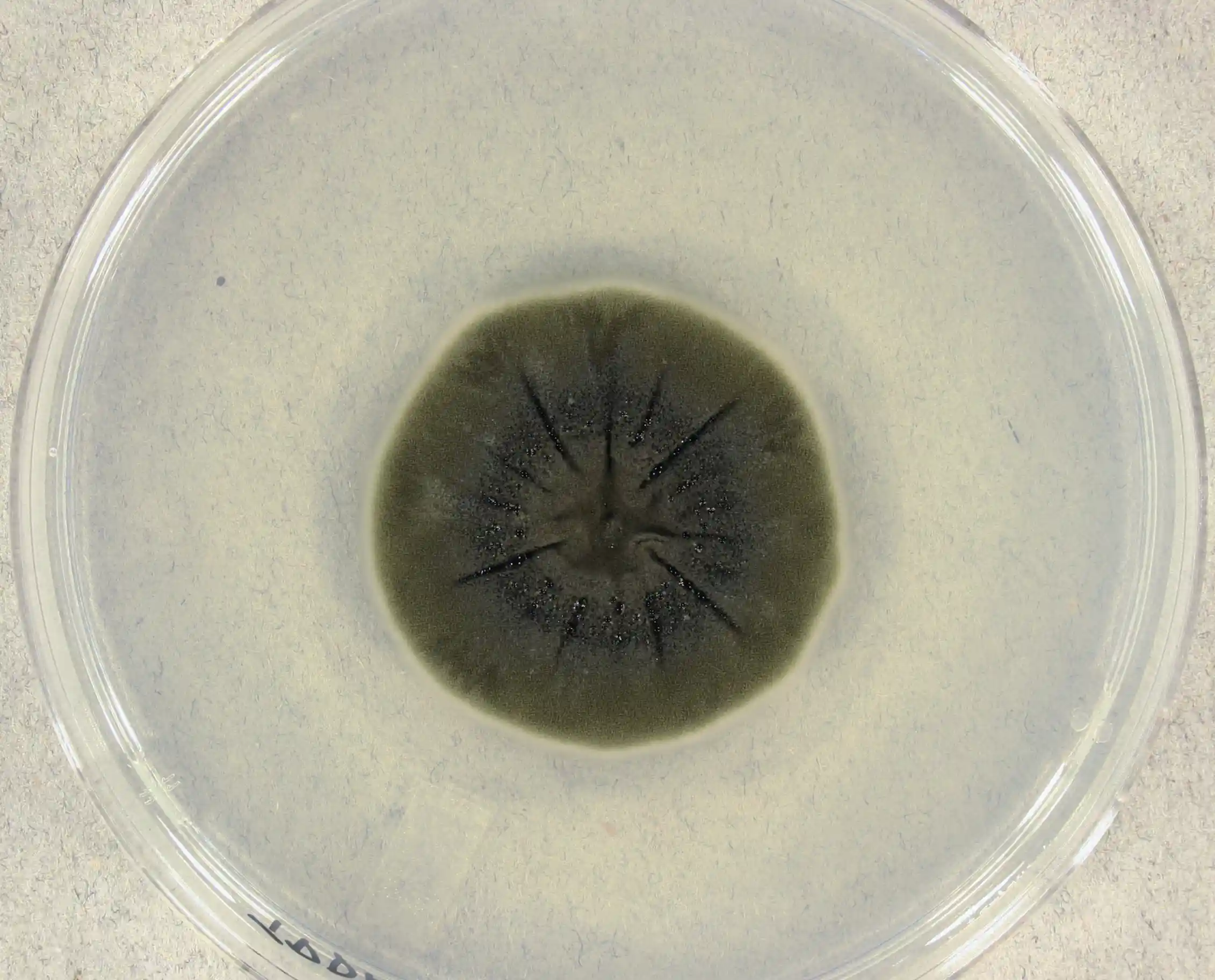
Black molds grow undeterred by radiation in Chernobyl's exclusion zone for 40 years.
“Deep inside the Chernobyl exclusion zone, where radiation levels have remained unsafe for people for the past 40 years, black molds climb the walls of the damaged former nuclear plant in Ukraine”
Fungus Also Grows in Space
Cladosporium sphaerospermum thrives on the International Space Station 250 miles above Earth.
“The same type of species, Cladosporium sphaerospermum, has grown on the International Space Station, about 2.5e+2 miles (400 kilometers) above the surface of the Earth”
Melanin's Dual Role
Fungal melanin blocks radiation and acts as a sponge for small molecules.
“Melanin comprises a family of pigments. The melanin in human skin, called eumelanin, is built from nitrogen-containing building blocks. The melanin in many fungi, called allomelanin, is built from a different, nitrogen-free building block”
Allomelanin's Built-in Pores
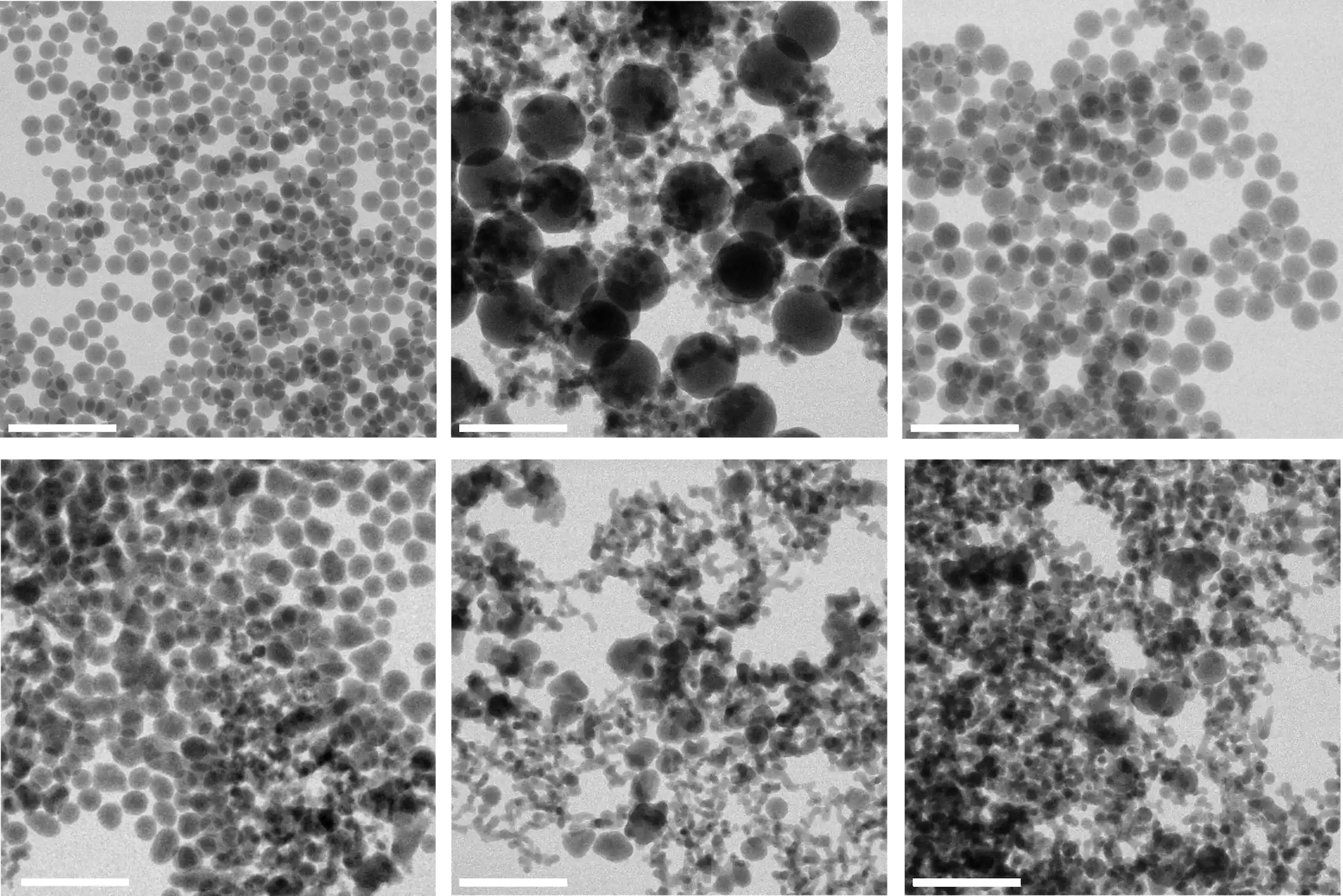
Lab-made allomelanin has microscopic pores that trap toxic molecules.
“My colleagues showed in 2021 that lab-made allomelanin is full of built-in pores, each less than a billionth of a meter wide”
Breaking Down Toxins
Zirconium clusters in allomelanin particles cut chemical bonds in nerve agents and pesticides.
“Similar zirconium clusters form the active core of metal-organic frameworks, which are among the most studied materials for degrading chemical weapons”
Sunlight Powers Cleanup

Melanin absorbs sunlight to heat particles and speed up toxin breakdown.
“Under a bright lamp for five minutes, the particles broke down about 10 times more of the stand-in chemical than they did in the dark”
Next Steps for Protection
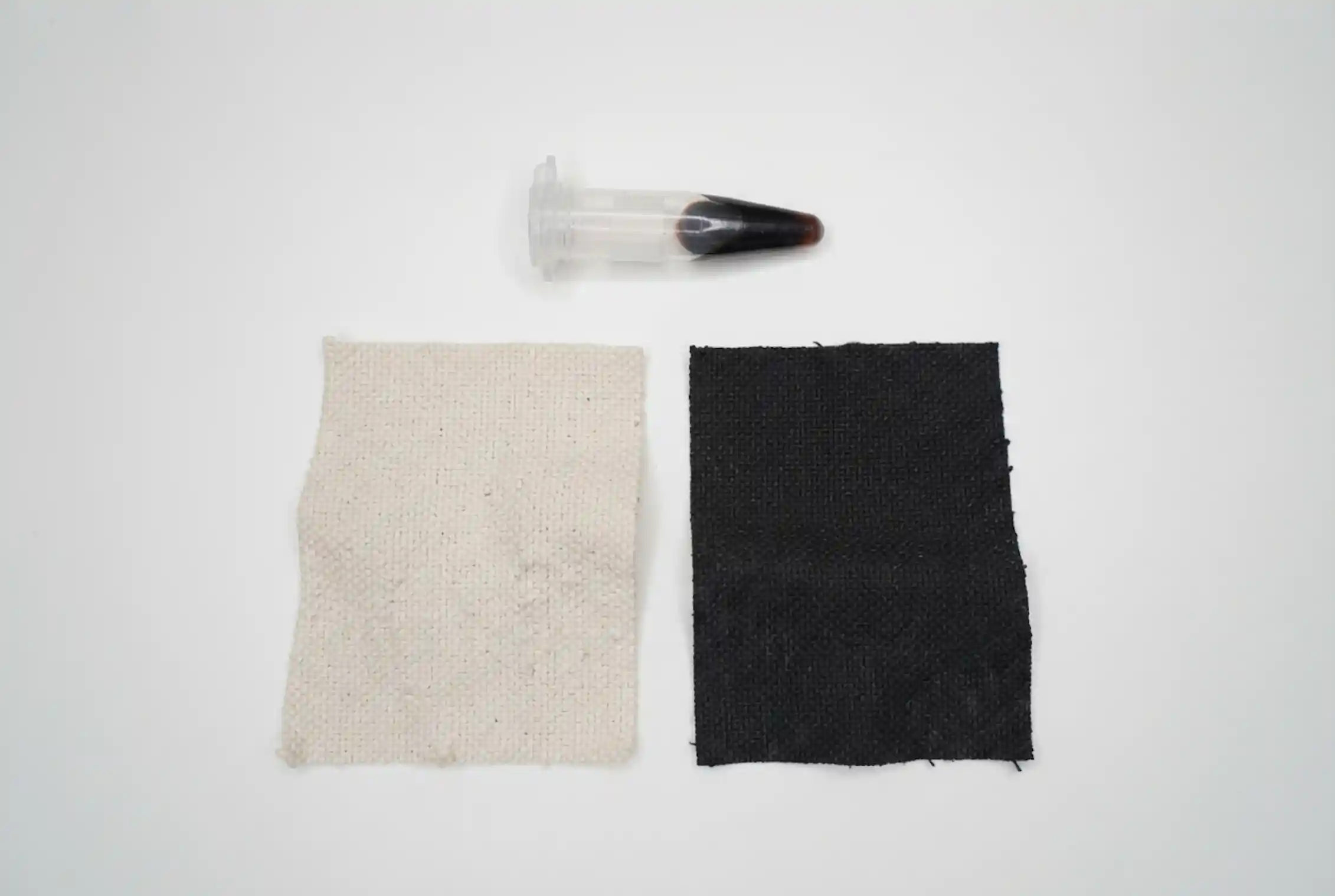
Researchers aim to test materials against real pesticides and weave them into fabrics.
“Our immediate next steps are to evaluate the material against the specific pesticides farmworkers encounter daily and to refine the particle coating process”
What to remember
Scientists developed melanin-based materials that break down nerve agents and pesticides using sunlight and zirconium clusters.
Read the TL;DR — this story on one card.