From The Conversation · Joëlle Rollo-Koster · · 1m 50s
Golden Roses: 1,000 Years of Papal Power Shift
Pope Leo XIV's golden rose gift to Lourdes marks a 1,000-year shift from political power to Marian devotion.
In brief
Pope Leo XIV's golden rose gift to Lourdes marks a 1,000-year shift from political power to Marian devotion. Pope Leo XIV presented a golden rose to Our Lady of Lourdes, ending the tradition of gifting roses to humans and redirecting papal authority toward Marian shrines. Originally reported by The Conversation.
Pope John XXII's golden rose
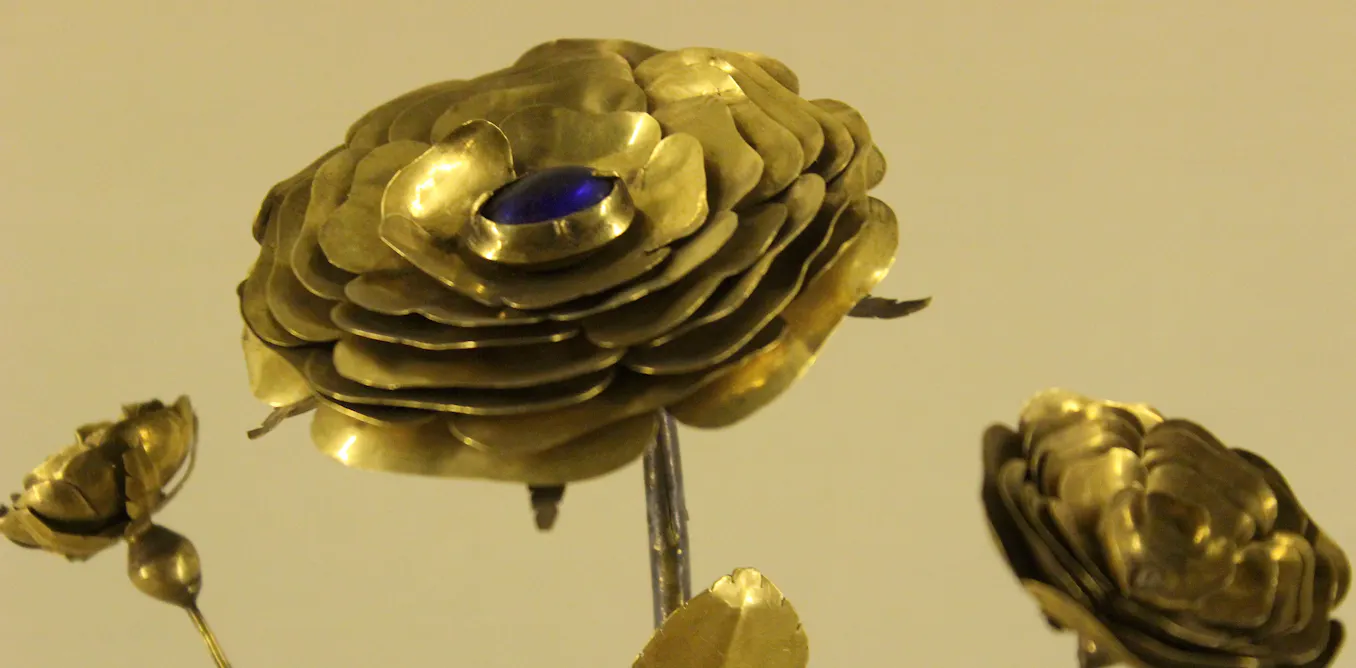
Pope John XXII presented the oldest surviving golden rose to a 14th-century count in 2026.
Golden rose tradition
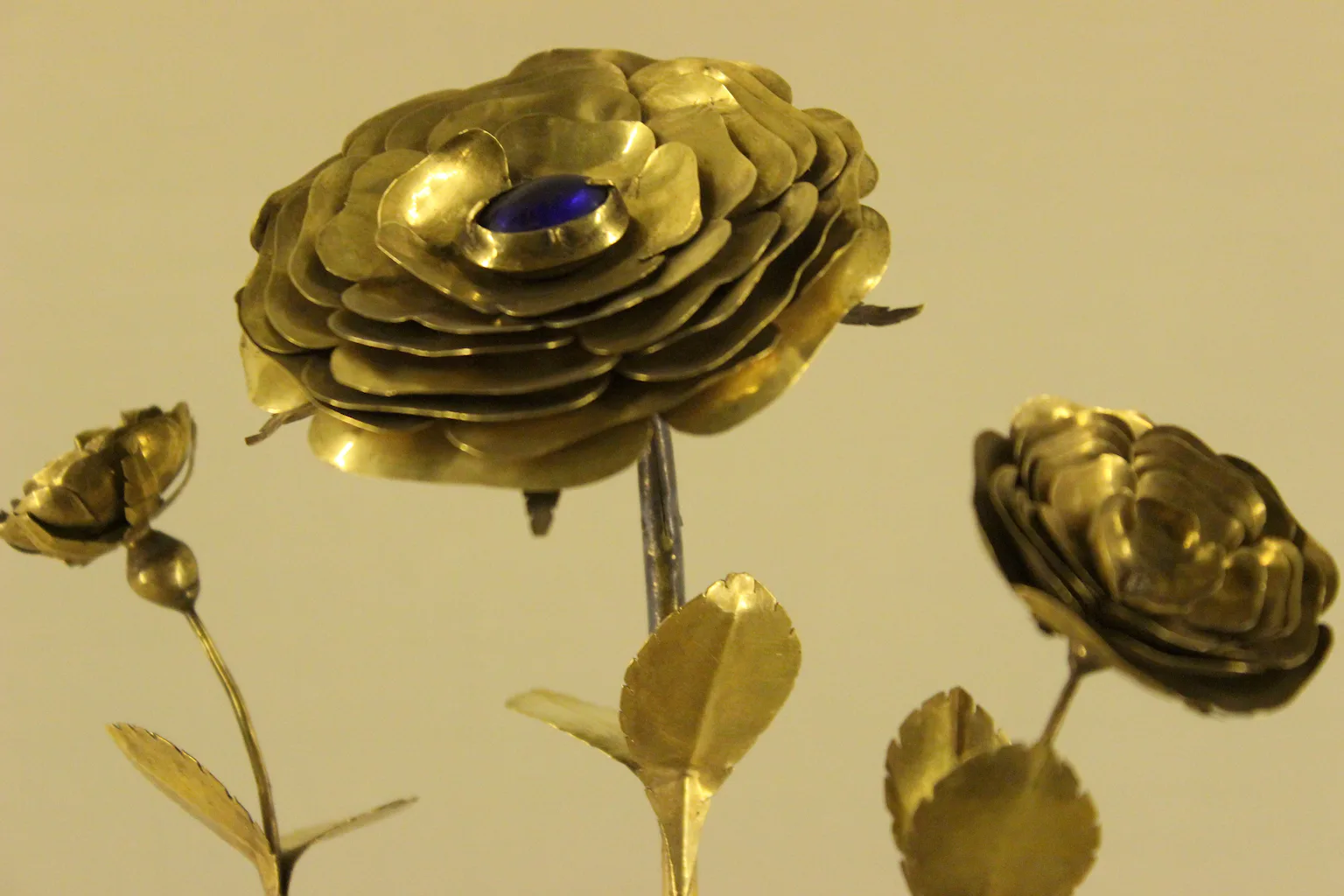
The golden rose is the only surviving medieval papal ceremonial object with lasting purpose.
Pope Leo XIV's Lourdes gift
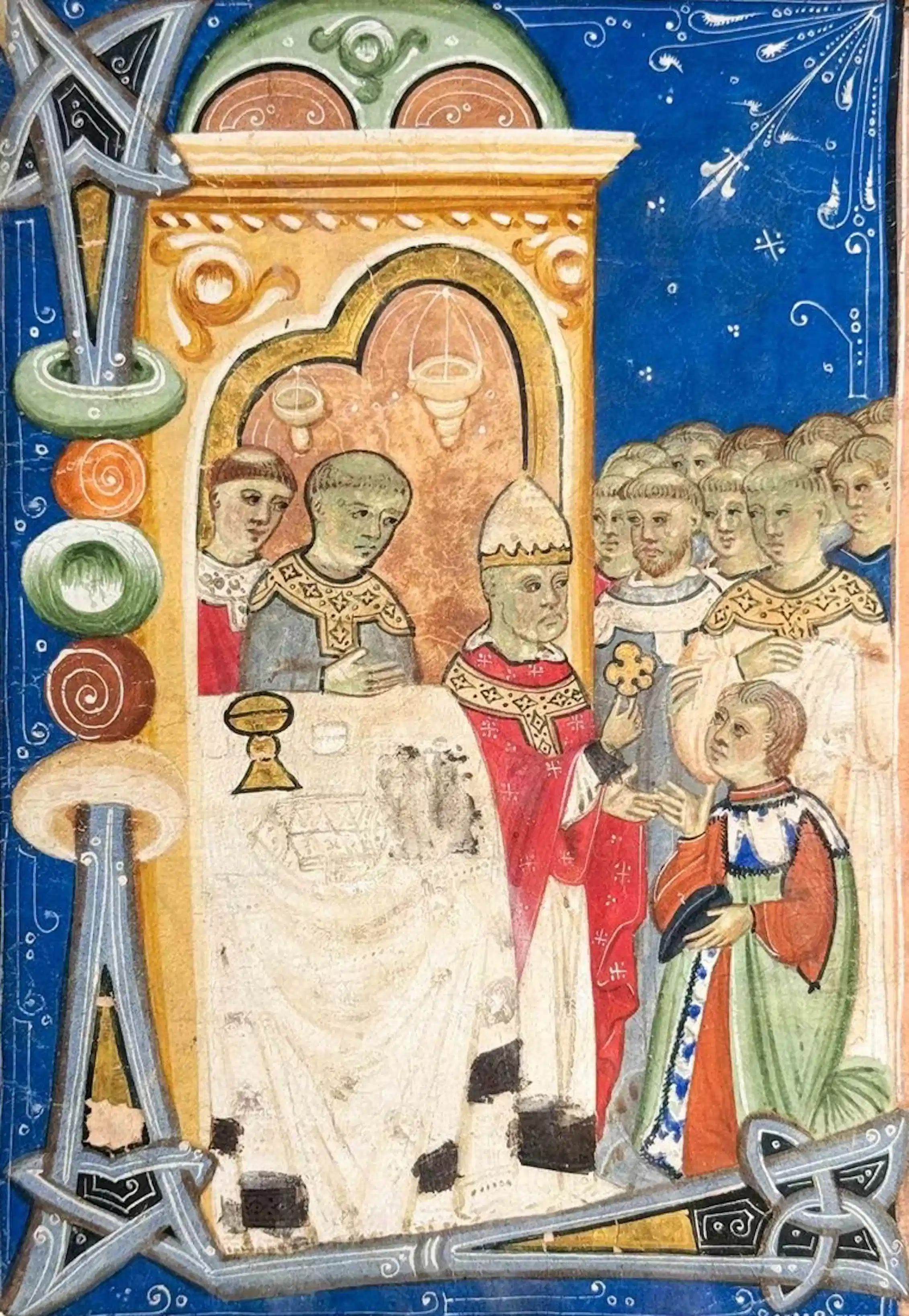
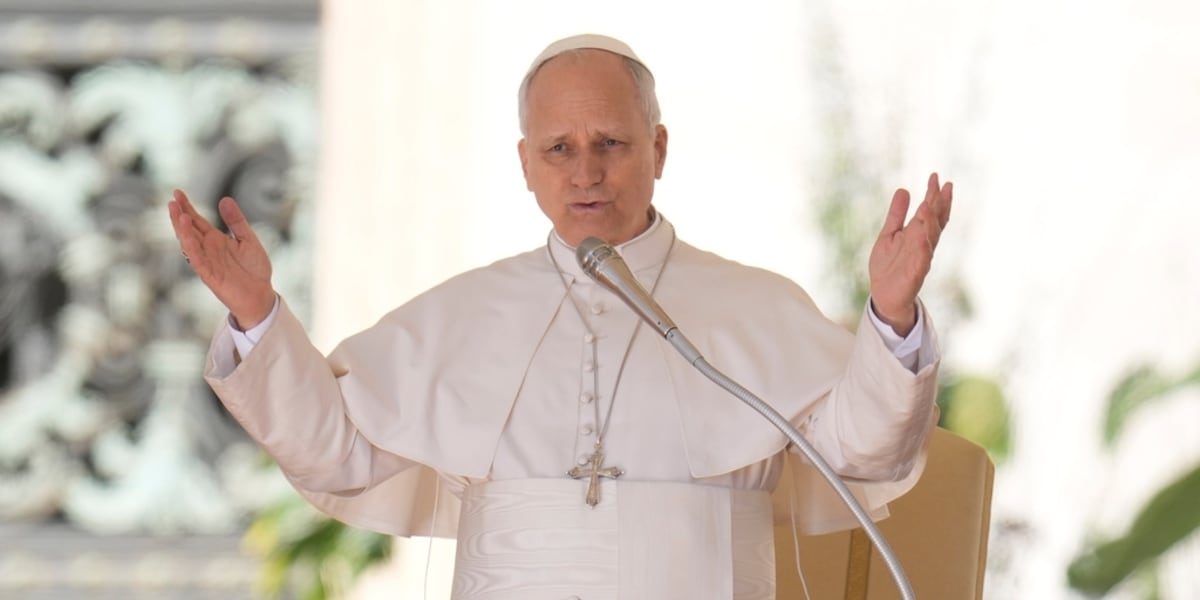
On Sept. 26, 2026, Pope Leo XIV presented a golden rose to Our Lady of Lourdes during his four-day France trip.
Medieval rose origins
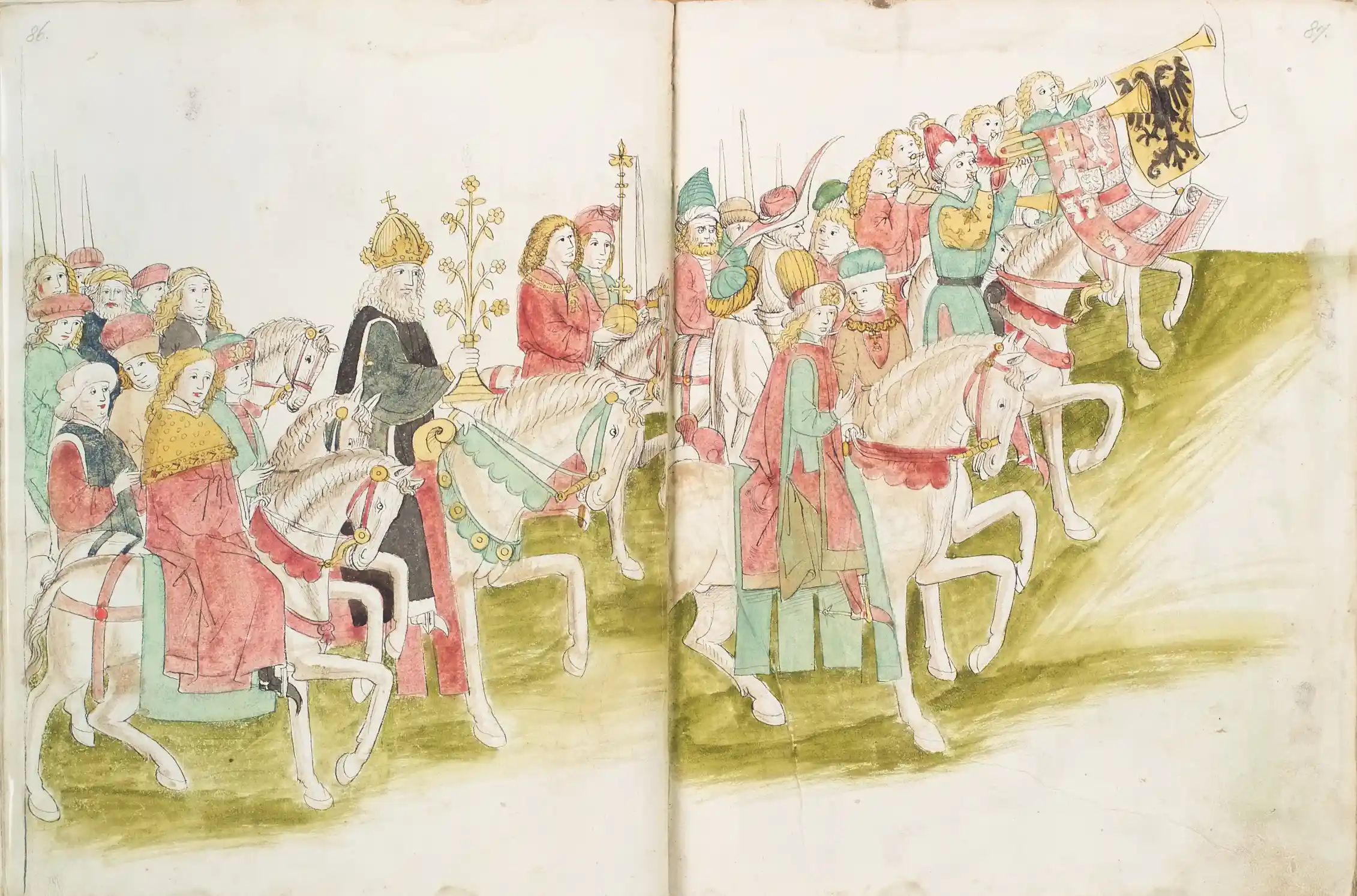
The golden rose first appeared during Pope Leo IX's papacy in 1049 as a feudal pledge symbol.
Early recipients
The first documented recipient was Fulk of Anjou in 1096 for his crusade participation.
Laetare Sunday tradition
Pope offered roses annually on Laetare Sunday, the fourth Sunday of Lent, to the prefect of Rome.
Diplomatic tool
The rose was a public acknowledgment of recipients' loyalty to the church, often warriors defending Christian lands.
14th century shift
During the Avignon papacy, the rose became a negotiating tool as popes resided away from Rome.
Women as recipients
From the 16th century, roses were gifted to powerful women like Catherine de' Medici during religious conflicts.
19th century shift
By 1893, no man received a rose; only women and shrines were honored.
Last human recipient
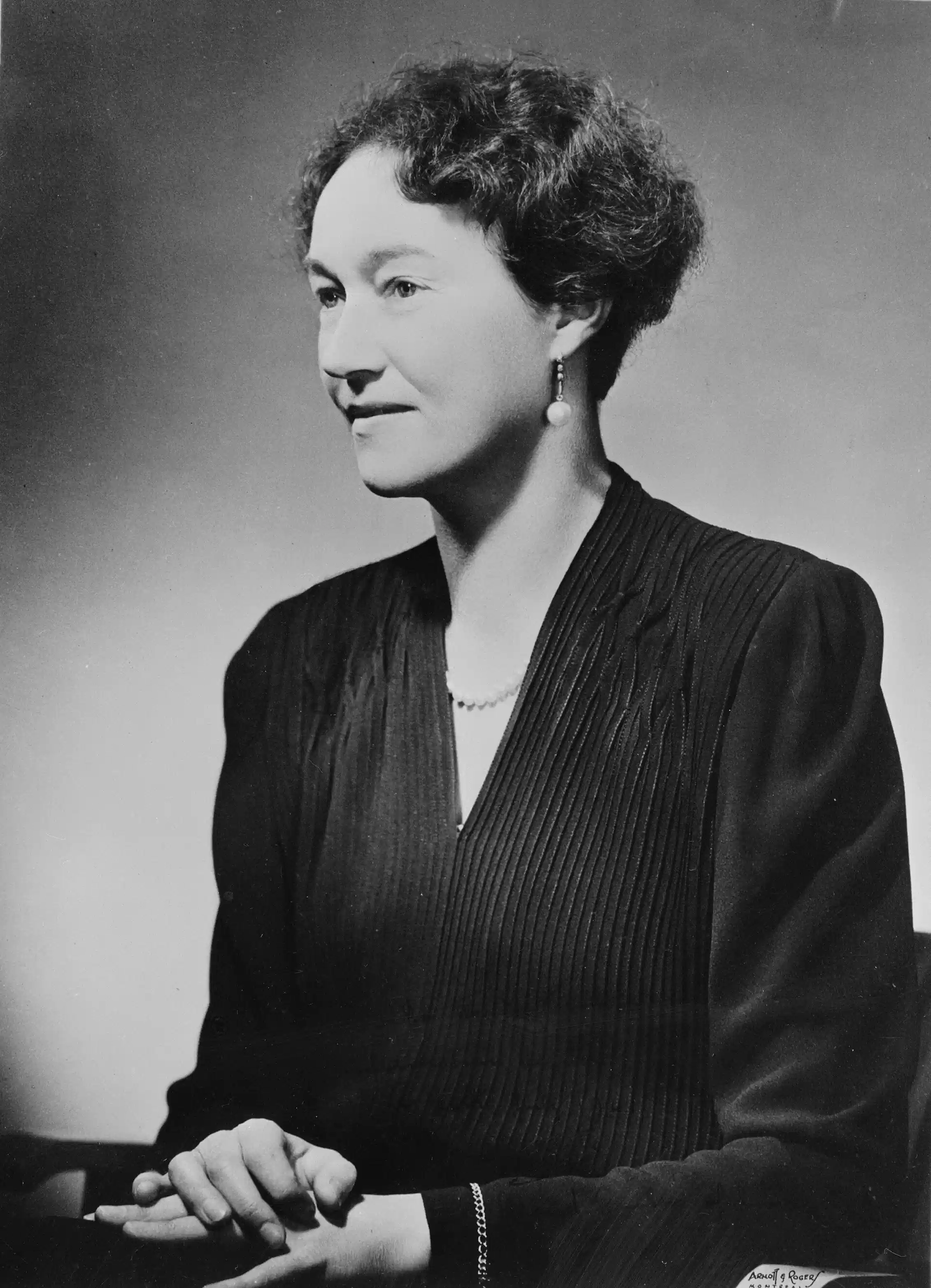
Charlotte, grand duchess of Luxembourg, received a rose in 1956 for her piety during World War II.
Modern shift
Pope Leo XIV now presents roses to Marian shrines, ending human recipients.
The essence
Pope Leo XIV presented a golden rose to Our Lady of Lourdes, ending the tradition of gifting roses to humans and redirecting papal authority toward Marian shrines.