From The Conversation · Ira Goldstein · · 1m 20s
Hazelwood Tests Displacement-Free Development
Pittsburgh’s Hazelwood neighborhood shows development can happen without displacing residents.
In brief
Pittsburgh’s Hazelwood neighborhood shows development can happen without displacing residents. Pittsburgh’s Hazelwood neighborhood retained its population and housing stability despite large-scale redevelopment, with median home value still affordable for low-income households. Originally reported by The Conversation.
Hazelwood’s Population Shift
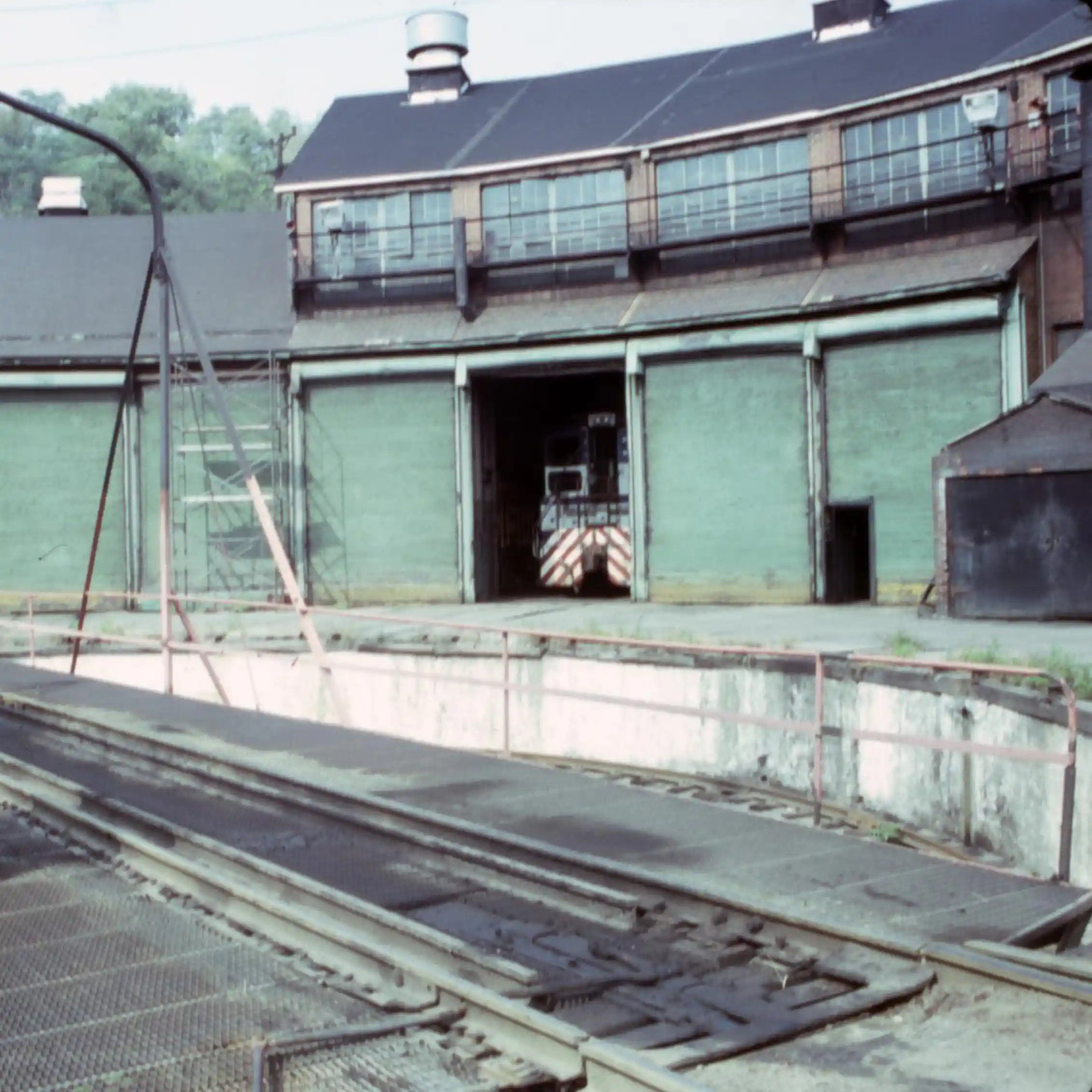
Pittsburgh’s Hazelwood neighborhood lost 920 residents since 2010 despite growing investment nearby.
Hazelwood Green Development
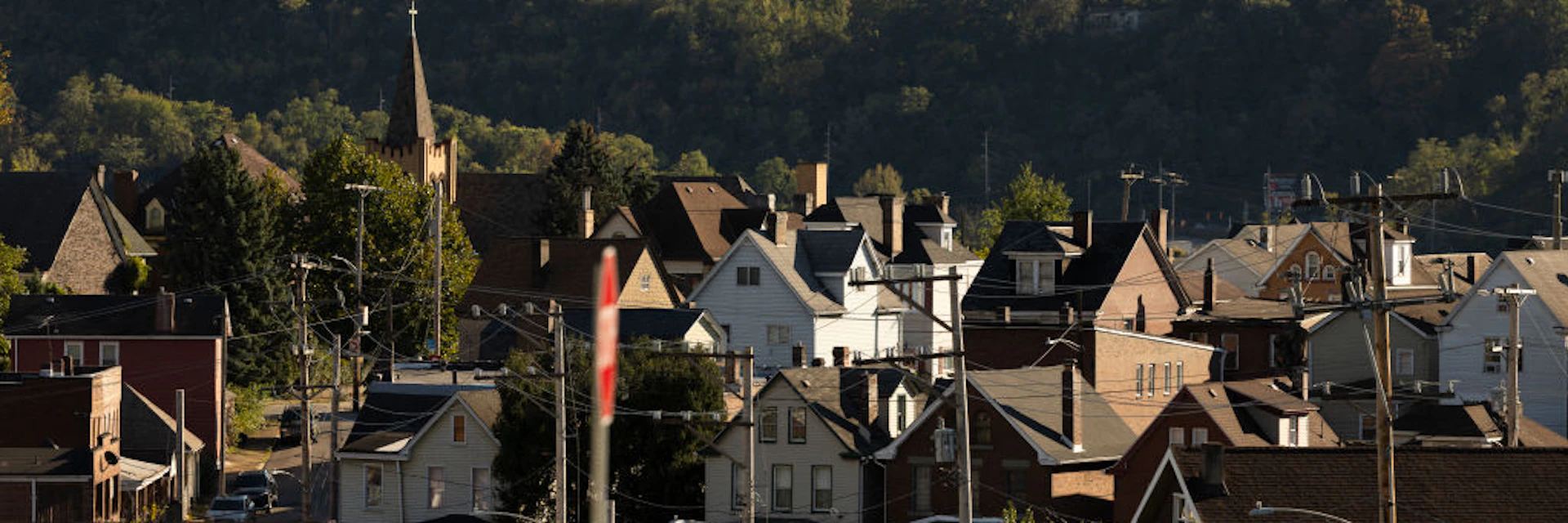
The 178-acre Hazelwood Green riverfront development, formerly LTV Steel plant site, now hosts advanced technology firms.
Heinz Endowments’ Grants
Heinz Endowments allocated US$24 million across 120+ grants to repair homes, relocate tenants, and support community groups.
Hazelwood’s Stability Metrics
Hazelwood’s population held steady at 4,474 in 2022, with 90% of households staying in the same home as the previous year.
Housing Affordability
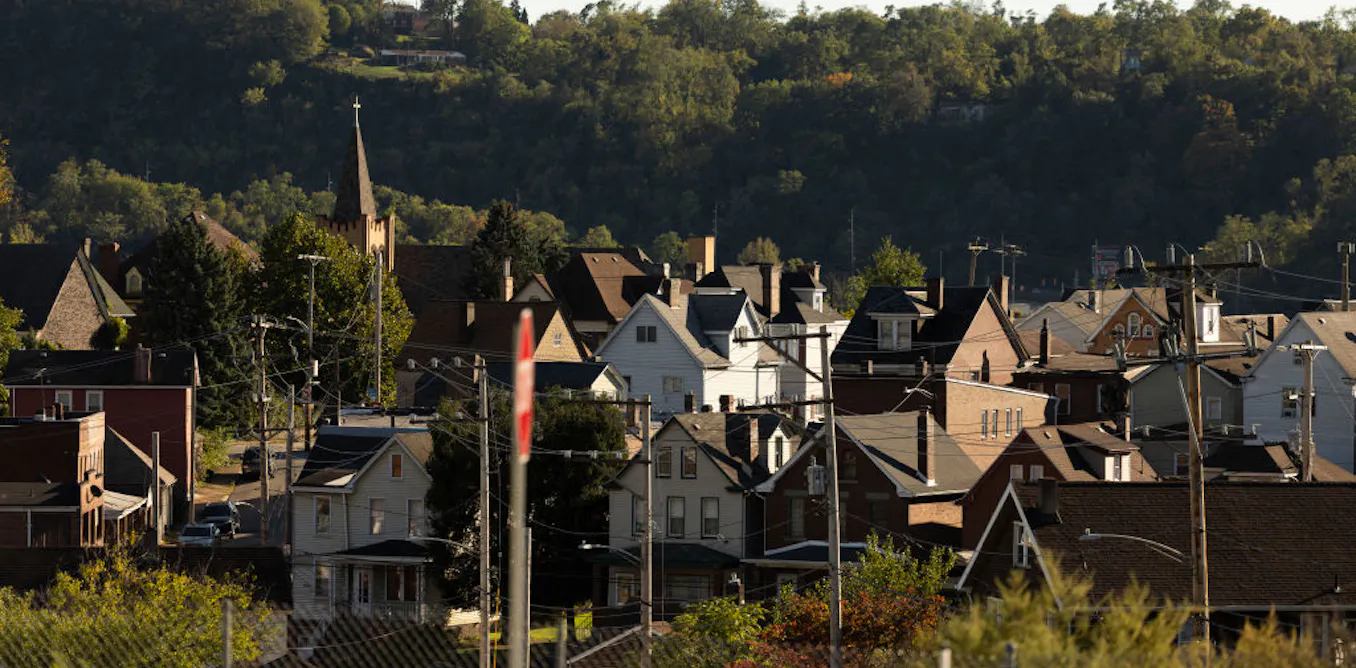
Hazelwood’s median home value of $121,358 remains affordable for households earning about $40,000 annually.
Displacement Risk Analysis
Hazelwood’s Displacement Risk Ratio showed home prices rising slower than incomes compared to other Pittsburgh neighborhoods.
Community Response
Nonprofits preserved 120+ homes and created affordable units through Low-Income Housing Tax Credit funding.
Ongoing Concerns
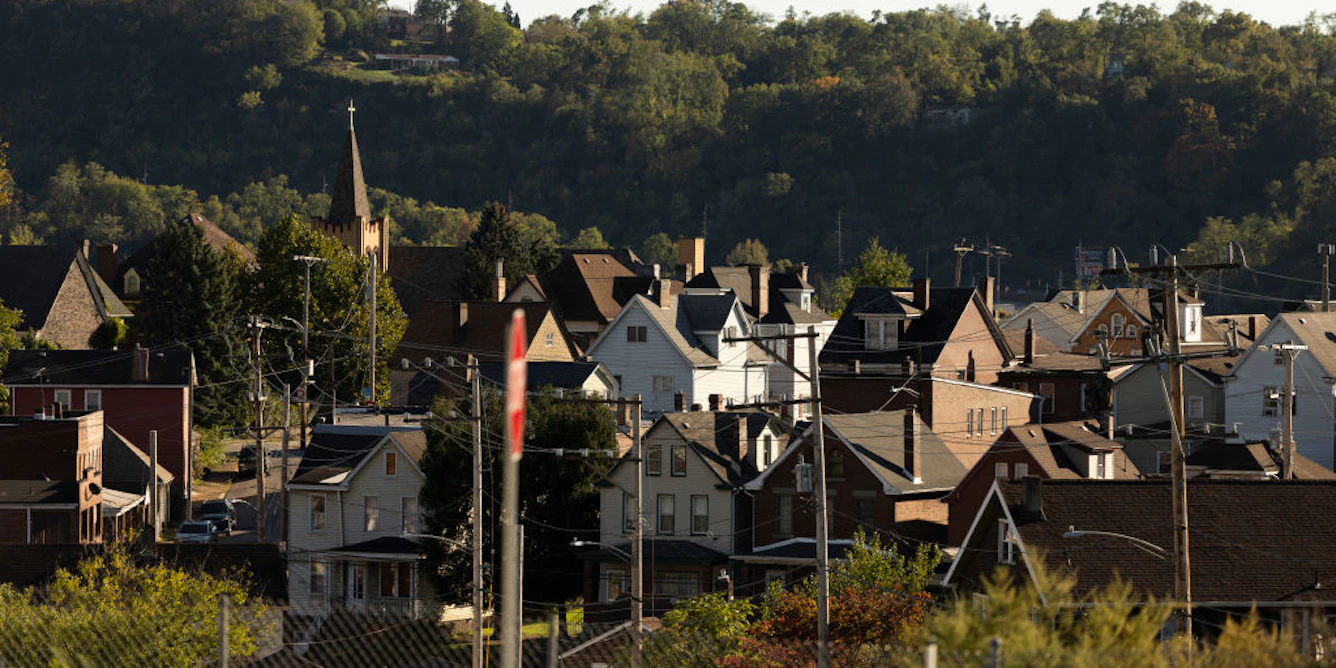
Residents fear displacement despite stable housing, citing persistent poverty and blighted housing as key stressors.
Future Outlook
Hazelwood’s development may prevent displacement for residents as new affordable units and stable housing trends emerge.
The main idea
Pittsburgh’s Hazelwood neighborhood retained its population and housing stability despite large-scale redevelopment, with median home value still affordable for low-income households.