From The Conversation · Phil Starks · · 1m 10s
Hearing Barnacles Reveals Animal Secrets
Listening to nature's background noise uncovers animal behavior.
In brief
Listening to nature's background noise uncovers animal behavior. Paying attention to background sounds helps naturalists notice animal activities without special equipment. Originally reported by The Conversation.
Hearing Barnacles
Listening to nature's background noise reveals animal secrets without special equipment.
“Clickety-clack. Clickety-clack. Pop.”
Olympic Peninsula Observation
During four days on Washington’s Olympic Peninsula, I saw an Olympic marmot, four bumblebee species, three western hermit crab species, and five orcas.
Low Tide Encounter
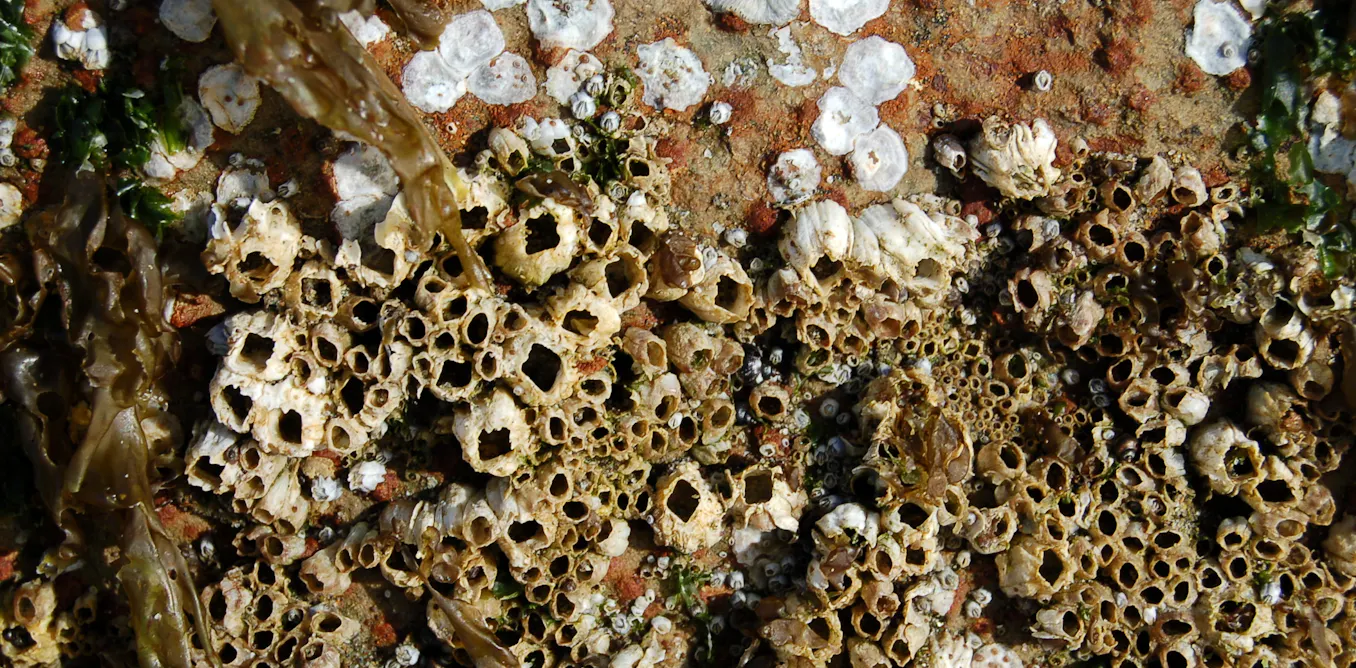
At low tide at Tongue Point, I heard an acorn barnacle pop and click.
“Clickety-clack. Clickety-clack. Pop.”
Intertidal Zone Challenges
The intertidal zone faces temperature swings, desiccation, and the cost of remaining clamped shut in open air.
Soundscapes and Movement
The clicking sound came from small shore crabs moving among mussels or hermit crab shells knocking against them.
Barnacle Behavior
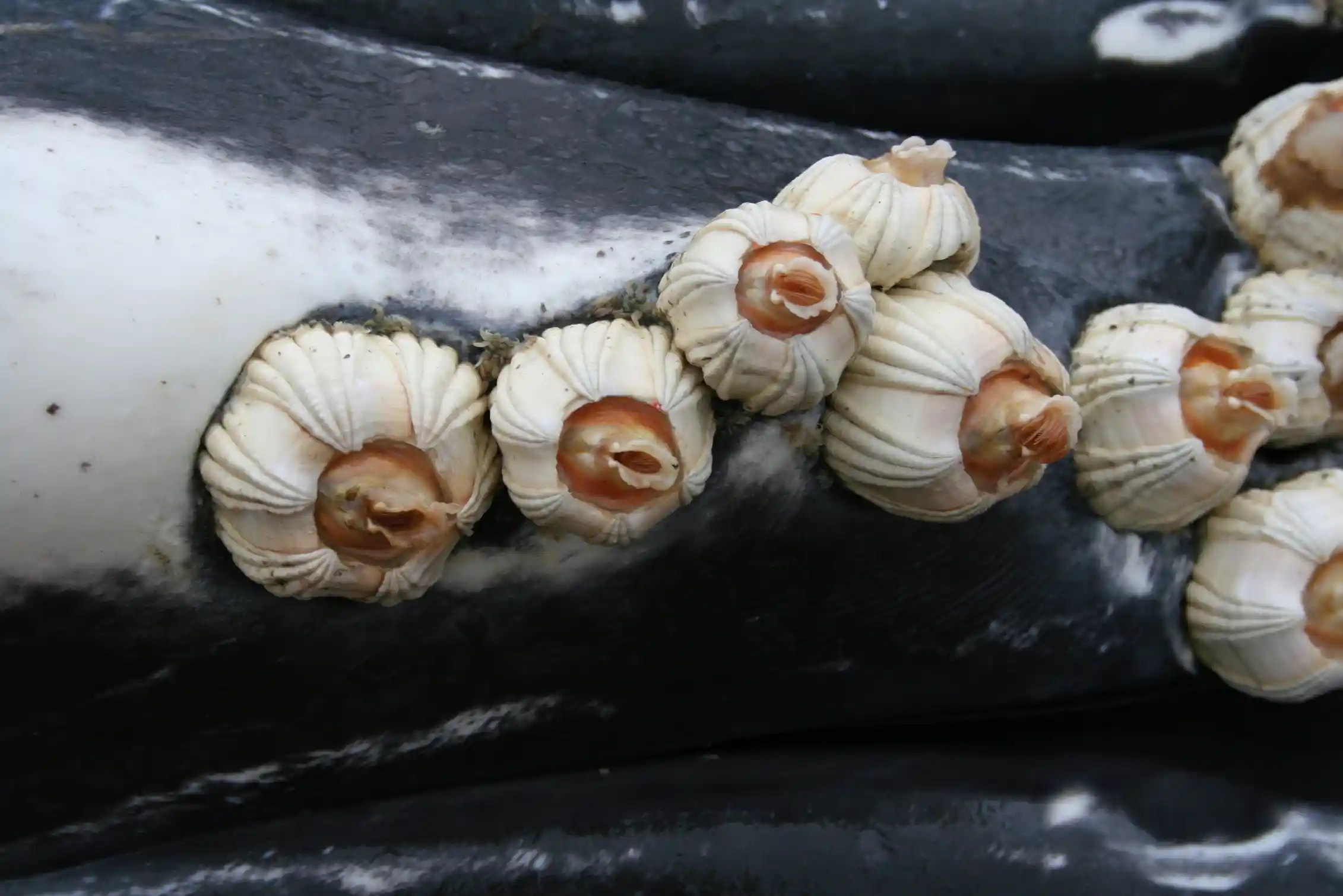
An acorn barnacle’s tiny opening was slightly unsealed, with two small plates moving against its deeply ridged shell.
Observation Lessons
To become a better naturalist, notice something, describe it carefully, ask what else could explain it, and decide what evidence would distinguish among possibilities.
The short version
Paying attention to background sounds helps naturalists notice animal activities without special equipment.