From The Conversation · Wesleigh Gates · · 1m 20s
Horror's Monsters Find New Meaning for Queer and Trans Audiences
Queer film 'Teenage Sex and Death at Camp Miasma' helps viewers reframe horror's identity struggles.
In brief
Queer film 'Teenage Sex and Death at Camp Miasma' helps viewers reframe horror's identity struggles. Queer and trans viewers use horror films to explore identity, disidentify with harmful tropes, and reclaim power through critical engagement with the genre. Originally reported by The Conversation.
Queer Horror's Growing Influence
Queer horror films like 'Leviticus' (2026) and 'American Horror Story' are gaining critical attention.
Camp Miasma Reboot Project
Auteur Kris reboots the aging 'Camp Miasma' slasher franchise for contemporary queer audiences.
Queer Viewers' Horror Connection
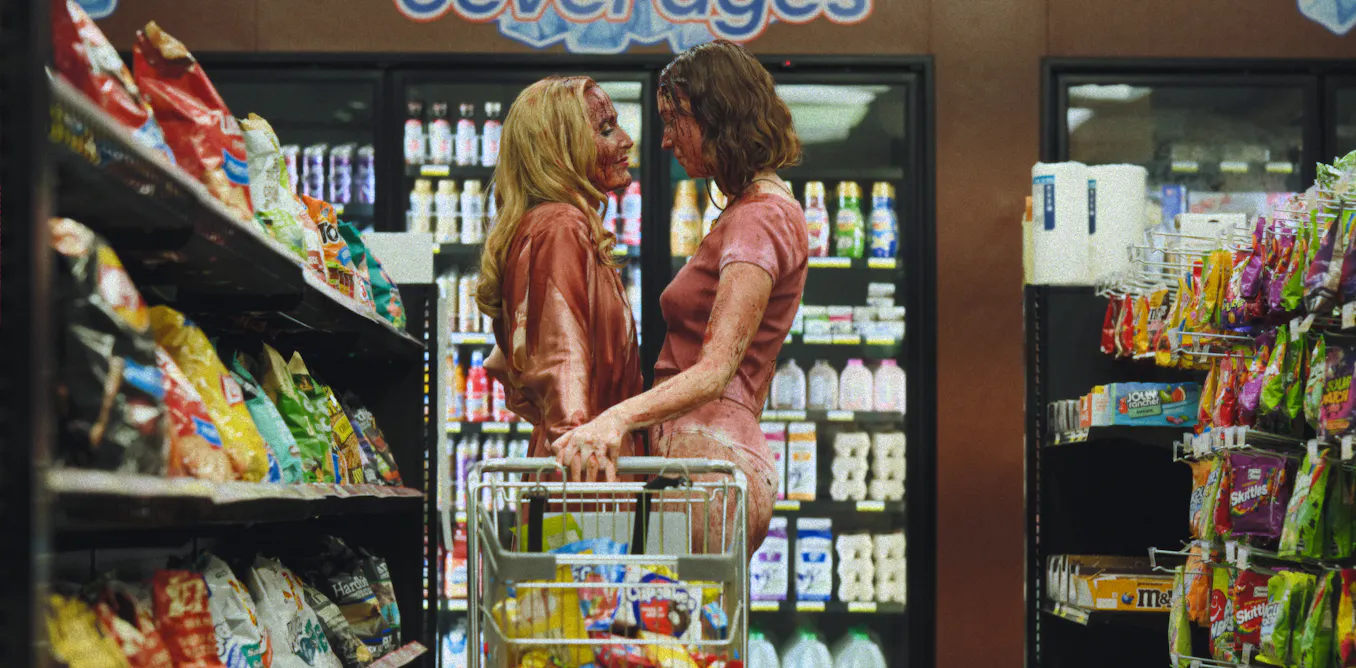
Trans and queer viewers find horror mirrors complex identity and embodiment questions.
Horror's Queer-Coded History
Horror films from 'Sleepaway Camp' (1983) to 'The Silence of the Lambs' (1991) feature transphobic queer characters.
Why Horror Resonates
Queer audiences return to horror despite its problematic portrayals of lgbtqi+ people.
Horror's Social Structure

Film scholar robin wood describes horror as 'normality threatened by the monster' reflecting heteronormative society.
Body Horror Relevance
Body horror depicts bodies as vulnerable, mirroring queer and trans experiences of embodiment.
Disidentifying Strategy
Queer theorist jose esteban munoz suggests disidentifying with harmful representations while finding generative meaning.
Camp Miasma's Identity Approach
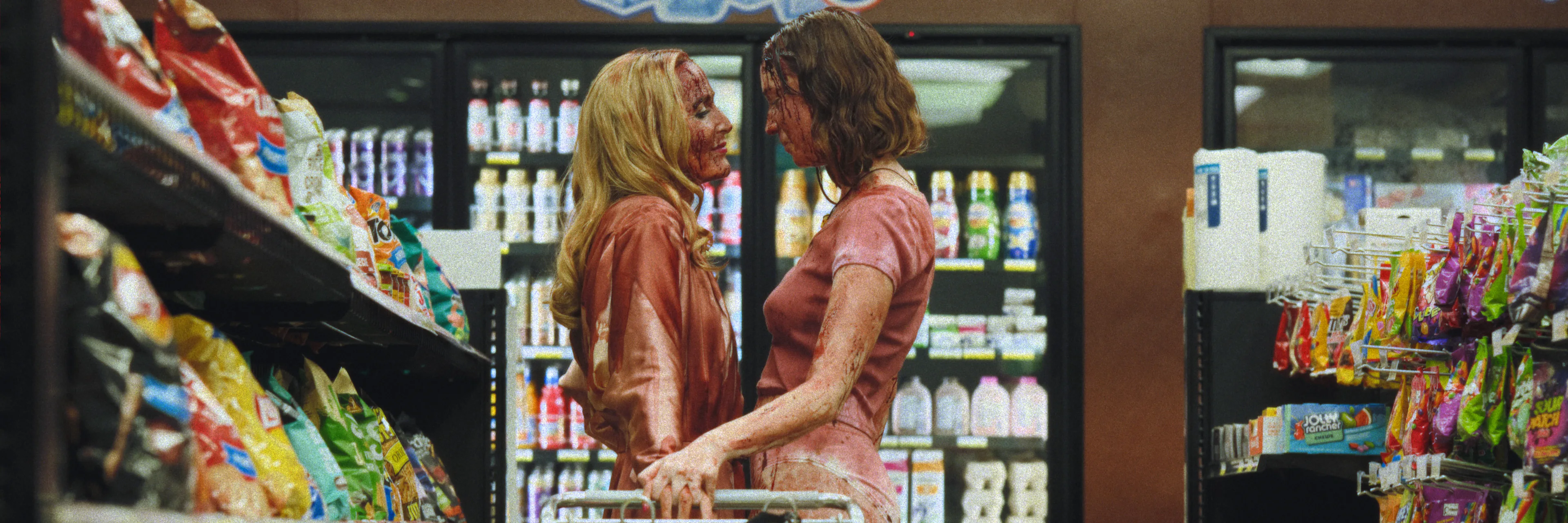
The film shows queer characters connecting with themselves through watching horror.
The essence
Queer and trans viewers use horror films to explore identity, disidentify with harmful tropes, and reclaim power through critical engagement with the genre.


