From The Conversation · Mahad D. Darar · · 4m
Houthis seize Yemen's coast, but legitimacy slips away
A rapid military advance gives Iran leverage and the Houthis control of a global shipping chokepoint, but risks exposing them as Tehran's tool.
In brief
A rapid military advance gives Iran leverage and the Houthis control of a global shipping chokepoint, but risks exposing them as Tehran's tool. The Houthis' coastal offensive boosts their military position and Iran's regional power, but their heavy-handed governance and lack of political inclusion may undermine their…
Houthis seize Yemen's Red Sea coast
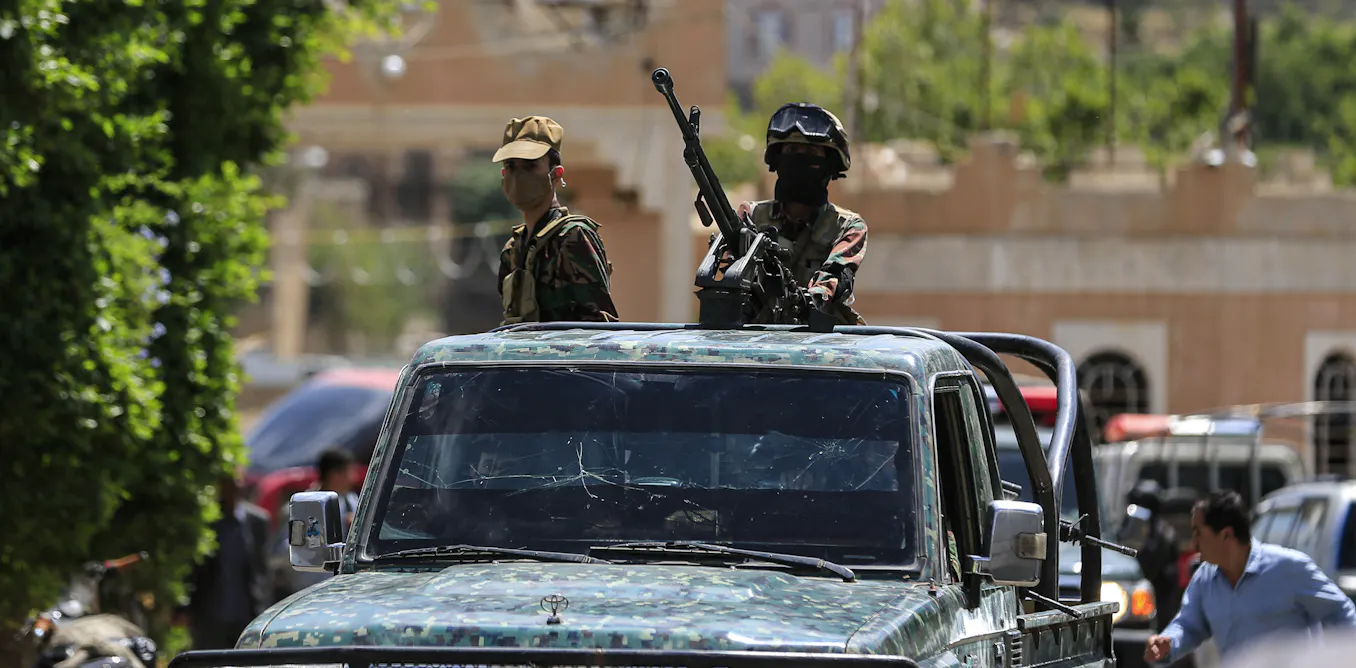
In just days starting September 3, 2026, Houthi forces took control of most of Yemen's Red Sea coastline, including the Bab el-Mandeb Strait. The offensive displaced over 100,000 people and captured roughly 2,100 square miles of territory.
Largest shift since 2022 truce
This is the biggest change in Yemen's civil war front lines since a UN-brokered truce froze them in April 2022. The conflict had been largely stalled for years before this offensive.
Saudi blockade and airport strike trigger escalation
The Houthis cited years of Saudi aggression and a July 13 strike on Sanaa airport that forced an Iranian aircraft carrying Islamic Revolutionary Guard Corps officers to turn back. They declared their ceasefire over and launched missiles in early August.
Iran's hand in the operation
Iran closed the Strait of Hormuz in March, forcing Saudi Arabia to route crude oil through Bab el-Mandeb at eight times the previous rate. A senior Iranian commander reportedly oversaw part of the September operation on the ground.
Economic leverage mirrors Hormuz control
Since March, Iran has charged vessels up to two million dollars per ship for safe passage through Hormuz. The Houthis may see similar economic leverage through the Bab el-Mandeb Strait as a way to bolster their war-battered movement.
Fractured opposition made offensive possible
Saudi Arabia's rift with the United Arab Emirates in late 2025 led the UAE to withdraw support for anti-Houthi forces in the south. With the region engulfed in conflict and Saudi Arabia distracted, the Houthis attacked an exposed coastal force.
Houthis frame move as Yemeni sovereignty

The Houthis insist they are not a mere Iranian proxy and frame the Bab el-Mandeb operation as a national, sovereign act. They want to be seen as a Yemeni movement fighting for power inside Yemen, not Tehran's instrument.
Leverage to force Saudi back to table
Saudi Arabia and the Houthis had negotiated a comprehensive nationwide ceasefire in 2023 that never materialized. The Houthis may now believe escalating inside Yemen, where the cost to Saudi Arabia is high, will force Riyadh back to negotiations with real political recognition.
Governance theater, not real inclusion
After taking Mokha, the Houthis reopened the customs house, cut port fees and handed out food baskets. But this is legitimacy performed through public relations, not the political bargain needed to hold Yemen together long-term.
A decade of Houthi rule shows their model
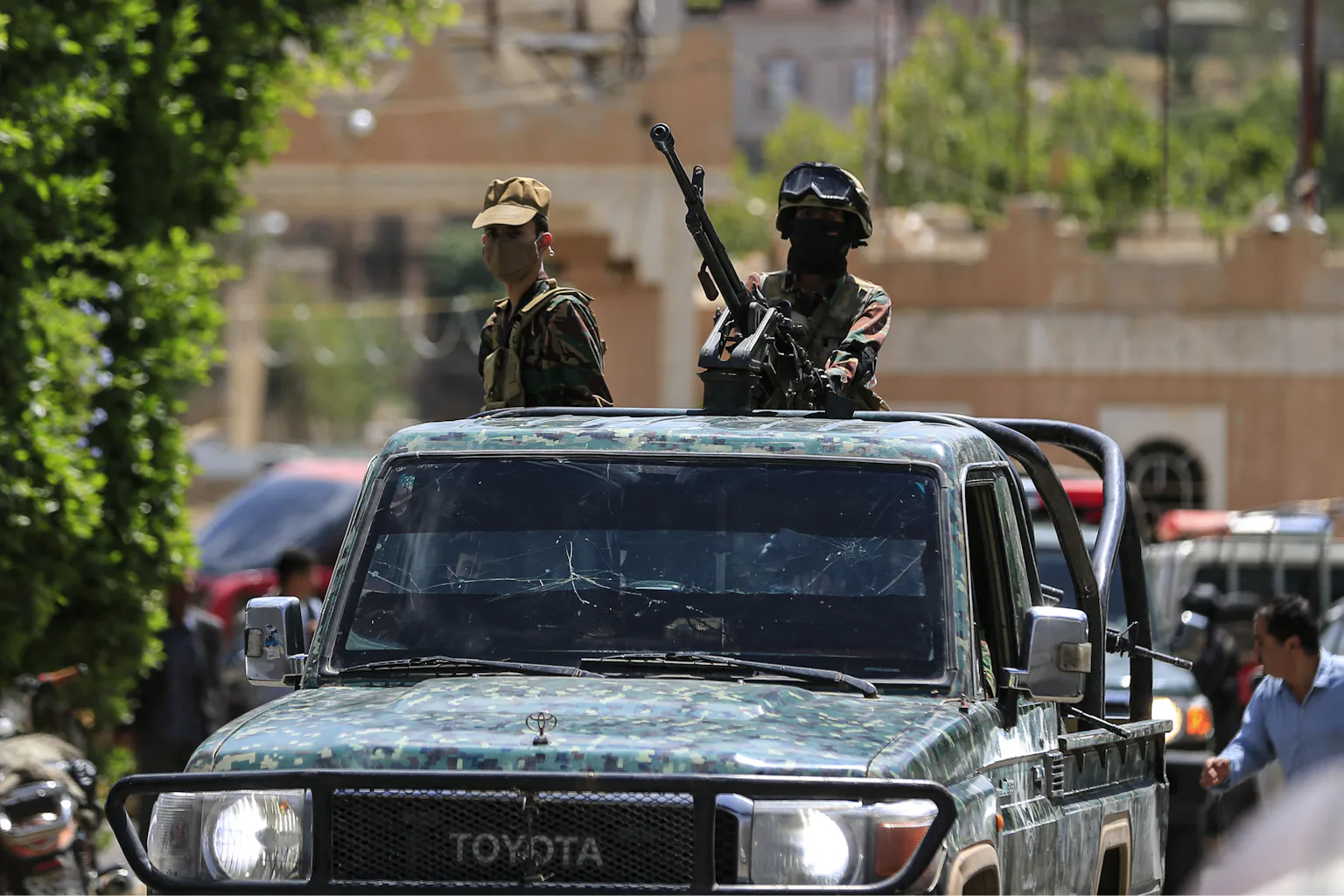
Ten years of Houthi control in Sanaa reveals they prefer ruling by guns, not coalition. They have never pursued political bargains with other parties or the internationally backed government.
Offensive risks looking like Tehran's tool
Seizing the Arabian Peninsula's other choke point and banning Saudi shipping makes the Houthis look to much of the world and Yemen like Iran's instrument, whatever their actual objectives are.
Saudi airstrikes and escalation loom
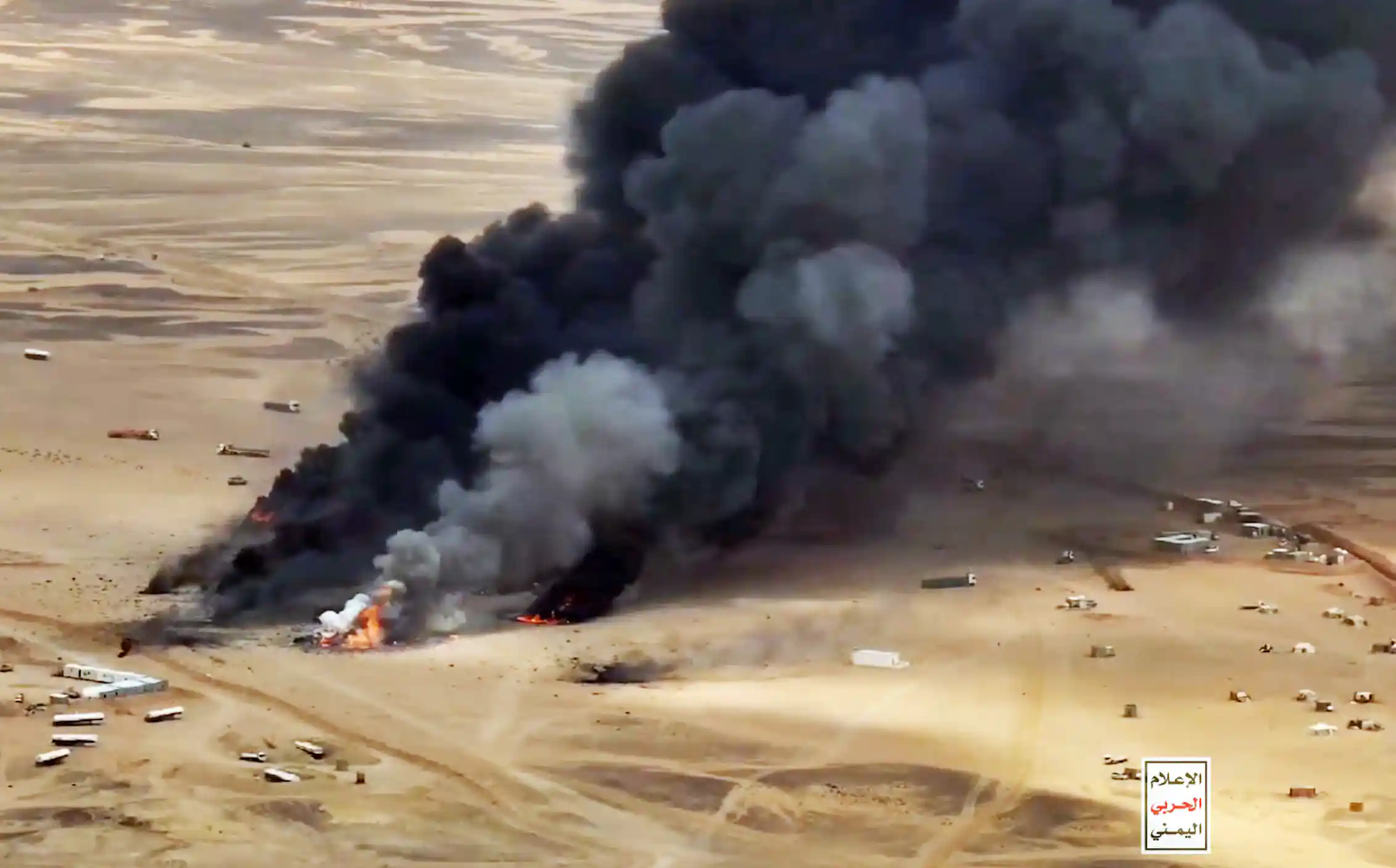
Saudi Arabia has prosecuted the Yemen war for over a decade at enormous cost to civilians. The Houthis have now exposed themselves and any Yemeni civilians to relentless airstrikes by Saudi Arabia and its allies.
Controlling a strait won't buy consent
The Houthis may find themselves controlling a strait the world wants reopened while lacking the one thing that strait was never going to buy them: a whole country that actually consents to their rule.
“It is one thing to take territory and quite another thing to hold it.”
The key point
The Houthis' coastal offensive boosts their military position and Iran's regional power, but their heavy-handed governance and lack of political inclusion may undermine their standing in Yemen itself.