From The Conversation · Zachary Handlos · · 1m 50s
How Much Rain Can a Hurricane Make?
Hurricanes drop massive rain, but storm size doesn't always determine impact.
In brief
Hurricanes drop massive rain, but storm size doesn't always determine impact. Hurricanes can cause extreme rainfall, with slow-moving storms like Harvey dumping 60.58 inches of rain over Texas. Originally reported by The Conversation.
Hurricane Rainfall Impact
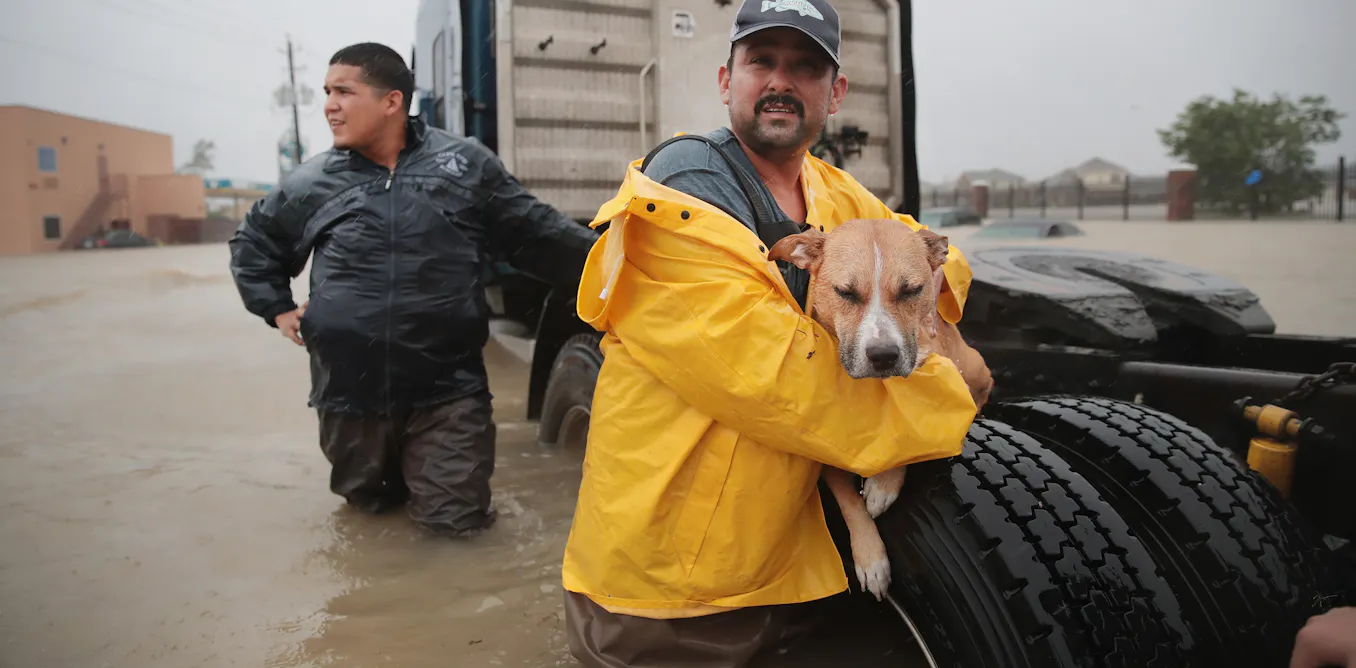
Hurricane Harvey dropped several feet of rain on Texas, stranding trucks, people and their pets.
Hurricane Rainfall Records
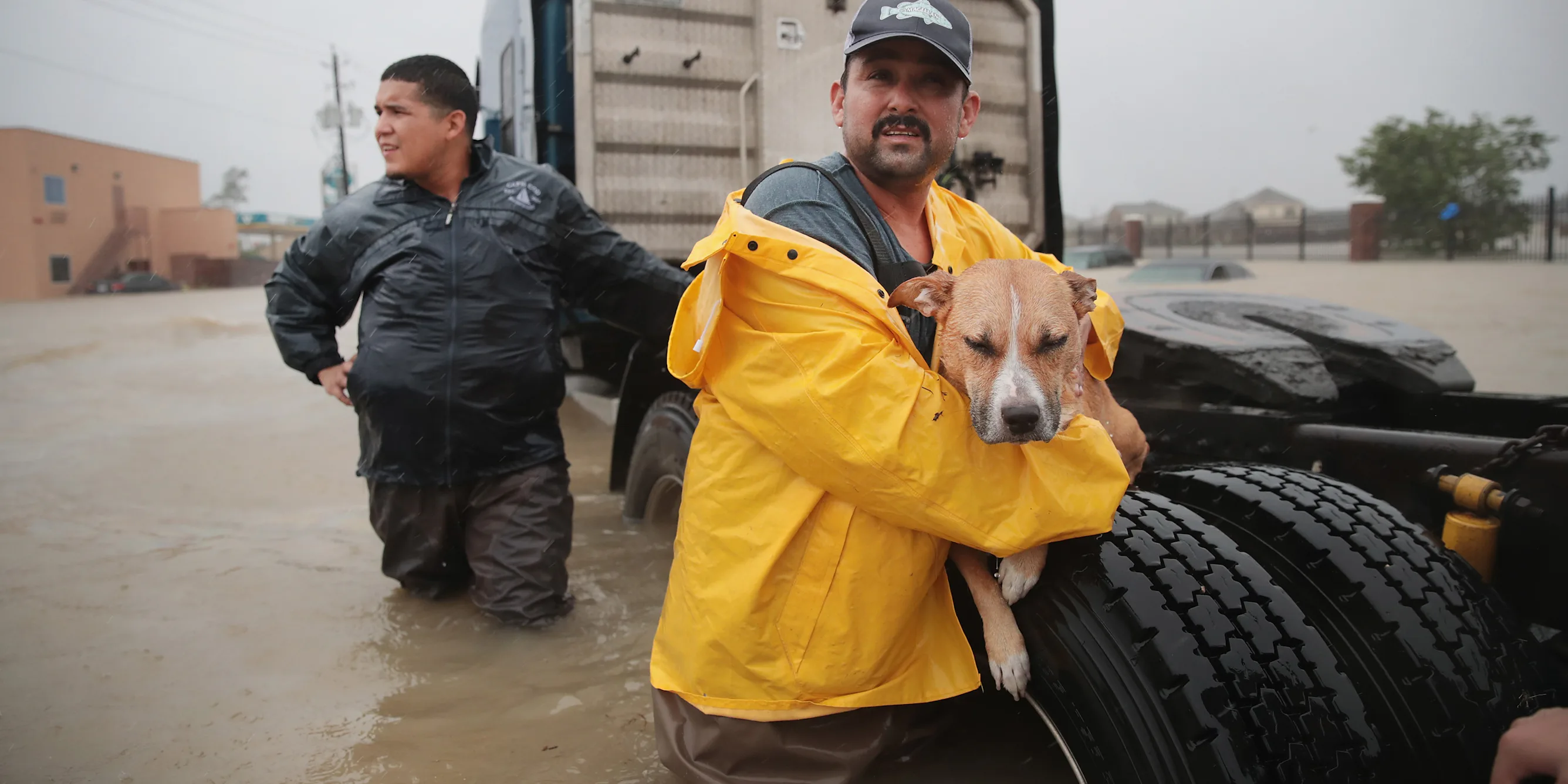
One town in Texas got over 60 inches (152 centimeters) of rain from Hurricane Harvey over five days in 2017.
Hurricane Rainfall Records
Hurricane Lane dumped 58 inches (147 centimeters) of rain on Kahuna Falls, Hawaii the following year.
Hurricane Rainfall Mechanism
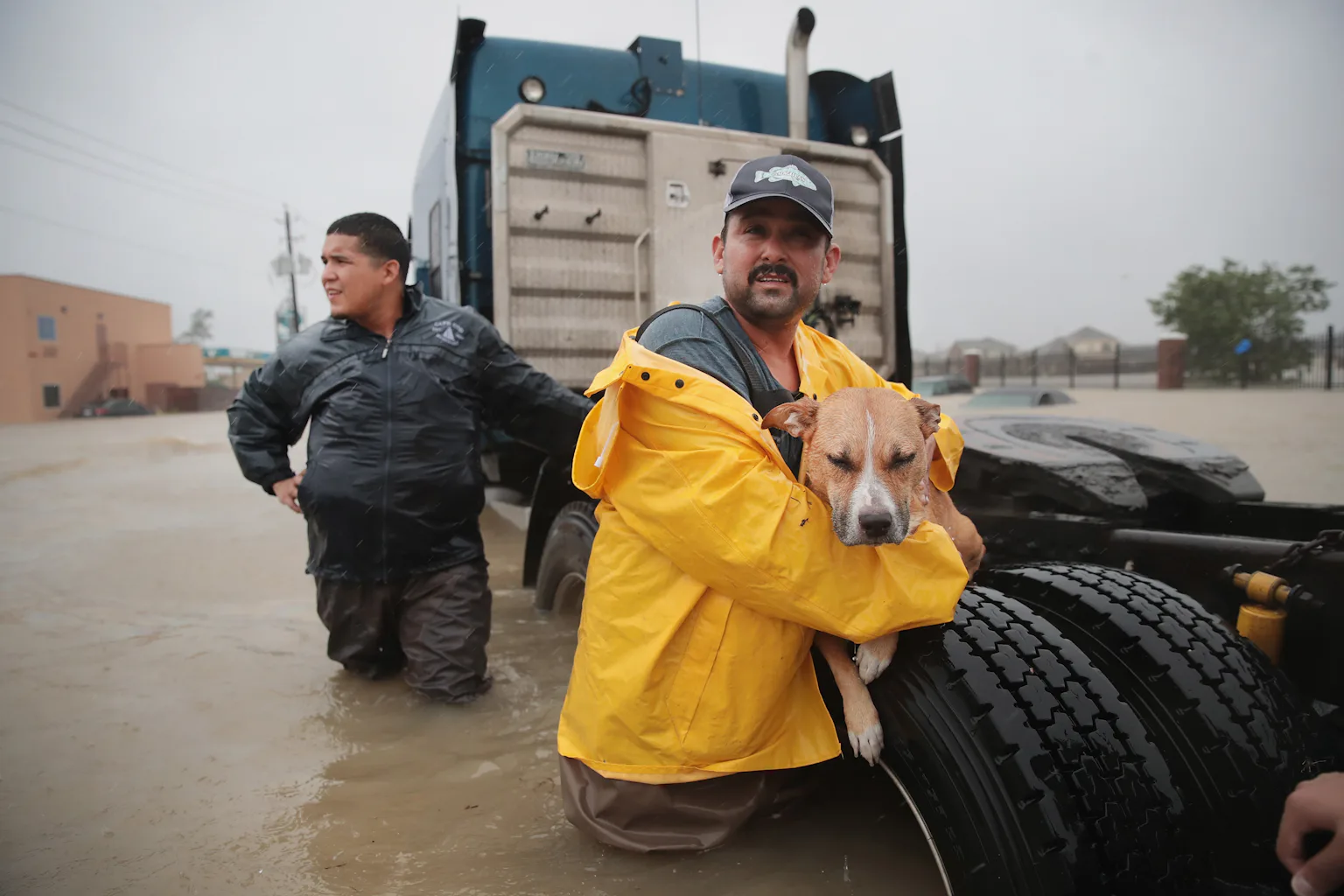
The magic number for surface water temperature to fuel a hurricane is at least 80 degrees Fahrenheit (26.5 degrees Celsius).
Hurricane Size Comparison

Super Typhoon Tip in 1979 grew to half the size of the lower 48 U.S. states, with a radius of 690 miles (1,110 kilometers).
Hurricane Size Comparison
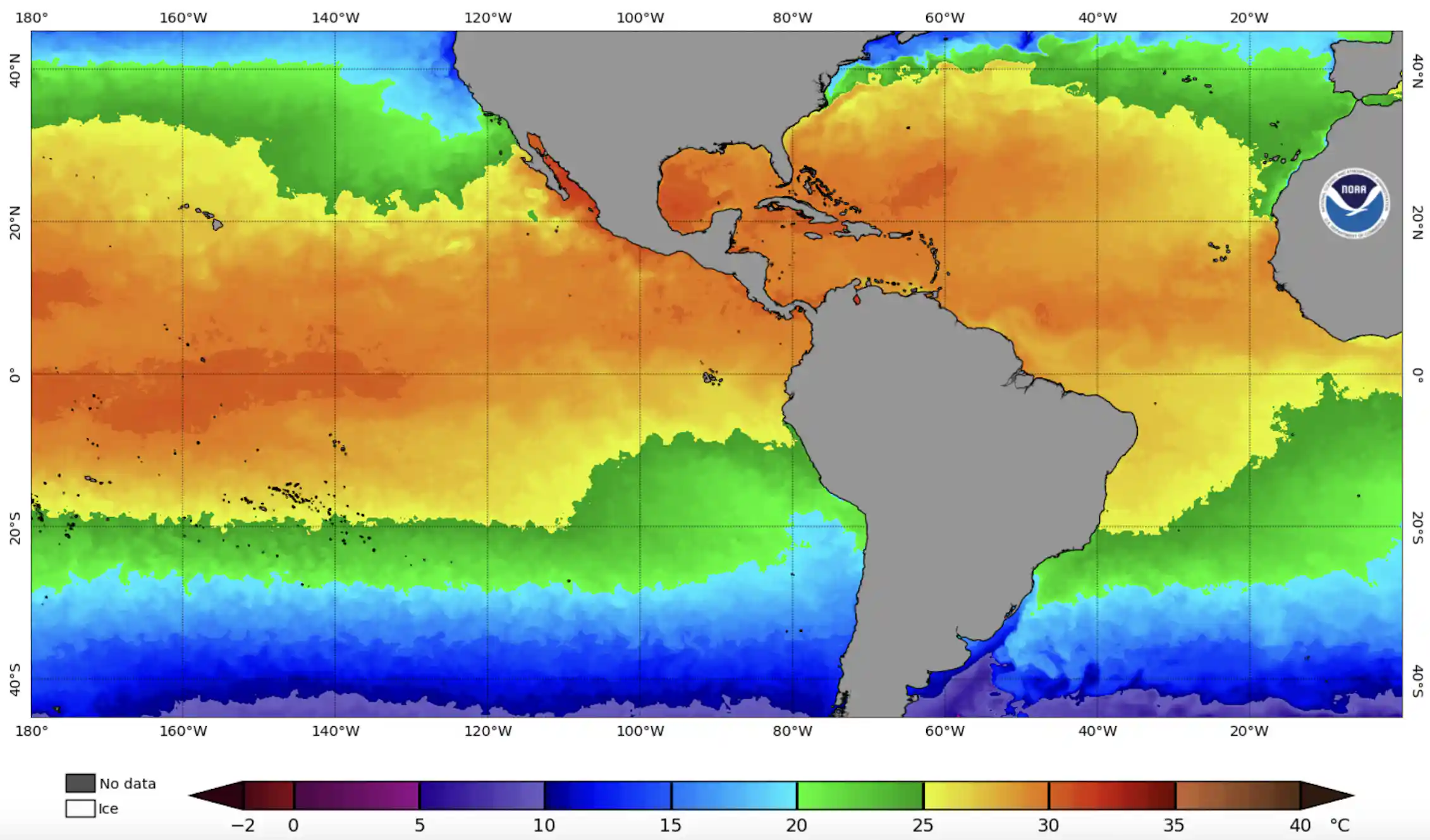
Tropical Storm Marco’s gale-force winds in 2008 had a radius of 11.5 miles (18.5 kilometers), meaning it was about 23 miles (37 kilometers) across.
Hurricane Size and Rainfall
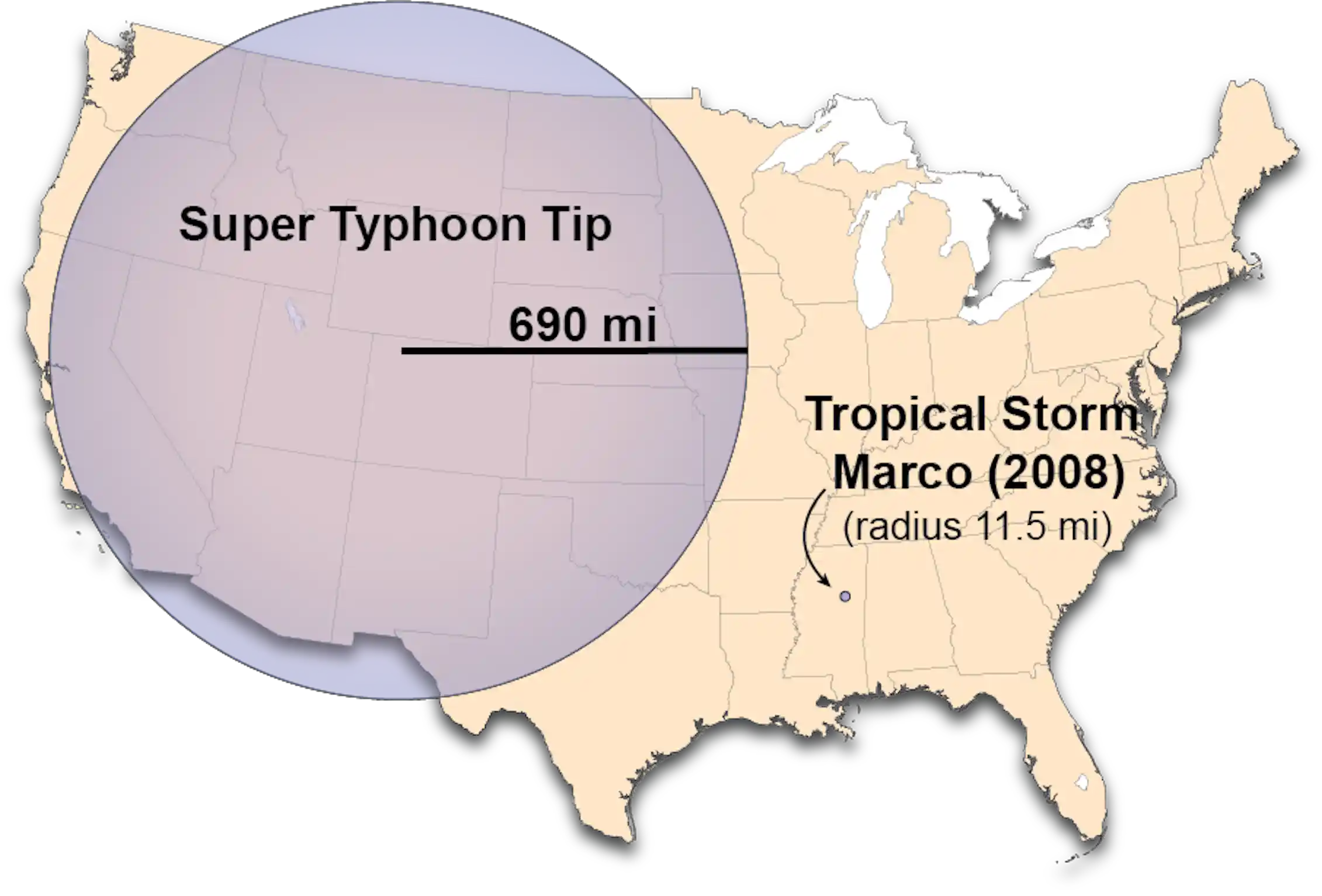
Hurricane Helene in 2024 moved over warmer-than-normal water, carrying moisture to North Carolina mountains and causing catastrophic flooding.
Hurricane Size and Rainfall
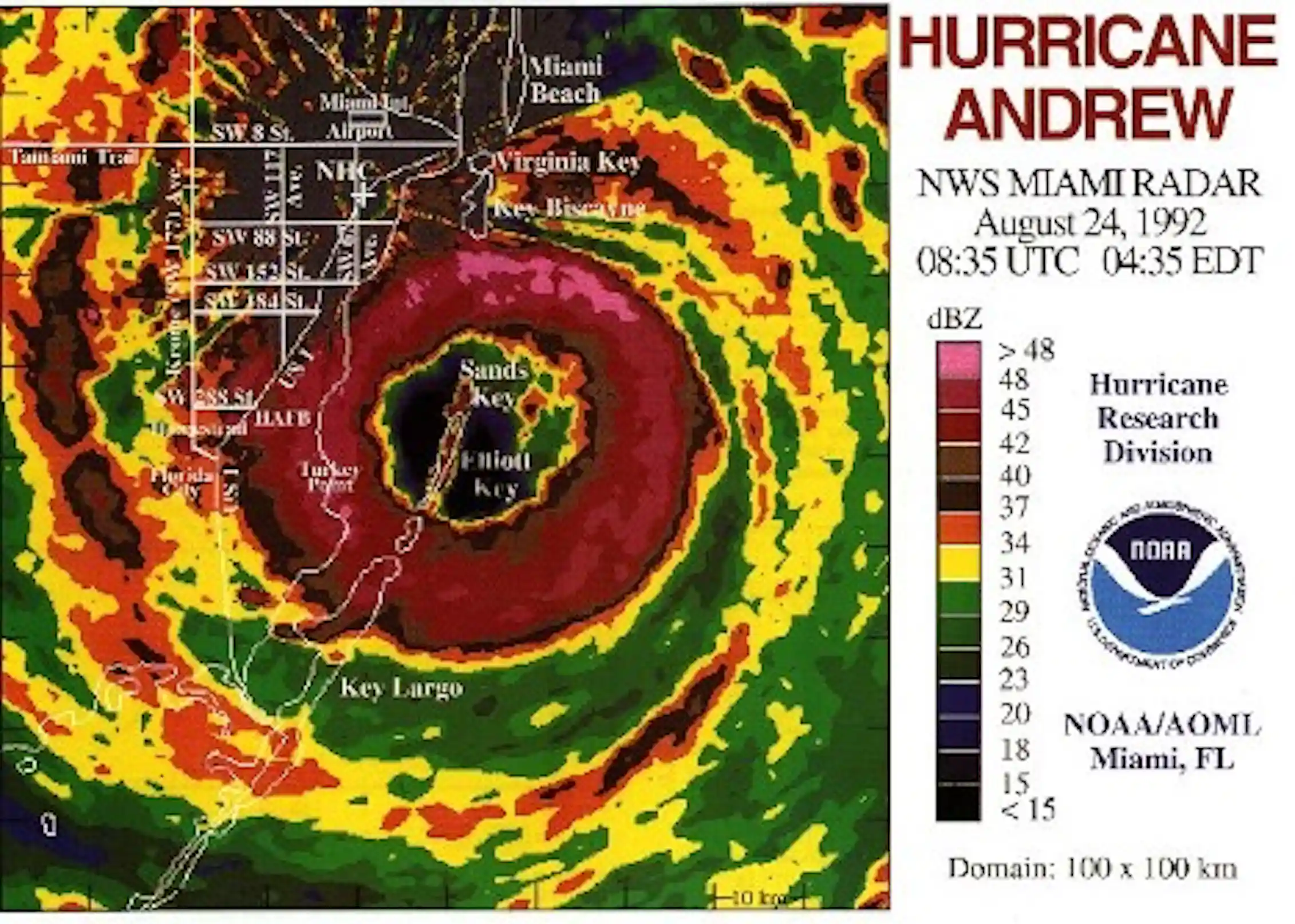
Hurricane Andrew in 1992 was small but destructive, destroying over 25,000 homes with Category 5 winds.
Hurricane Movement and Rainfall
Slow-moving hurricanes cause the highest rainfall totals by keeping rain over the same location for extended periods.
Hurricane Harvey Rainfall
Hurricane Harvey dropped 60.58 inches (1.54 meters) of rain over Nederland, Texas, flooding the town.
Hurricane Impact Factors
Hurricanes that move slowly cause the most severe rainfall problems, while fast-moving storms have lower rainfall totals per location.
The bottom line
Hurricanes can cause extreme rainfall, with slow-moving storms like Harvey dumping 60.58 inches of rain over Texas.