From The Conversation · Mary Lind · · 1m 30s
Human rights could improve or worsen with UN cybercrime treaty
How nations use UN cybercrime treaty affects human rights globally.
In brief
How nations use UN cybercrime treaty affects human rights globally. Nations ratifying UN cybercrime treaty could strengthen or weaken human rights protections online. Originally reported by The Conversation.
UN cybercrime treaty signing
The United Nations Convention against Cybercrime signed on Oct. 25, 2025, aims to combat online criminal acts and support victims.
Secretary General's promise
U.N. Secretary General António Guterres called it a promise to protect privacy, dignity and safety both online and offline.
Civil society concerns
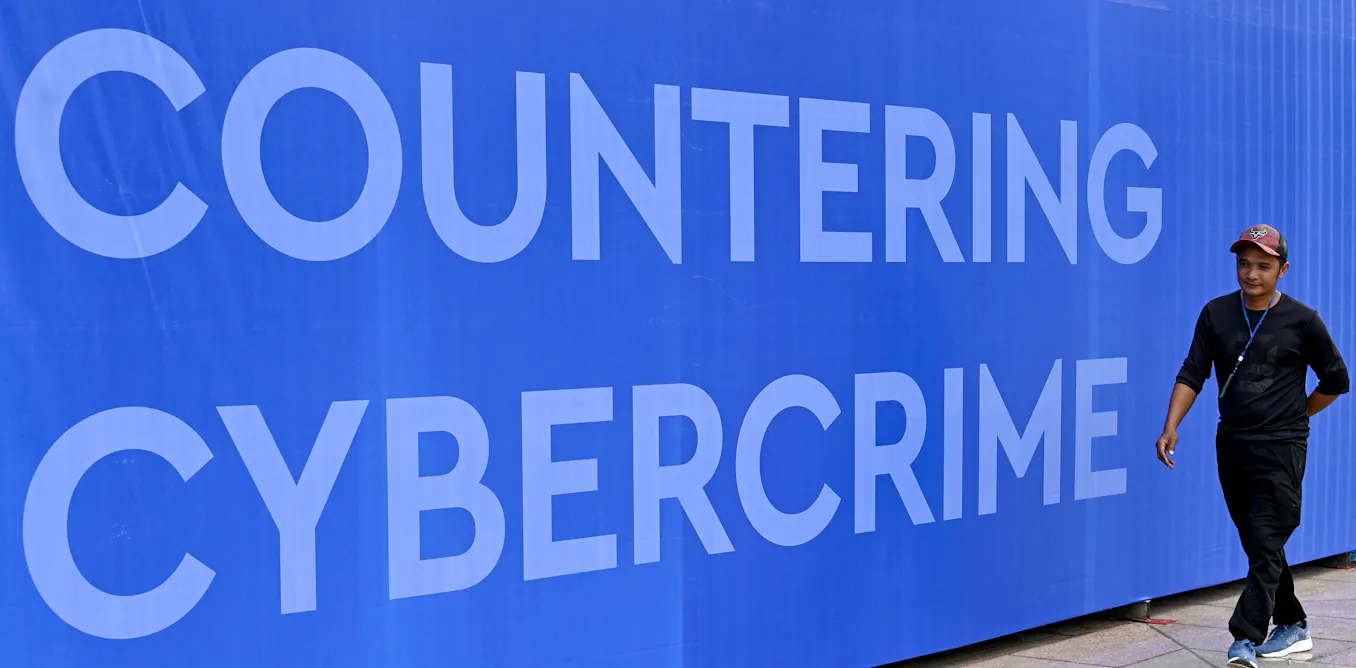
Civil society groups warn the treaty could let authoritarian governments share information about online activities.
Vague language risks
Critics say the treaty's vague language might criminalize legitimate online expression or other activities.
Whistleblower protections
Weak protections risk increased targeting of whistleblowers, activists and journalists by governments.
Ratification deadline
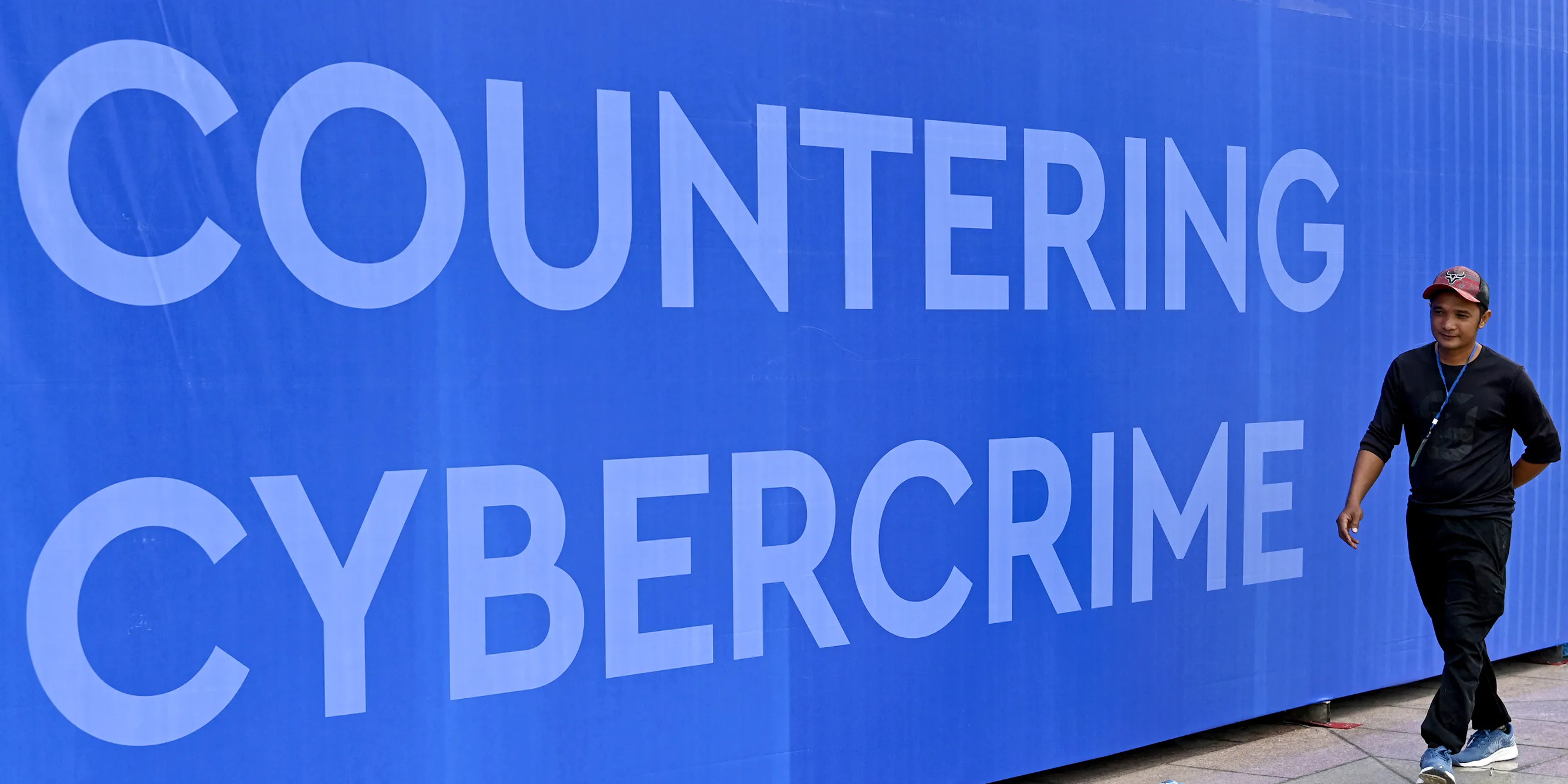
Nations must sign by Dec. 31, 2026, and ratify by home country to enter into force.
Current ratification status
As of October 2026, 95 nations signed but only three have ratified the treaty.
U.S. position
The U.S. has not signed the treaty, while the Trump administration says it will consider ratification.
Human rights groups' warning
19 NGOs urged nations not to sign or ratify the treaty, warning it lacks strong human rights safeguards.
Compliance verification
No treaty body monitors cybercrime treaty compliance, making abuses harder to track.
What matters most
Nations ratifying UN cybercrime treaty could strengthen or weaken human rights protections online.