From The Conversation · Eileen Hunt · · 2m
Mary Shelley's 200-year-old plague warning
The Last Man predicted our climate and pandemic crises with eerie accuracy.
In brief
The Last Man predicted our climate and pandemic crises with eerie accuracy. Shelley's 1826 novel shows how human conflict and irresponsibility can trigger cascading catastrophes, offering a model for hope even in apocalyptic scenarios. Originally reported by The Conversation.
A 200-year-old plague story
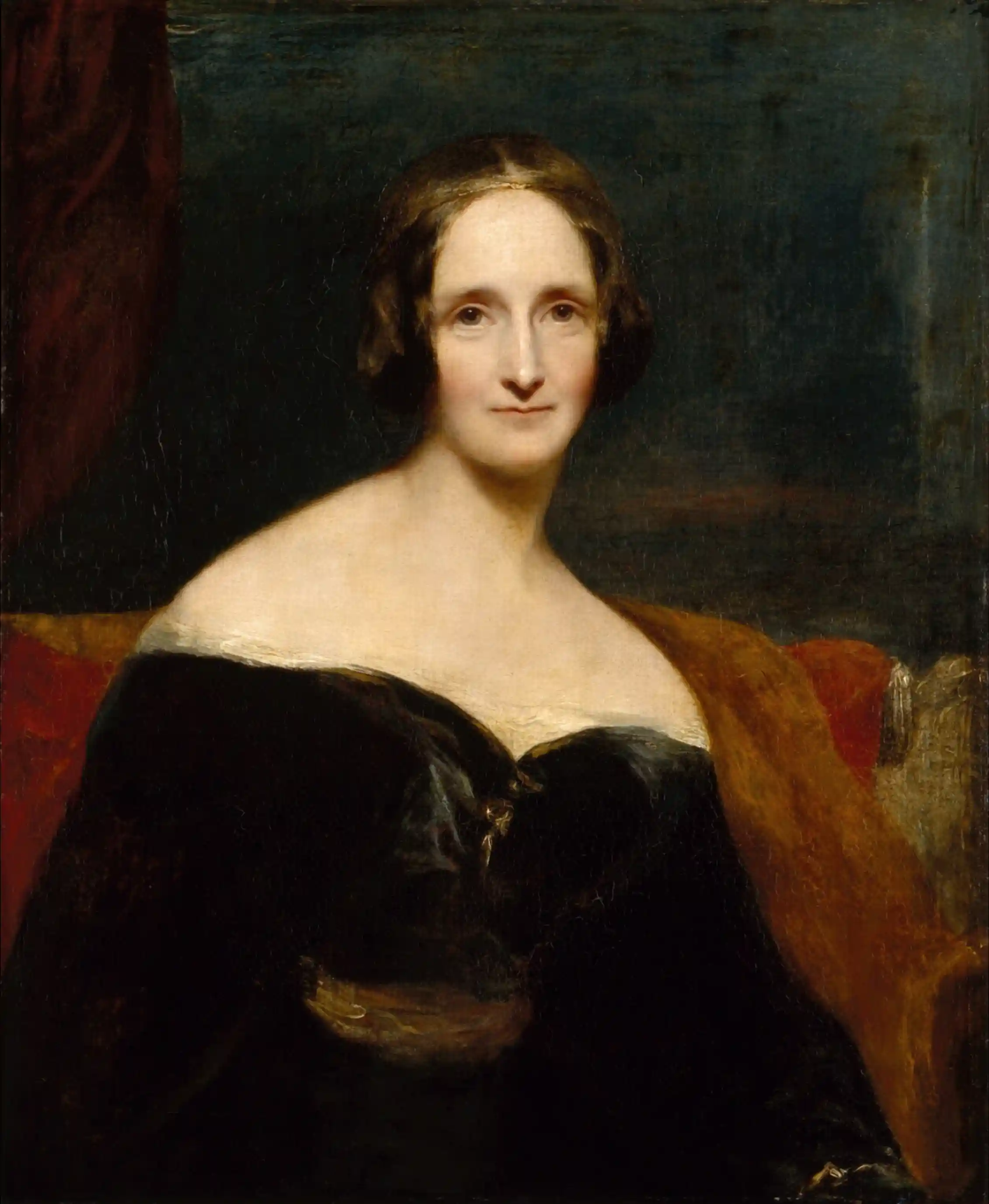
Mary Shelley's 1826 novel The Last Man imagines a lethal contagion spread by war that wipes out humanity, leaving one survivor. Published nearly two centuries ago, it feels urgently relevant today.
Shelley's personal tragedy shaped the tale
Shelley's husband Percy drowned in 1822 at age 29. Three of their four children had already died. She channeled this grief into The Last Man while writing her Journal of Sorrow.
The novel unfolds in three volumes
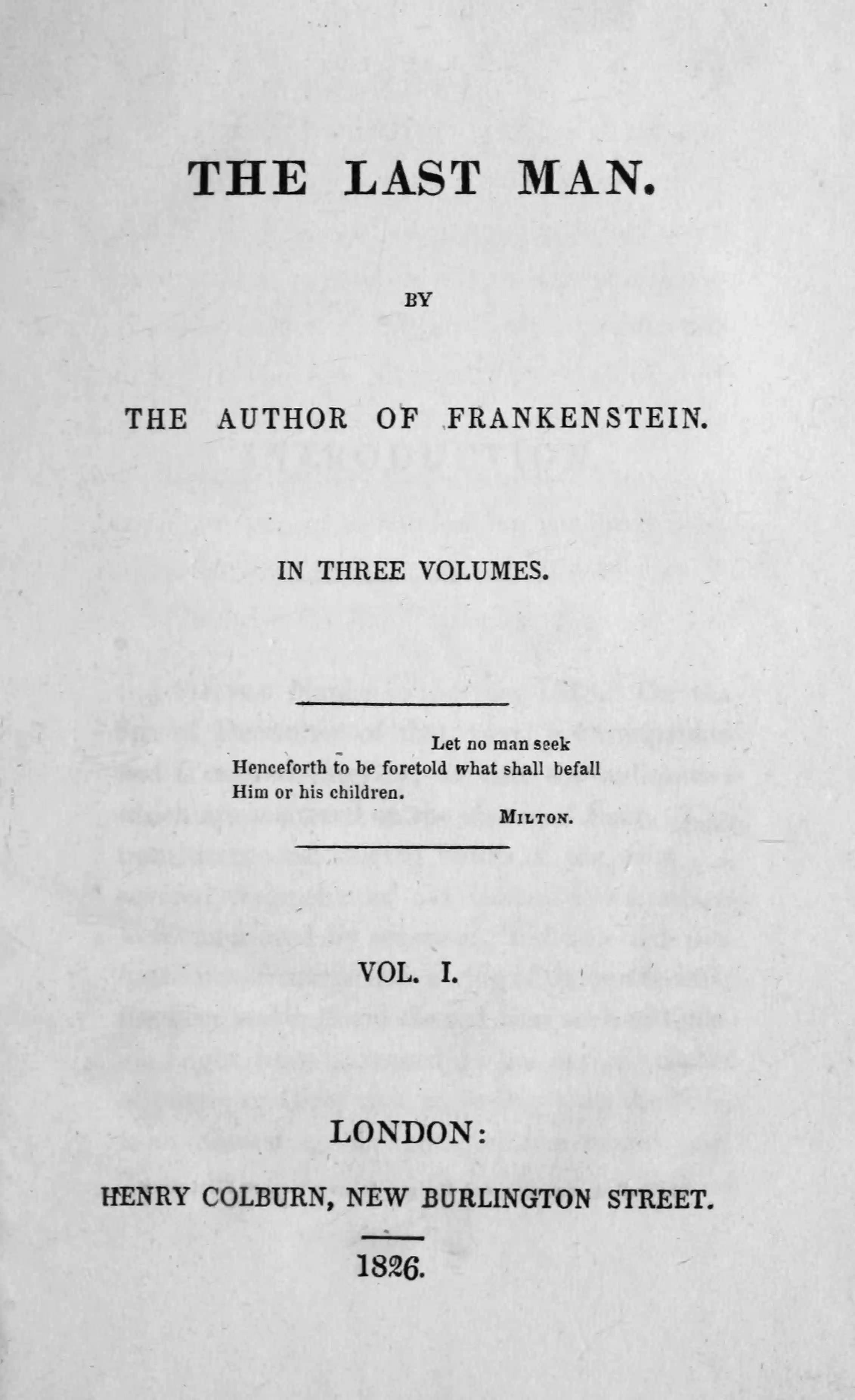
It begins as a court romance in Windsor Castle during the late 21st century, devolves into political corruption, then follows leaders into the Greek independence war where plague spreads from Constantinople worldwide.
Governments fail to contain the crisis
In Volume III, the plague collapses governments worldwide, triggering anarchy and civil war. Societies break down as leaders fail to cooperate, leaving humanity seemingly extinct except for one man.
“the vessel of society was wrecked, and the shattered raft, which carried the few survivors over the sea of misery, was riven and tempest tost.”
Three modern crises predicted
The Last Man engages with extreme weather, pandemics, and species extinction. The siege of Constantinople shows how war exacerbates heat and spreads disease from battlefields to the wider world.
Nature survives human extinction
Even as humanity dies from its own violence and lack of cooperation, other life persists. Animals, insects, fish, plants, and the Earth's waterways endure the collapse of human civilization.
The last man seeks answers
Lionel Verney, the sole survivor, writes a history assessing what happened, why, who was responsible, and how it could have been avoided. His book is actually Shelley's novel itself.
Hope emerges from the ruins
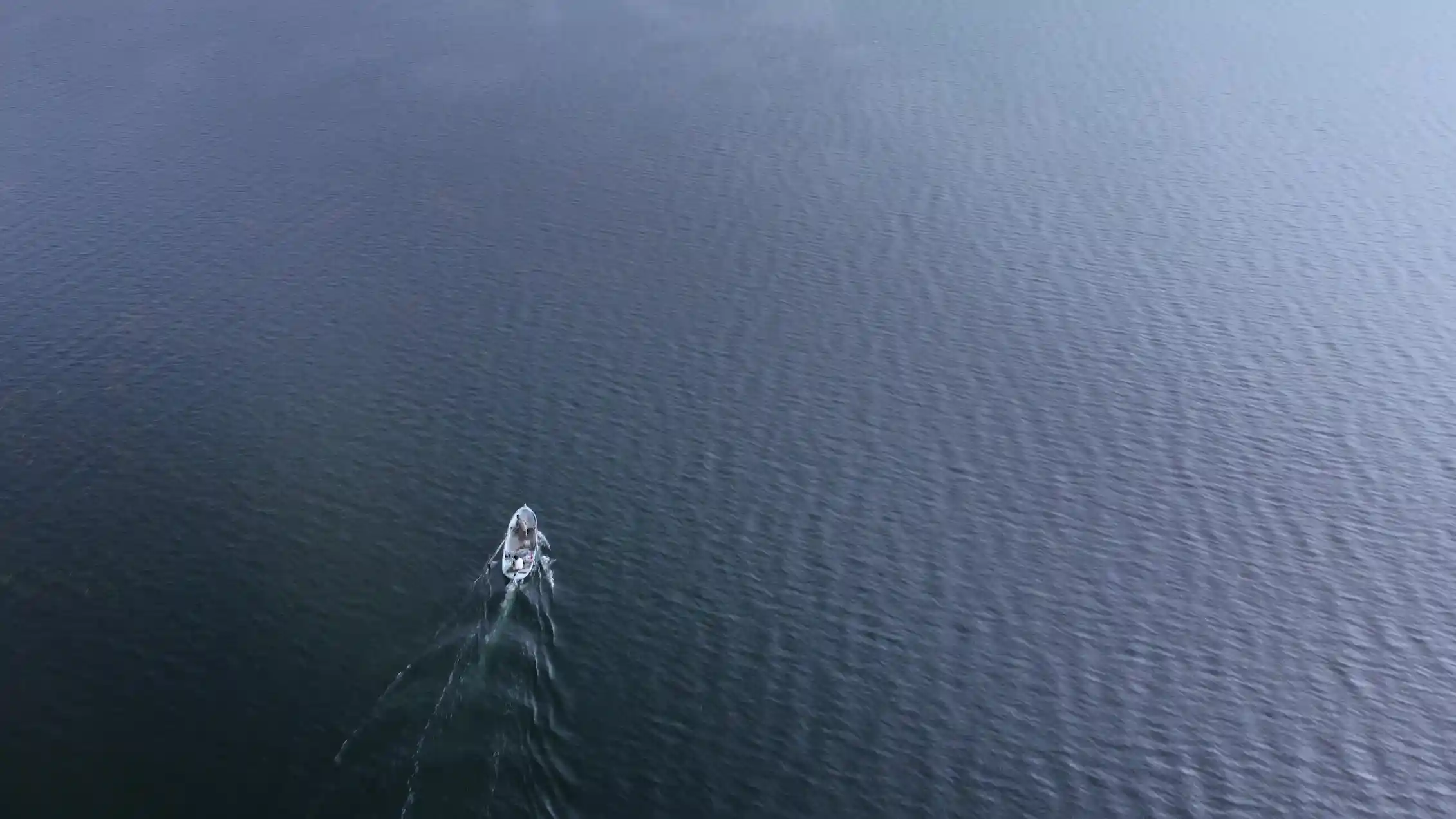
Verney plans to sail out in a small boat with his dog and works of Shakespeare and Homer, hoping to find other survivors and build new communities with remaining life forms.
A model for our moment
Shelley offers readers a framework for engaging with climate disasters, pandemics, and environmental catastrophes. Her vision of hope against all odds remains ethically relevant two centuries later.
The short version
Shelley's 1826 novel shows how human conflict and irresponsibility can trigger cascading catastrophes, offering a model for hope even in apocalyptic scenarios.