From The Conversation · Tarun Gopalakrishnan · · 3m
Nepal's $20M climate plea exposes fund's empty promises
A devastating glacier collapse killed thousands. Now Nepal is demanding compensation from wealthy nations through a climate fund that hasn't paid out a single dollar.
In brief
A devastating glacier collapse killed thousands. Now Nepal is demanding compensation from wealthy nations through a climate fund that hasn't paid out a single dollar. The Loss and Damage Fund exists on paper but lacks the money, speed, and political will to help climate-vulnerable countries recover from disasters they…
Glacier collapse devastates Nepal
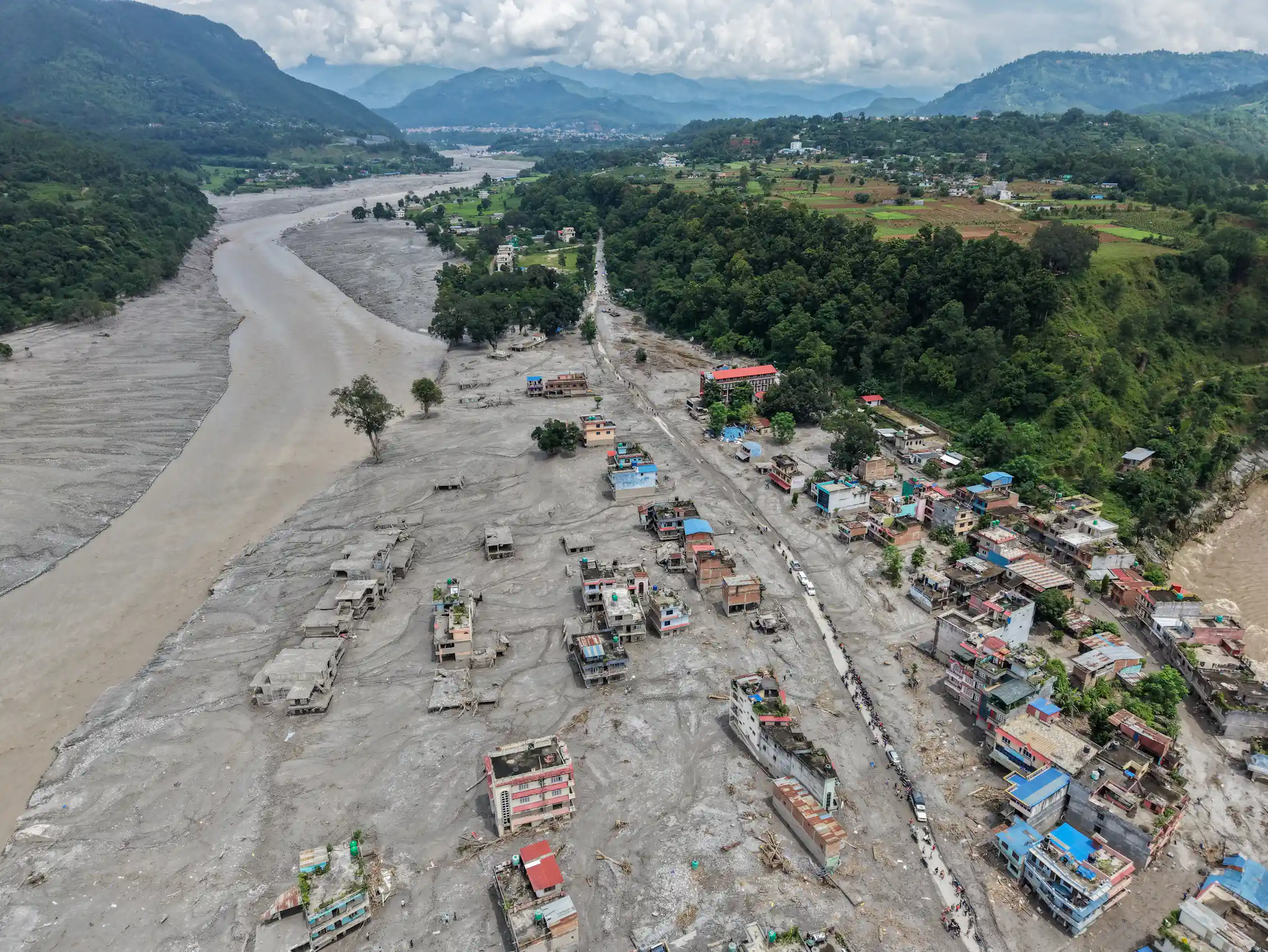
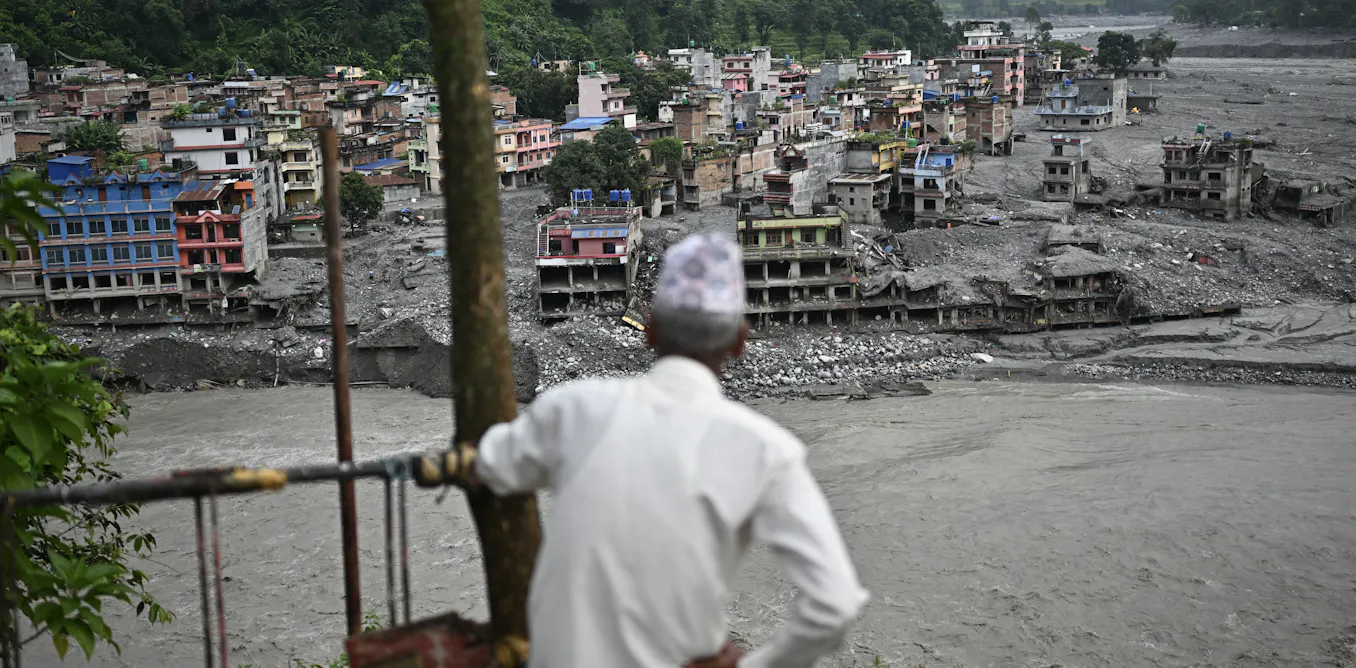
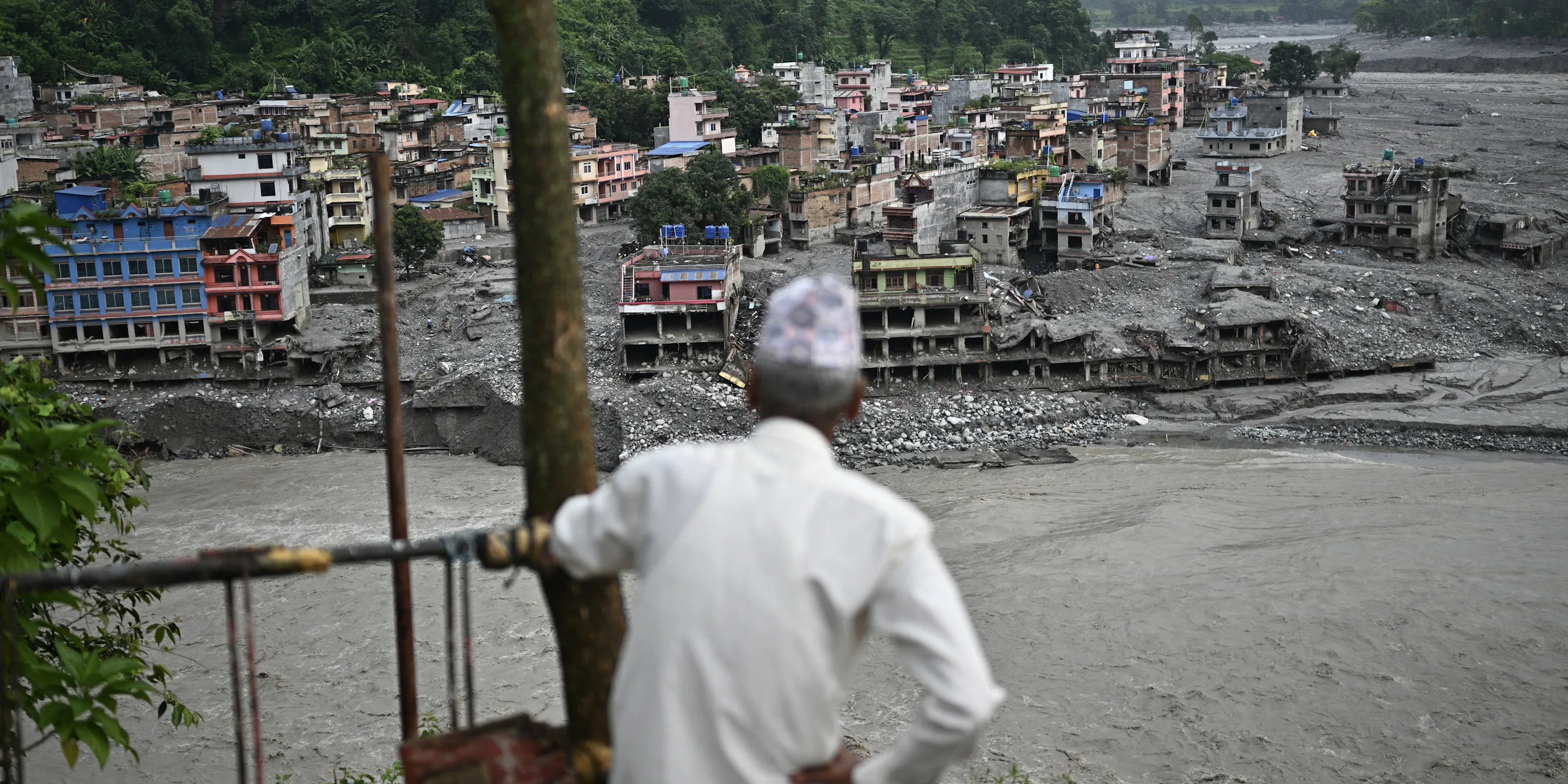
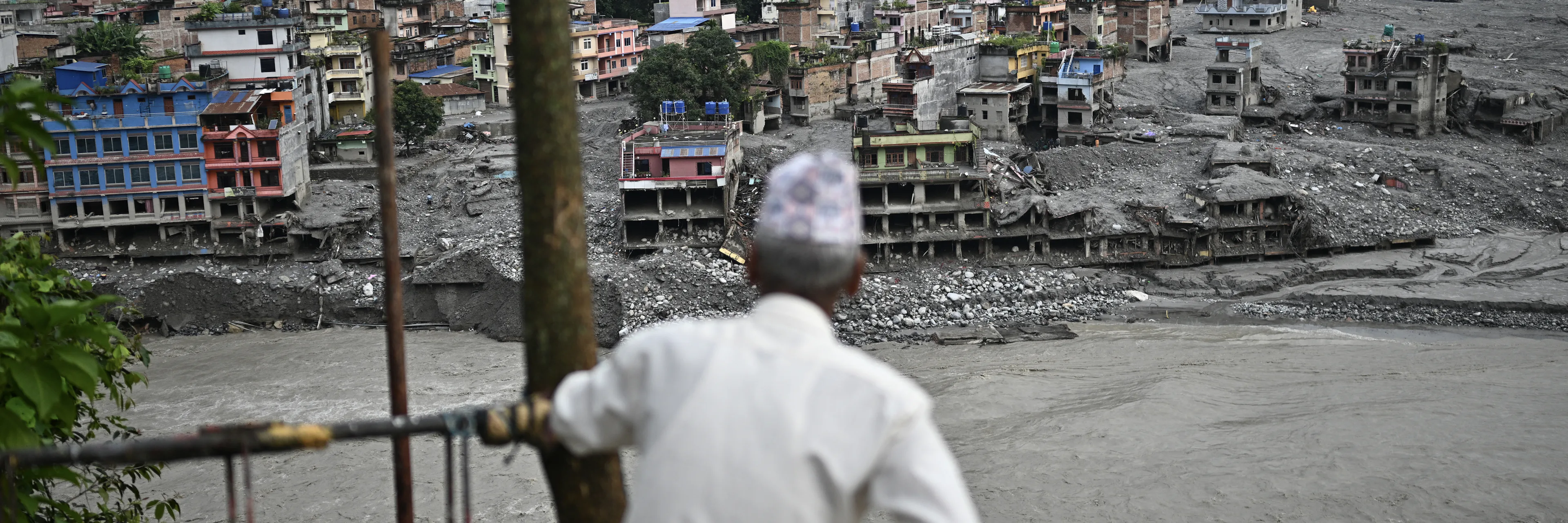
On August 26, 2026, a glacier collapsed in the Himalayas, triggering a catastrophic flood that killed over 1,400 people and destroyed communities near the Chinese border. The disaster also destroyed hydropower dams and knocked out 10% of Nepal's electricity capacity.
Nepal demands climate justice
Nepal's Foreign Minister Shisir Khanal called the country's request for compensation not charity but a demand for justice. Nepal produces virtually no greenhouse gas emissions yet bears the ultimate price for a global crisis it did not create.
“Nepal's greenhouse gas emissions are virtually negligible. Yet, we are paying the ultimate price for a global crisis we did not create.”
The $20 million ask
Nepal is requesting $20 million from the Loss and Damage Fund, a U.N. mechanism created in 2022 to help developing countries cope with climate disasters. However, the country's finance minister estimates total recovery costs at $4 to $5 billion.
The fund is nearly empty
Wealthy nations pledged $820 million to the Loss and Damage Fund but have delivered only $250 to $300 million. At least 119 countries have submitted requests totaling $2.8 billion, yet the fund has paid out nothing.
The U.S. pulled out
The United States withdrew its support for the Loss and Damage Fund in 2025, further weakening the mechanism's financial capacity. This withdrawal signals reduced commitment from one of the world's largest greenhouse gas emitters.
Climate change is melting glaciers fast
The Himalayas and Hindu Kush mountains contain one of the world's largest ice volumes, but they've been losing ice rapidly as temperatures rise. The loss rate has doubled since 2000, creating unstable slopes and glacial lakes prone to outburst floods.
Global warming is locked in
A September 2026 U.N. Environment Program report confirmed the planet will warm by at least 1.5 degrees Celsius compared to pre-industrial temperatures, no matter what actions are taken now. Communities worldwide must adapt to increasing climate hazards.
The board hasn't approved anything
The Loss and Damage Fund's board has yet to disburse money for any requests. At its June 2026 meeting, officials considered four funding requests but approved none, raising questions about whether the fund is deliberately stalling.
Requests are mostly for extreme events
About 93% of the 119 requests to the Loss and Damage Fund involve extreme events like floods. Over three-quarters also include slow-onset challenges such as building sea walls and adapting to rising sea levels.
Symbolism matters more than money
Climate-vulnerable countries fought for years to establish the Loss and Damage Fund as compensation, not charity. Even a small payout to Nepal would represent an acknowledgment of responsibility for climate harm, potentially opening the door to future liability claims.
Speed is essential
During fund negotiations, experts emphasized that resources must be accessible within 24 to 48 hours of a disaster. The fund should prioritize community-based resilience, health centers, and cash transfers to affected households for faster recovery.
Anticipatory action could save lives
The Loss and Damage Fund could shift toward anticipatory action, moving resources into at-risk areas before disasters strike. This approach has proven to speed recovery and could improve forecasting and early warnings in vulnerable regions.
At a glance
The Loss and Damage Fund exists on paper but lacks the money, speed, and political will to help climate-vulnerable countries recover from disasters they didn't cause.