From The Conversation · Rana Mitter · · 3m
Trump and Xi meet again: trade, tech, Taiwan
The U.S. and Chinese leaders will focus on the same three issues as their last summit, but breakthroughs remain unlikely.
In brief
The U.S. and Chinese leaders will focus on the same three issues as their last summit, but breakthroughs remain unlikely. While Trump and Xi will meet to discuss trade, technology, and Taiwan, fundamental disagreements mean expect dialogue rather than major policy shifts. Originally reported by The Conversation.
Three issues dominate the summit
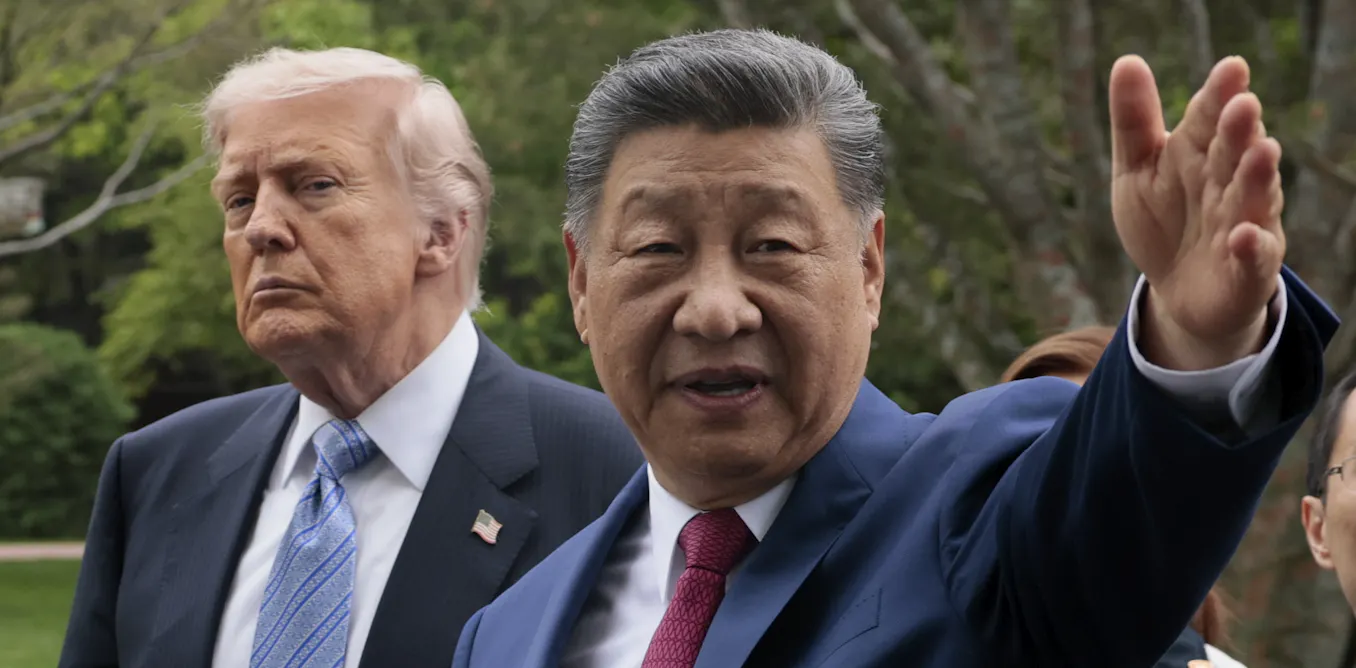
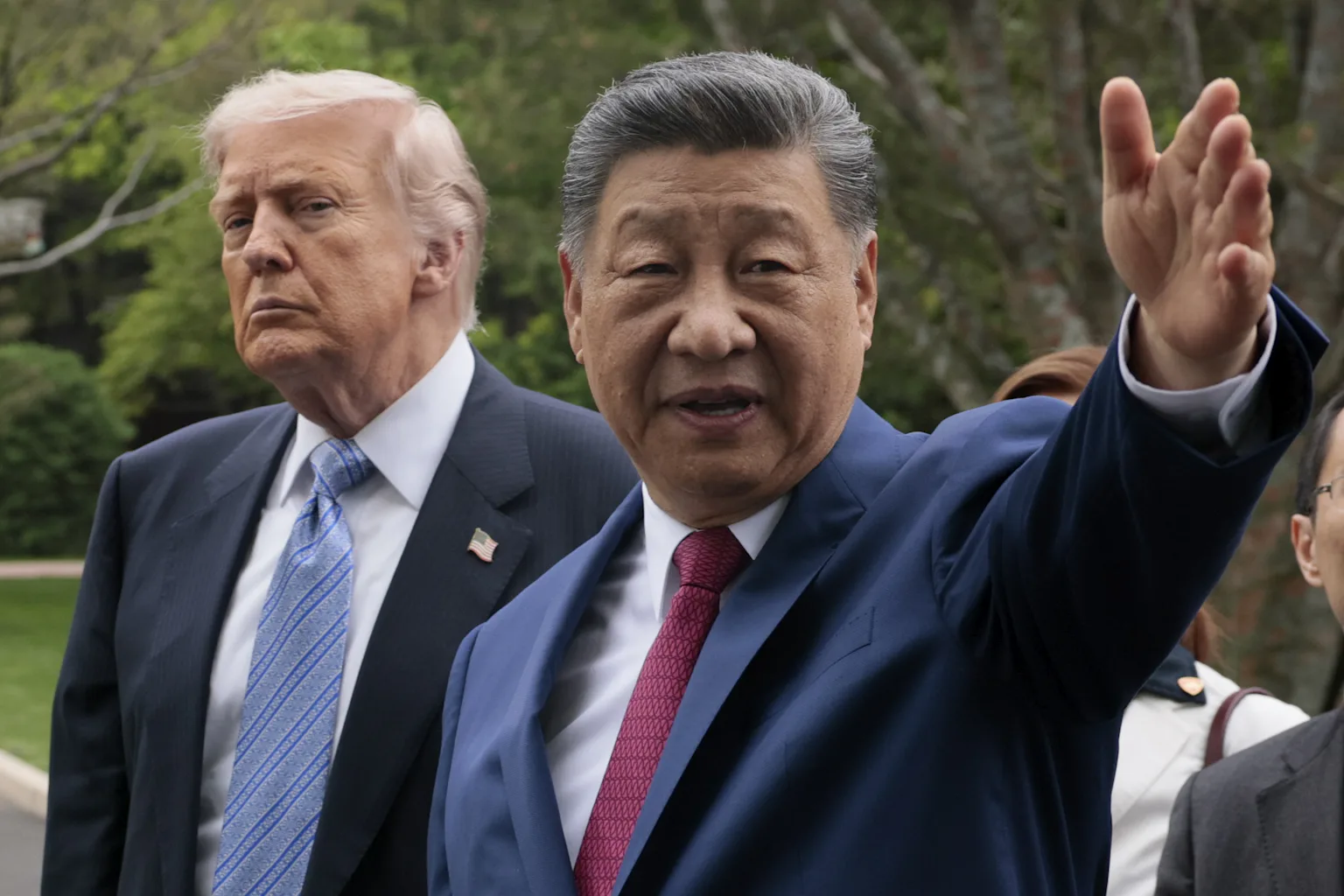
Trump and Xi will focus on trade, technology, and Taiwan when they meet on September 24. These same three topics dominated their last meeting in May 2026.
Trade deal likely to renew
Last year in Busan, Trump and Xi agreed the U.S. would ease tech export controls and cut tariffs on Chinese goods, while China protected rare earth mineral supplies. That pact is up for renewal and both sides probably want to continue it.
Board of Trade still vague
Both sides have proposed creating a Board of Trade to assess non-sensitive U.S.-China business interests, but details remain unclear. Business leaders want to know how comprehensive and lasting the arrangement will be.
Chinese CEOs to match U.S. leaders
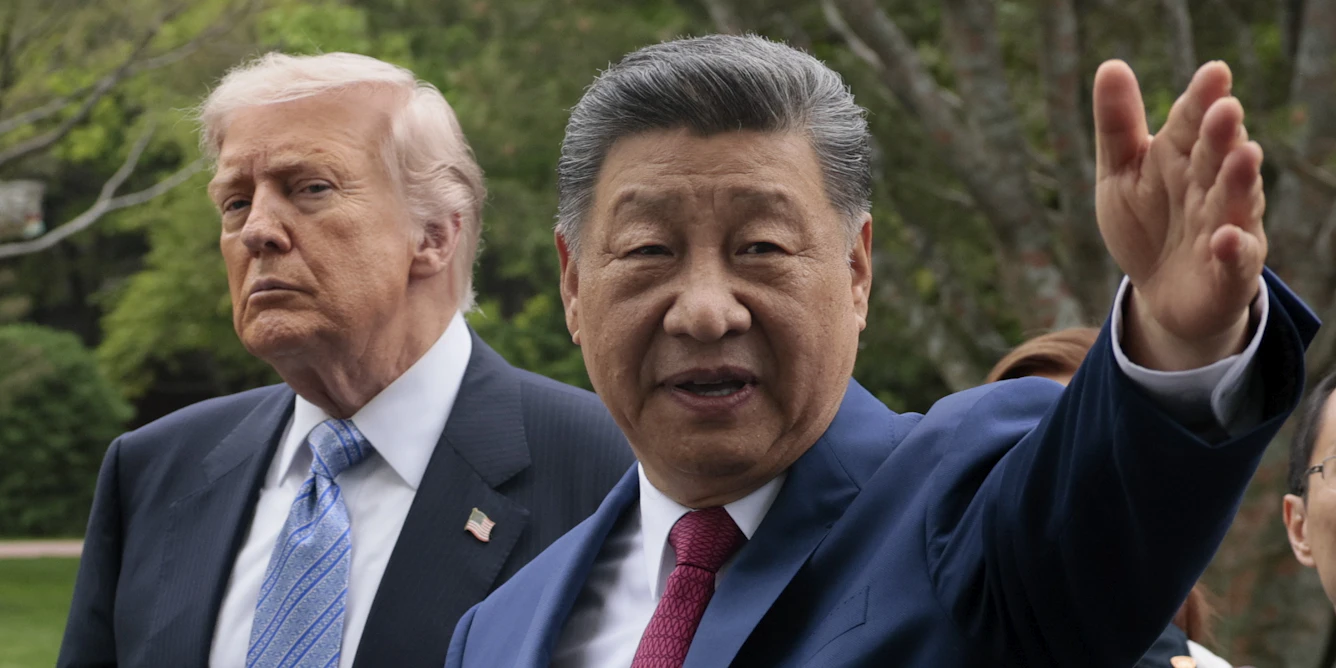
China has proposed bringing major Chinese CEOs to the summit to match U.S. business leaders like Nvidia's Jensen Huang and Tesla's Elon Musk, who accompanied Trump to Beijing in May.
Taiwan remains the hardest issue
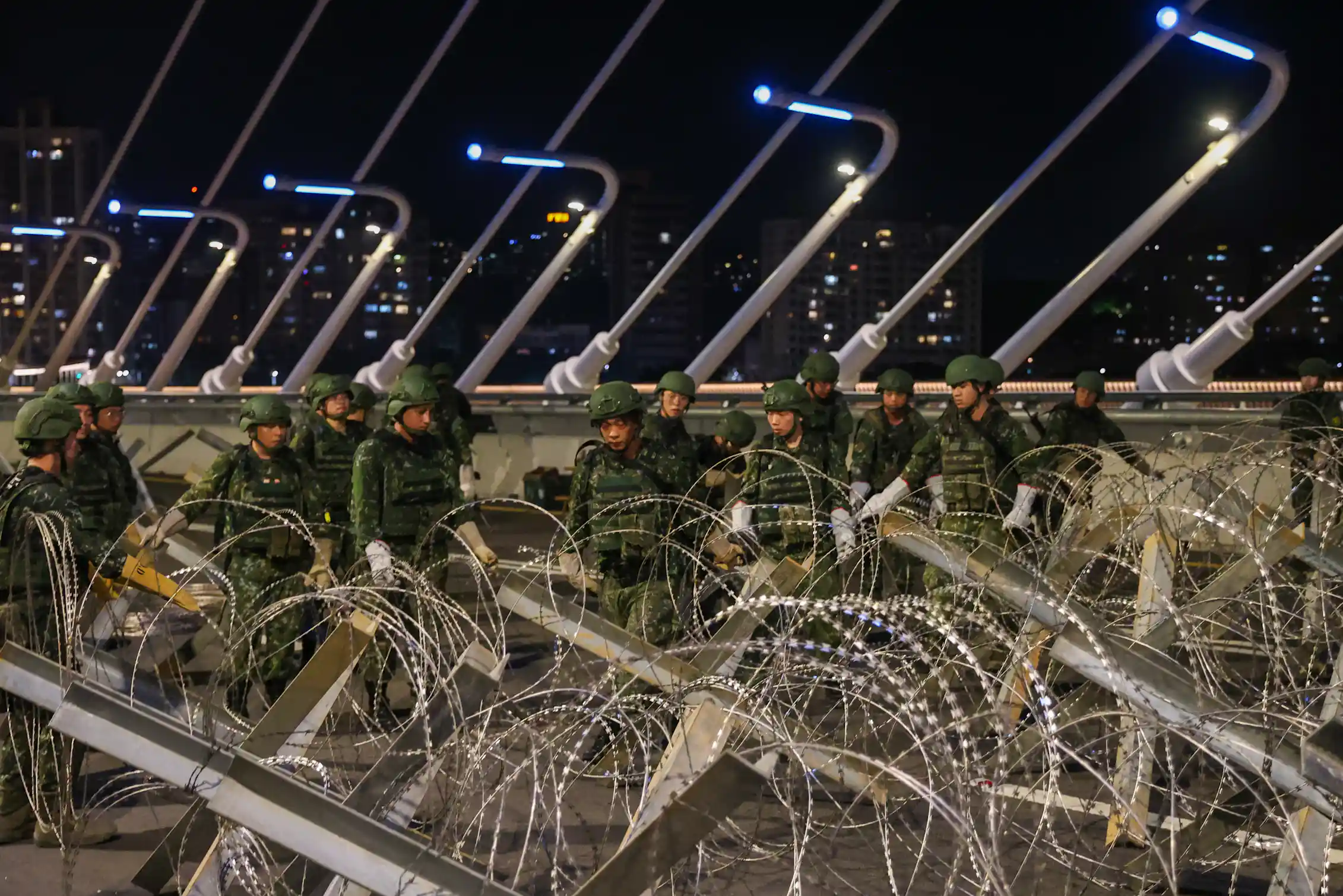
Trump has been less willing than his predecessor to commit to defending Taiwan if Beijing invades, reasserting strategic ambiguity instead. Little discussed at this summit will likely determine Taiwan's outcome.
Taiwan's 2028 election is crucial
Taiwan's presidential election in January 2028 could be more important for the island's future than this summit. A China-friendly opposition party winning, or an isolationist U.S. president taking office, would shift the balance significantly.
China building military capacity
Beijing continues expanding the People's Liberation Army's naval capacity to maintain the option of military action against Taiwan. But it prefers economic pressure and political change within Taiwan over direct conflict.
AI regulation is new priority
Artificial intelligence has become urgent since the leaders last met. Both sides agreed in May that talks about AI regulation might be possible, and on September 20 they proposed a hotline to notify each other of AI national security risks.
U.S. fears unregulated AI
Between May and September, U.S. concerns about AI have grown, creating an unfriendly atmosphere toward unregulated development. Voters worry about data centers, and policymakers fear rogue AI companies causing social disruption.
China fears AI losing control
China's public sentiment about AI is less hostile, but Beijing has deep concerns about losing control of the technology. Xi's formative experience during China's Cultural Revolution makes him particularly wary of anything that could undermine Communist Party leadership.
“"Out of control" is a kryptonite phrase for the leadership of the Chinese Communist Party.”
Competition limits AI progress
Despite mutual concerns about AI, the real competition between the U.S. and China means neither side will make concessions that could advantage the other. Trust remains very low, so talks about talks are the most likely outcome.
Dialogue itself is the victory
The summit matters less for policy breakthroughs and more for maintaining dialogue between the world's two most powerful countries. Meeting four times in half a year is positive; refusal to meet would be far more worrying.
“To meet four times in just over half a year is a good sign; refusal to meet would be much more worrying.”
The one thing
While Trump and Xi will meet to discuss trade, technology, and Taiwan, fundamental disagreements mean expect dialogue rather than major policy shifts.





