From The Conversation · Markus Schneider · · 1m 50s
US inequality worsening in unexpected ways
Wealth gaps widen as tax cuts and energy costs hurt middle class.
In brief
Wealth gaps widen as tax cuts and energy costs hurt middle class. US wealth inequality rises as tax policies and energy costs disproportionately burden middle class. Originally reported by The Conversation.
Wealth surge for billionaires
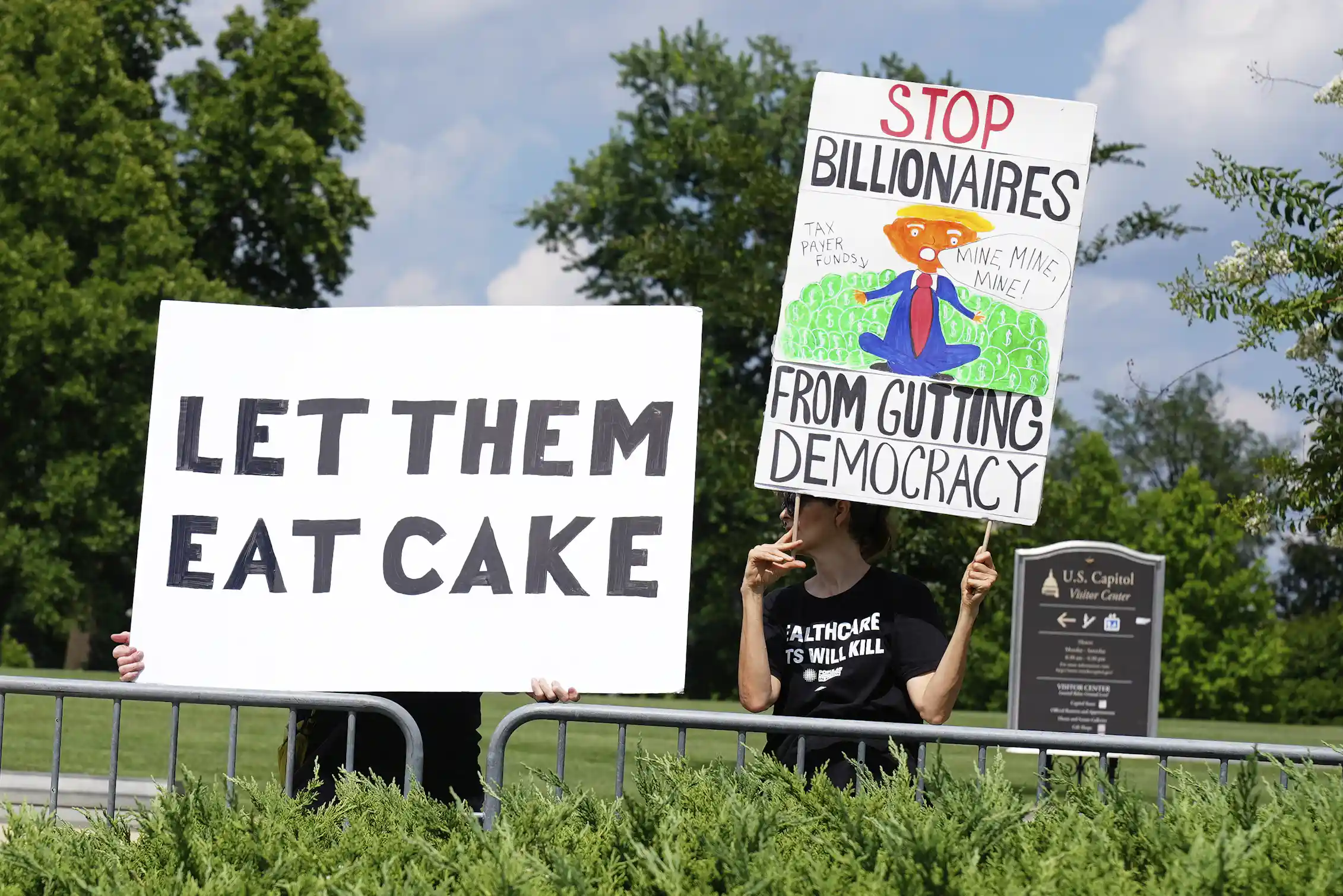
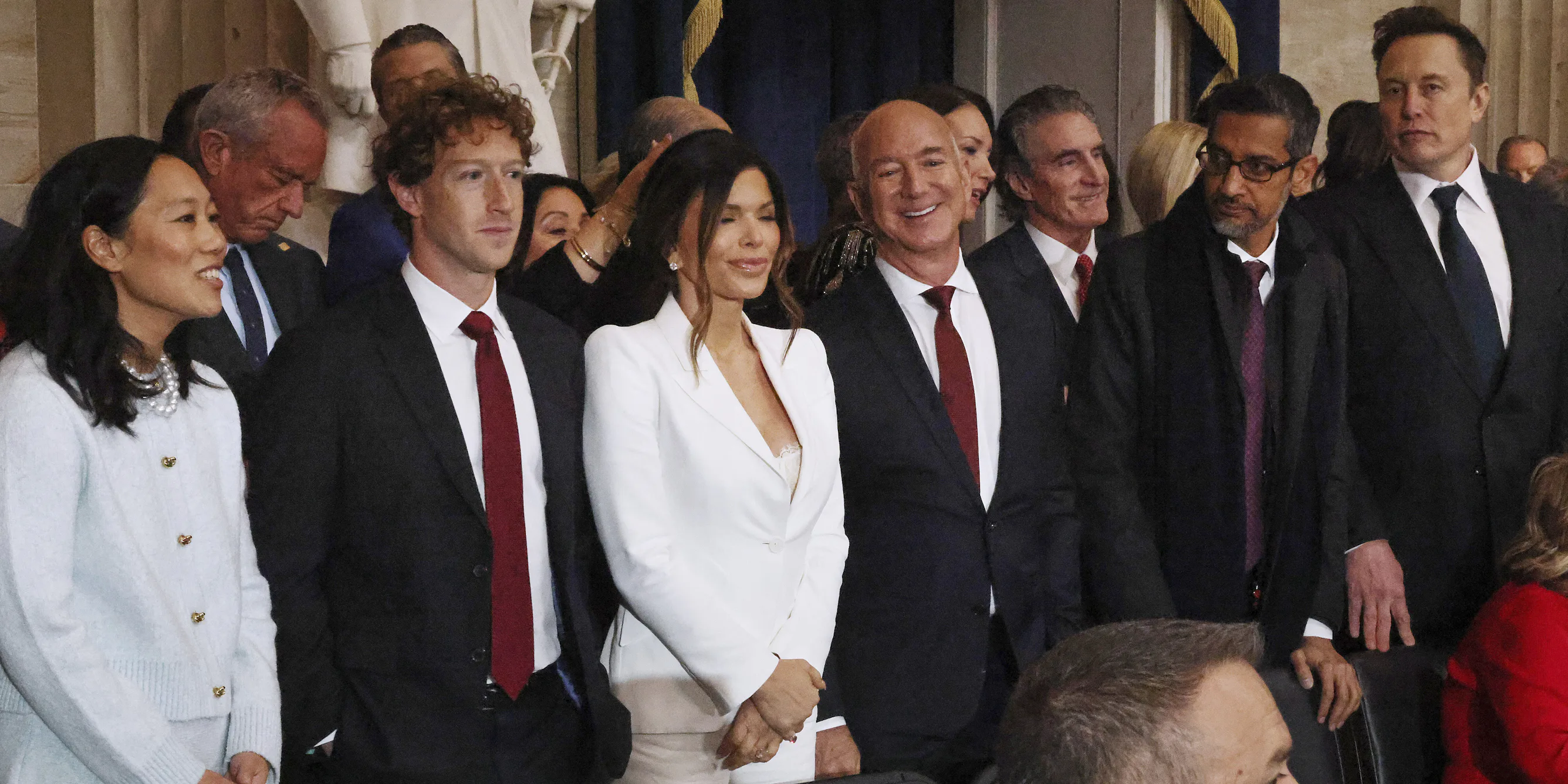
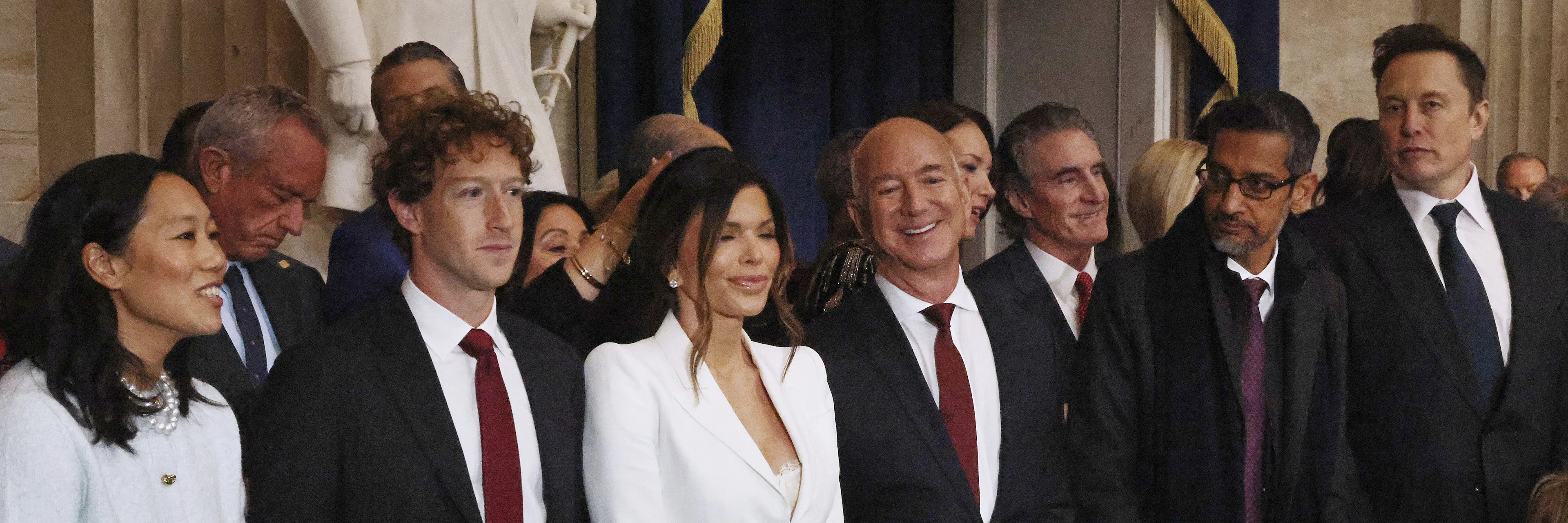
Billionaires like Mark Zuckerberg, Jeff Bezos, Sundar Pichai and Elon Musk saw their wealth soar thanks to stock market booms and tax changes.
Rising inequality concerns
A Pew Research survey from October 2026 found 6 in 10 Americans, including 4 in 10 Republicans, believe US inequality is too high.
Wealth concentration trends
The top 1% saw their wealth share jump from 31.7% to 32.5% between first and second quarters of 2026, a gain of over $8.5 trillion.
Middle class shrinking share
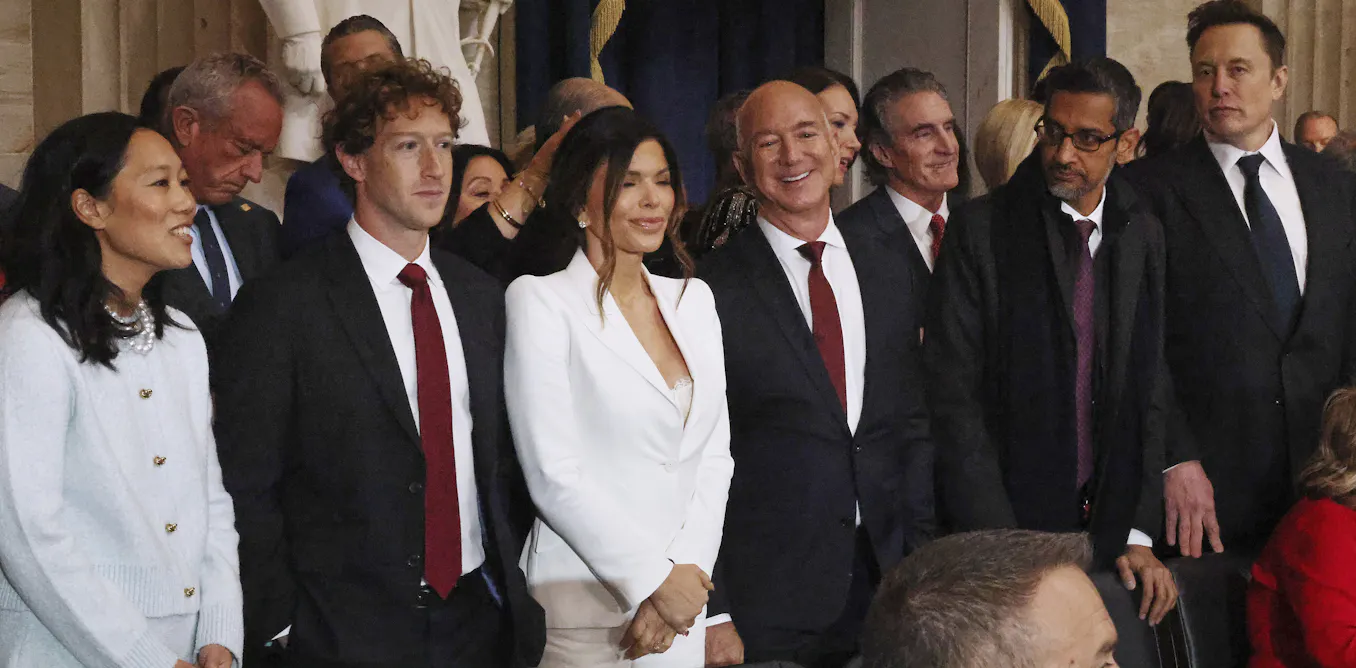
The middle class holds only 28.8% of all wealth despite being 40 times larger than the top 1%, with their share falling from 32.9% in 1999.
Ultra-wealthy pulling away
The top 0.1% own 15% of all wealth, almost half of the top 1%'s wealth, and captured two-thirds of recent gains.
Corporate profits boost
The top 0.1%'s wealth is disproportionately boosted by corporate profits, which are up sharply overall.
Tax code changes
Since Reagan's tax cuts in the 1980s, US tax code has become less progressive through policy changes supported by both parties.
Trump tax bill effects
Republicans passed Trump's sweeping tax bill in 2025, including permanent tax cuts for the wealthy and lower corporate tax rates.
Healthcare subsidy lapse
Trump's 2025 legislation allowed federal healthcare subsidies through ACA to lapse, expected to drop ACA signups by 5 million.
Energy costs impact
Oil prices rose sharply since February 2026 conflict with Iran, disproportionately hurting low and middle-income consumers.
Tariff effects
Tariffs have raised prices for consumer goods by 2.9% instead of lowering them by 1% without tariffs.
What to remember
US wealth inequality rises as tax policies and energy costs disproportionately burden middle class.