From The Conversation · Madelyn Whitaker · · 1m 20s
Water reports miss hidden health risks
Annual water quality reports don’t show all health threats in drinking water.
In brief
Annual water quality reports don’t show all health threats in drinking water. Annual water reports miss hidden health risks like PFAS and Legionella. Originally reported by The Conversation.
What’s in tap water
Tap water contains natural minerals, dissolved organic matter, and substances from agriculture, industry, and water treatment.
Essential minerals in water
Sodium, fluoride, and calcium ions in water build strong bones and teeth and balance electrolytes.
Demineralized water risks
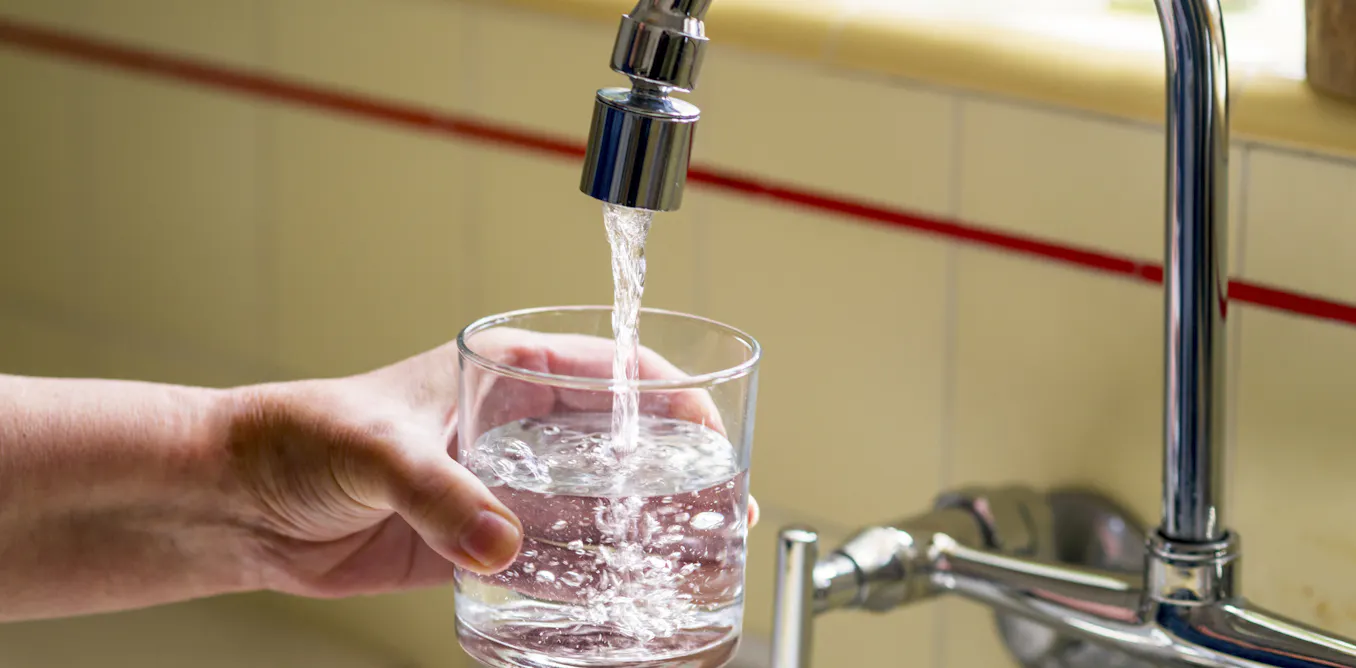
Drinking large quantities of demineralized water can disrupt electrolyte balance and cause hyponatremia.
Annual water reports
Local water companies publish annual reports listing detected compounds and whether water meets government safety standards.
Hidden water pollutants
PFAS chemicals, called 'forever chemicals', persist in the environment and are linked to cancer and endocrine disruption.
PFAS detection challenges

Federal standards limit two common PFAS to 4 parts per trillion, but many others are less understood and missed by the public.
Pharmaceutical and agricultural risks
Pharmaceutical residues and pesticides enter waterways, breaking down into new compounds that affect health long-term.
Disinfection byproducts
Chlorine in water treatment forms carcinogenic disinfection byproducts like trihalomethanes.
Legionella disease risk
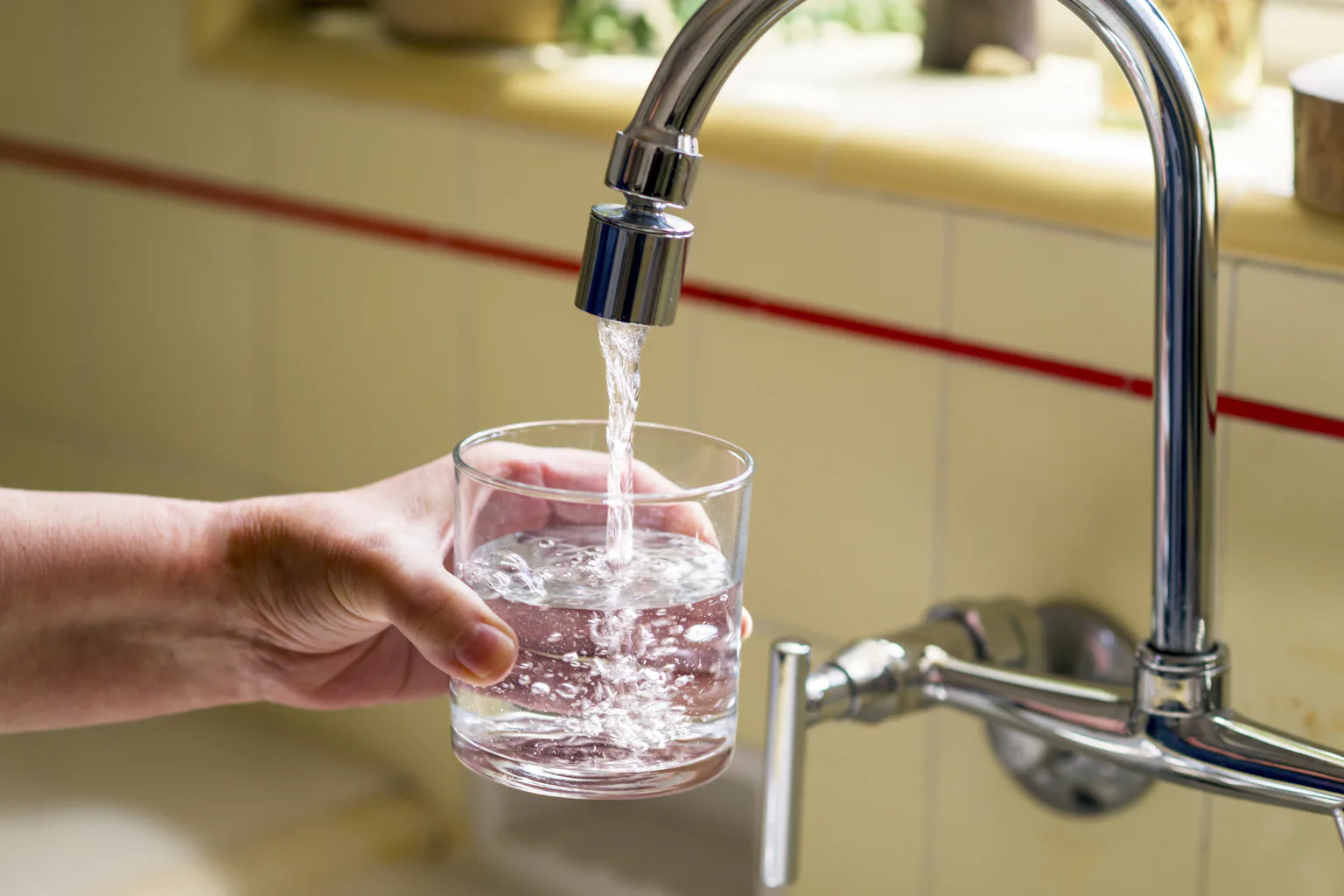
Stagnant pipes can harbor Legionella bacteria, causing Legionnaires’ disease through water vapor inhalation.
Flint water crisis
Flint, Michigan’s 2014 water crisis involved lead contamination from pipes due to inadequate water treatment.
What to remember
Annual water reports miss hidden health risks like PFAS and Legionella.
Read the TL;DR — this story on one card.