From The Conversation · Sarah E. Patterson · · 3m
When dementia care exposes family fault lines
Dementia caregiving amplifies family tensions, but advance planning and support can help families navigate the strain.
In brief
Dementia caregiving amplifies family tensions, but advance planning and support can help families navigate the strain. Plan ahead for dementia care with legal documents and clear conversations while the person can still participate, and don't hesitate to seek community support and respite care. Originally reported by…
Dementia changes how families interact
Dementia impairs memory, language and sometimes personality, profoundly changing how a person relates to loved ones. These changes can expose longstanding family tensions that were previously hidden.
“Families are messy, aren't they?”
More Americans will face dementia care
Over 5 million U.S. adults age 65 and older currently have dementia, expected to reach 13 million by 2060. More than a third of extended families include an older adult with dementia.
One in five older adult caregivers is dementia-related

In 2022, over 5 million family caregivers provided care for an older adult with dementia. That's 1 out of every 5 people caring for an older adult in the U.S.
Family structures are changing caregiving
Smaller families, more geographic distance, and increased family estrangement mean fewer people are available to provide care. More caregivers are now age 65 and older themselves, and more men and friends are stepping in.
Dementia amplifies family expectations
Americans feel families have greater responsibility to care for relatives with dementia than those with physical illness. These high expectations can clash with old family disagreements and unresolved tensions.
Unresolved family history complicates care

Some caregivers feel compelled to provide care despite difficult family histories, like a son caring for a father who didn't care for him as a child. Shrinking families leave some with no choice but to provide care.
Plan ahead for dementia care
Many caregivers felt thrown into their roles because older relatives didn't make advance plans. Legal arrangements like healthcare directives and wills, plus clear decisions about who provides care, reduce stress and uncertainty.
Include the person in care conversations
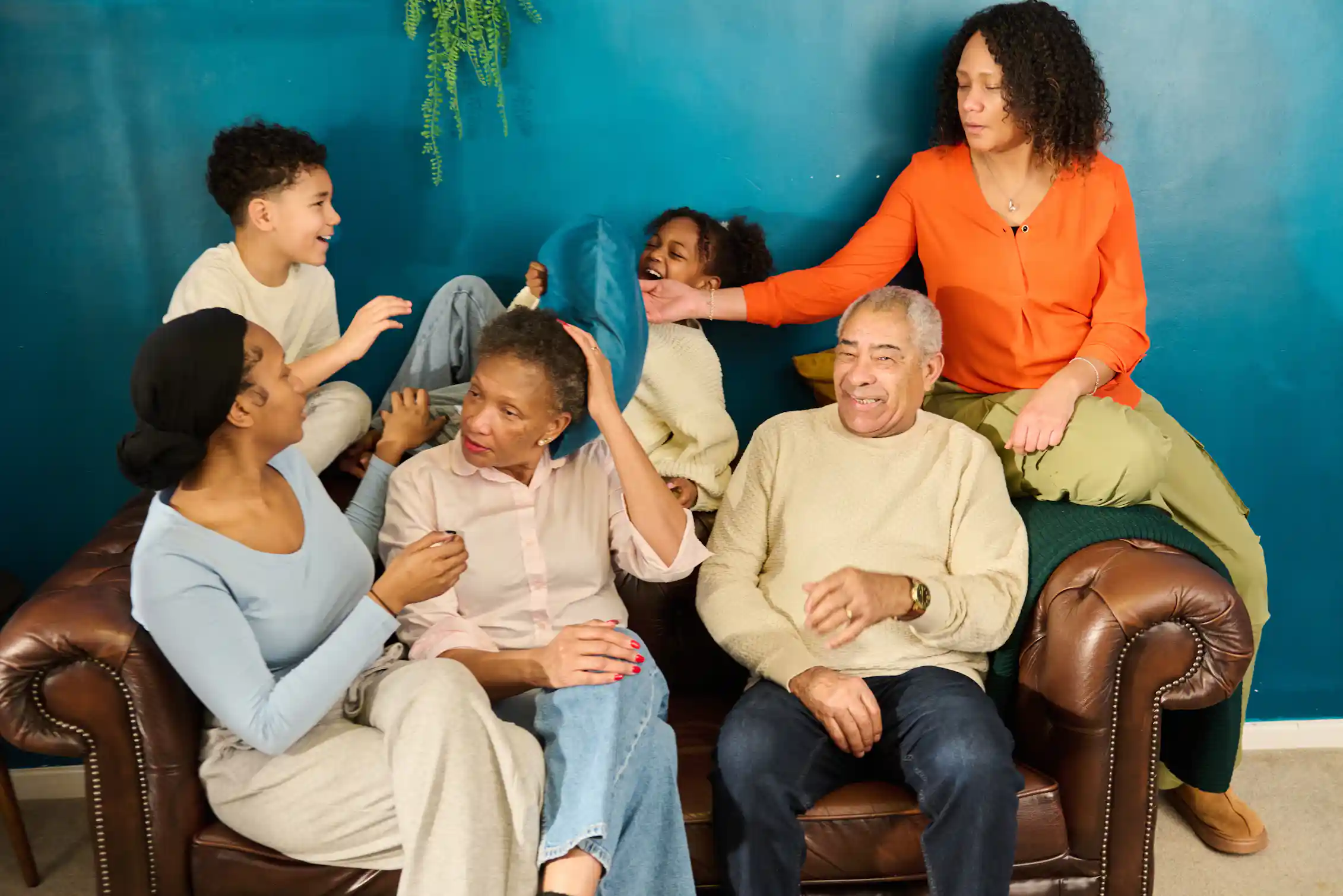
Caring for someone with dementia requires negotiation, communication and flexibility. It's important to continue including the older adult in conversations about their care even as their disease progresses.
Respite care gives caregivers relief
Support groups and respite care programs give caregivers time away and help them feel less alone. Many families are unaware these programs exist, so start by contacting your local Area Agency on Aging.
Build community around dementia care
Local dementia-friendly programming provides outings and activities while connecting caregivers with others facing similar challenges. Support groups help families navigate varying family dynamics and histories.
Caregiving often supports multiple family members

One caregiver's efforts for a grandmother also supported her mother, the main caregiver. Care networks function best when family members communicate openly about roles and responsibilities.
The takeaway
Plan ahead for dementia care with legal documents and clear conversations while the person can still participate, and don't hesitate to seek community support and respite care.