From The Conversation · Jean Liew · · 2m
Why fiber matters and how to eat more
Americans aren't getting enough fiber despite proven health benefits. Here's what science says about adding it to your diet.
In brief
Americans aren't getting enough fiber despite proven health benefits. Here's what science says about adding it to your diet. There's no one-size-fits-all approach to fiber. Find what works for your body by trying different sources and increasing intake slowly. Originally reported by The Conversation.
Americans are missing fiber
Only 4% of U.S. adults meet the recommended daily fiber intake of 25 grams for women and 38 grams for men. The average American gets about 16 grams a day.
High fiber protects your health
Research shows high-fiber diets lower the risk of cardiovascular disease and colorectal cancer, and improve arthritis symptoms.
Fiber is confusing right now
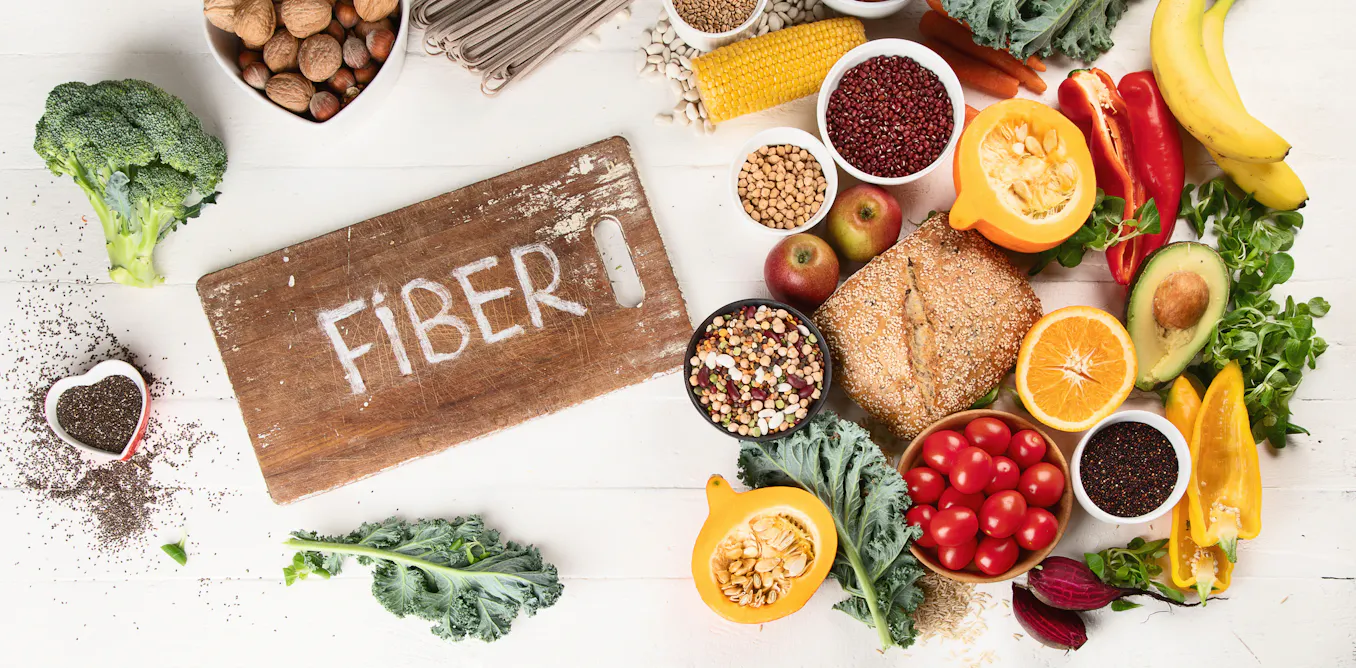
Fiber has become a viral health trend, but the 2025 American dietary guidelines downplay it by placing high-fiber whole grains at the bottom of the food pyramid.
What fiber actually is
Dietary fiber refers to carbohydrates your body can't digest. It comes from whole foods like raspberries, avocados, oats, and lentils, or from supplements like psyllium husk powder.
Not all fiber is equal

Viscous fibers like psyllium form a gel that makes you feel fuller and can lower cholesterol and blood pressure. Fermented fibers are processed by gut bacteria to reduce inflammation.
Fiber and probiotics work differently

Fiber feeds your existing gut bacteria. Probiotics like yogurt and kimchi add new bacteria to your gut. A 2021 study found high-fiber diets made gut bacteria more efficient, while fermented foods increased bacterial diversity.
Cost and comfort are real barriers
High-fiber whole foods like berries can be expensive. Highly fermentable fibers often cause bloating and discomfort, especially if you're not used to them.
Increase fiber slowly and steadily
Add fiber gradually to let your body adjust, and drink plenty of water. Try different sources to find what works for you. Some people reach their goals with whole foods alone, others need supplements.
“There is no one-size-fits-all healthy diet.”
Science still has gaps
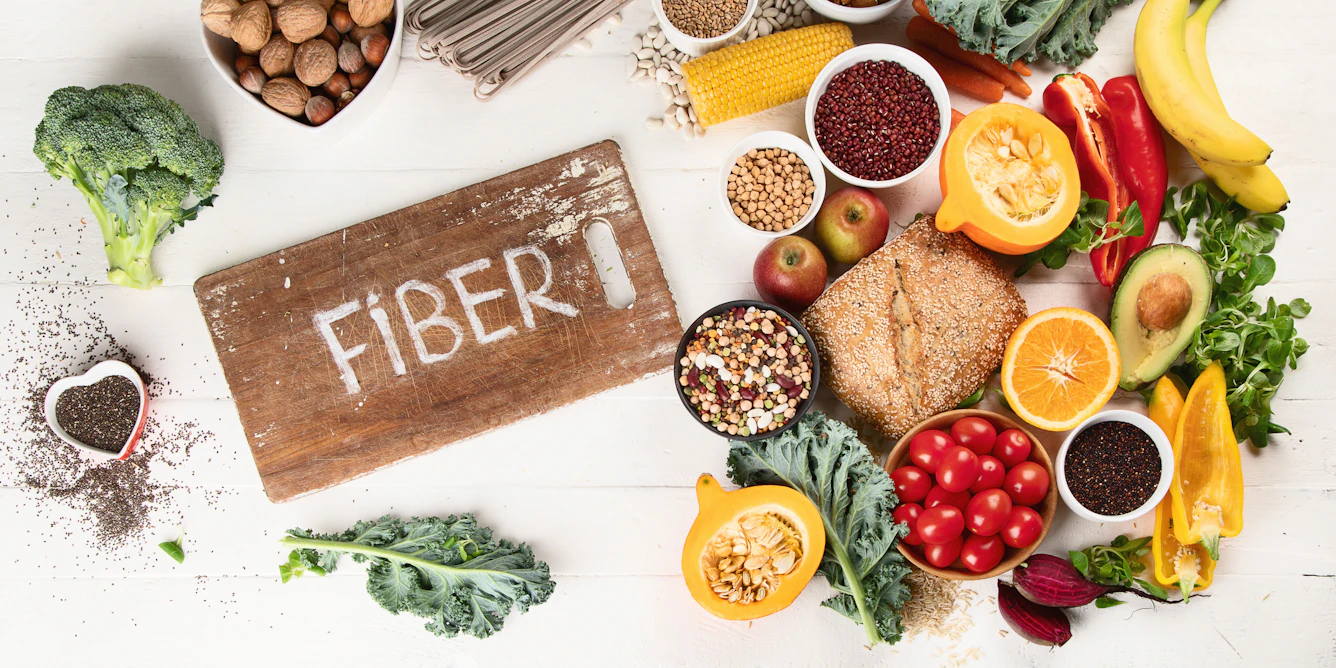
While small clinical trials show fiber benefits, larger studies are needed to determine the right types, doses, and combinations for different health conditions. Funding has been a major obstacle.
The real problem is access
Scientists already know fiber's confirmed health benefits. The gap now lies in making high-fiber foods affordable and accessible to more people, and educating the public.
The headline
There's no one-size-fits-all approach to fiber. Find what works for your body by trying different sources and increasing intake slowly.