From The Conversation · Christopher Miller · · 1m 20s
Why GOP Voter Fraud Claims May Backfire
Republican voter fraud messaging risks alienating voters by spreading distrust in elections.
In brief
Republican voter fraud messaging risks alienating voters by spreading distrust in elections. Republican claims of widespread voter fraud could reduce turnout among their base as voters see no positive outcome to affirm. Originally reported by The Conversation.
Election 2026 and voter turnout
With Election Day 2026 approaching, control of Congress hinges on voter turnout.
Republican voter fraud strategy
The Republican Party has bet strongly on convincing people voter fraud is rampant.
Voter fraud reality

Voter fraud is not a real problem in the United States, with noncitizen voting at minuscule levels.
Trump administration claims
Homeland Security Secretary Markwayne Mullin claimed Nevada had nearly 16,000 noncitizens on voter rolls.
Congressional rhetoric
A substantial number of Republican members of Congress frequently undermine democratic norms.
Voter confidence in elections
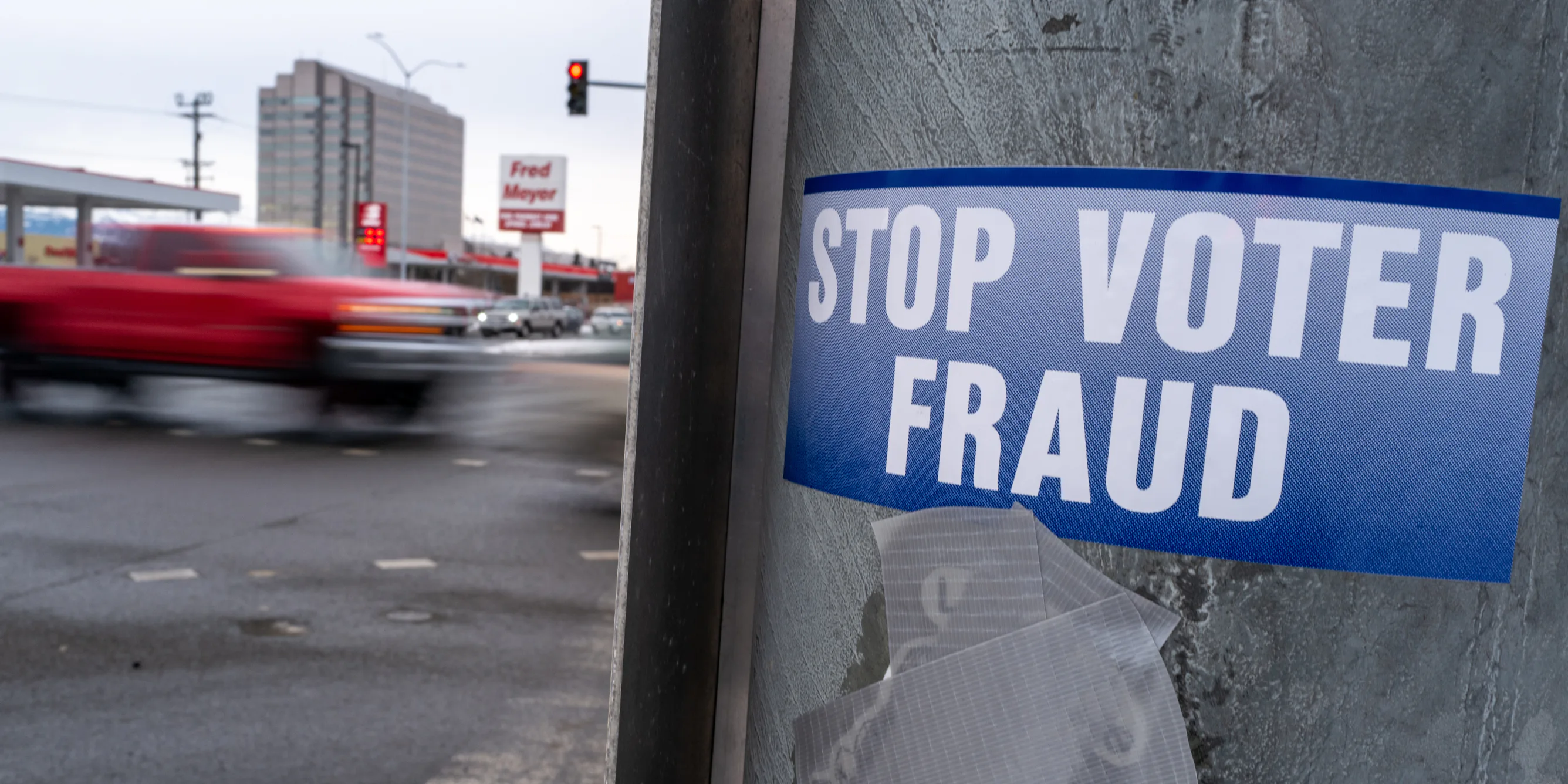
Only 65% of Republicans, 64% of Democrats, and 57% of independents trust election results.
Civic duty and voter motivation
A sense of civic duty is the strongest predictor of voting behavior, surpassing trust and partisanship.
Republican voter response
50% of Republicans distrust mail-in voting, and 51% fear voting by noncitizens.
Democratic voter response
Democrats are less likely to believe voter fraud claims but more motivated to counter them.
What happens next
Clear election outcomes could help voters understand how the system works and boost future turnout.
The short version
Republican claims of widespread voter fraud could reduce turnout among their base as voters see no positive outcome to affirm.