From The Conversation · Andrew Monteith · · 1m 30s
Why lupus patients get infections despite overactive immunity
Chronic inflammation pushes immune cells toward the wrong kind of response, leaving people vulnerable to bacteria.
In brief
Chronic inflammation pushes immune cells toward the wrong kind of response, leaving people vulnerable to bacteria. In lupus, inflammation misdirects immune cells to produce fast but weak antibacterial responses instead of effective ones. Originally reported by The Conversation.
The lupus paradox
People with lupus have overactive immune systems but still struggle to fight bacterial infections. Chronic inflammation pushes their immune cells toward the wrong response.
Neutrophils release DNA traps
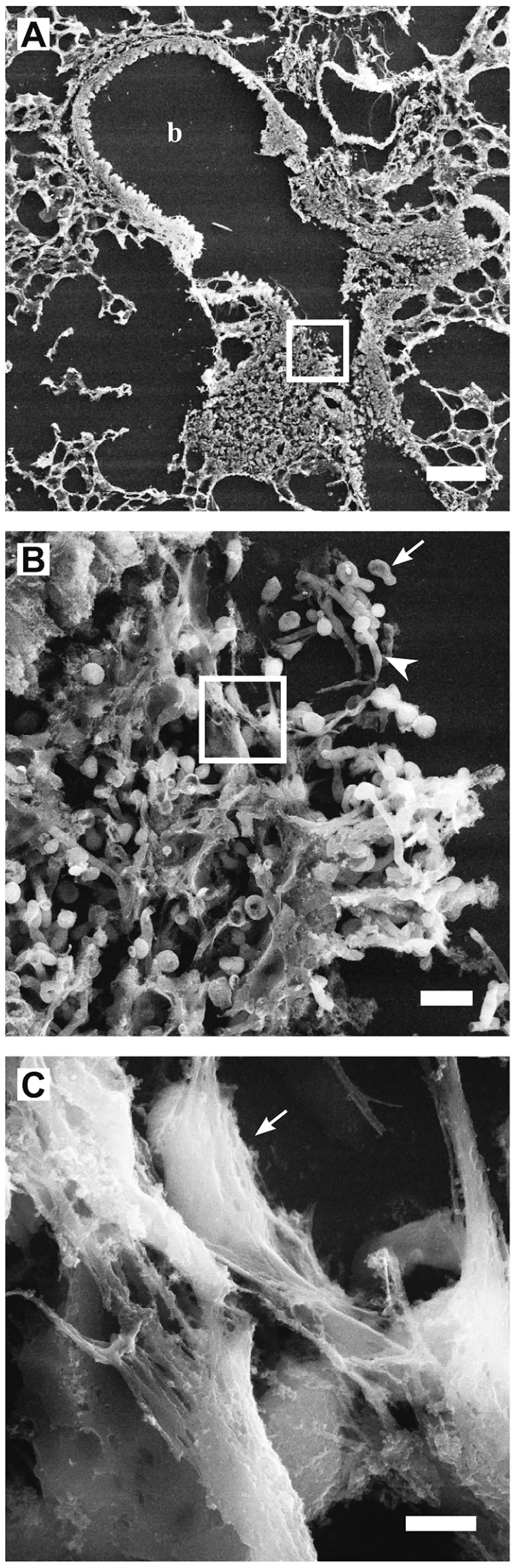
Neutrophils are white blood cells that release webs of DNA and antimicrobial proteins called NETs. These traps catch bacteria, limiting their spread and killing them.
Not all traps work equally
The body produces NETs through different pathways, and they don't all work the same. Healthy neutrophils sense bacterial lactate to trigger effective traps.
Inflammation misdirects the response
In lupus, inflammatory molecules interfere with antibacterial responses. They push neutrophils toward faster but less effective traps that spare the cell but don't kill bacteria well.
“The result is not an immune system that is weak, but an immune response that is highly active but misdirected.”
Infection is a major concern

Serious infections are a major problem for lupus patients. Some risk comes from immune-suppressing medications, but the disease itself alters how immune cells function.
Standard treatments may help
Current lupus treatments can correct specific defects in neutrophil pathways. This suggests existing therapies might address immune defects that contribute to infection risk.
The type of NET matters
Researchers are now studying how different types of NETs affect disease and infection. Understanding which kinds are protective or harmful could explain why patients respond differently to treatment.
The essence
In lupus, inflammation misdirects immune cells to produce fast but weak antibacterial responses instead of effective ones.




