From The Conversation · Eric Vanden Eykel · · 1m 40s
Why People Seek Noah's Ark in Turkey
A Turkish rock formation has sparked decades of debate over whether it holds Noah's Ark remains.
In brief
A Turkish rock formation has sparked decades of debate over whether it holds Noah's Ark remains. A boat-shaped geological formation in eastern Turkey has been linked to Noah's Ark for nearly 70 years, but geologists confirm it is natural, not man-made. Originally reported by The Conversation.
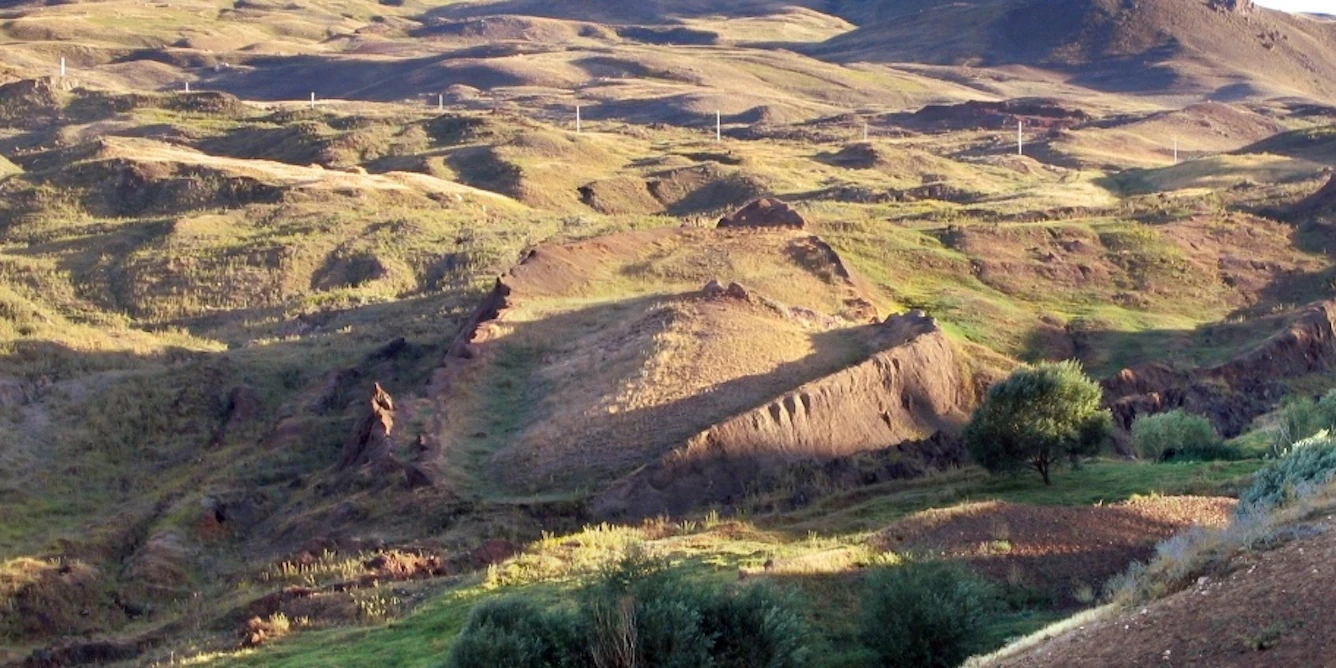
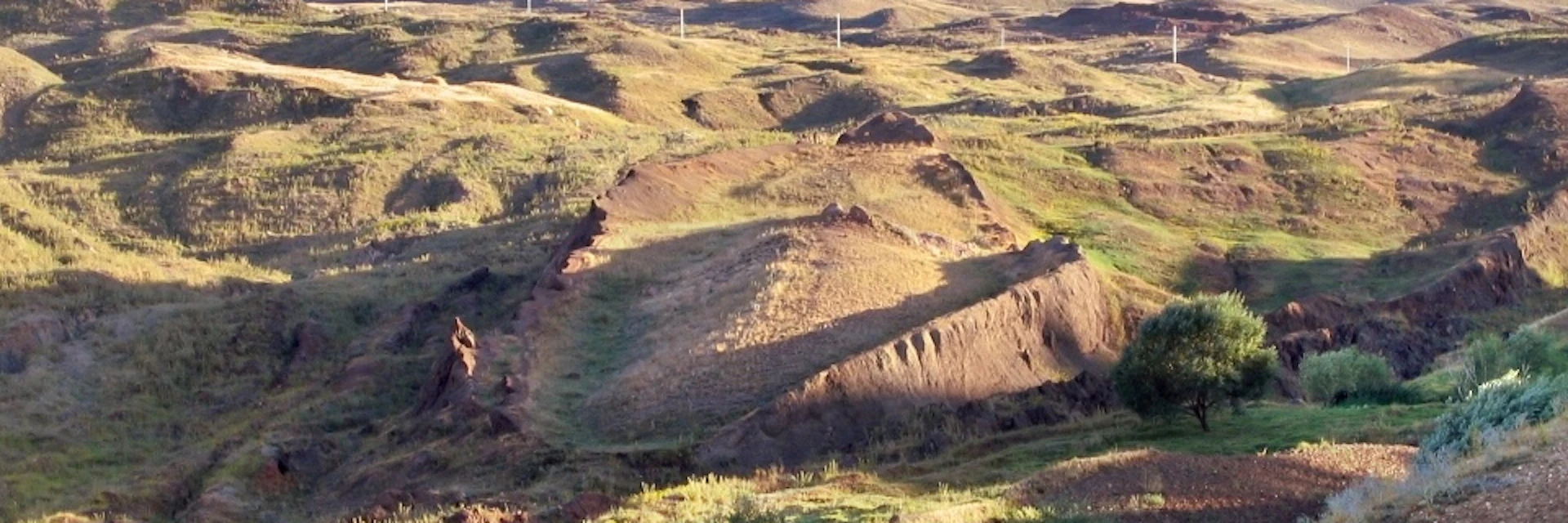
Durupınar Formation
A boat-shaped geological formation in eastern Turkey has been linked to Noah's Ark for nearly 70 years.
“Some people believe the Durupınar formation is the fossilized remains of Noah’s Ark.”
Research Team
A team from Sivas Cumhuriyet University in Turkey is investigating claims the formation contains Noah’s Ark remains.
“A team of researchers from Sivas Cumhuriyet University in Turkey is investigating a long-standing claim: that a boat-shaped geological formation in the country’s east contains the remains of Noah’s Ark.”
Biblical Context
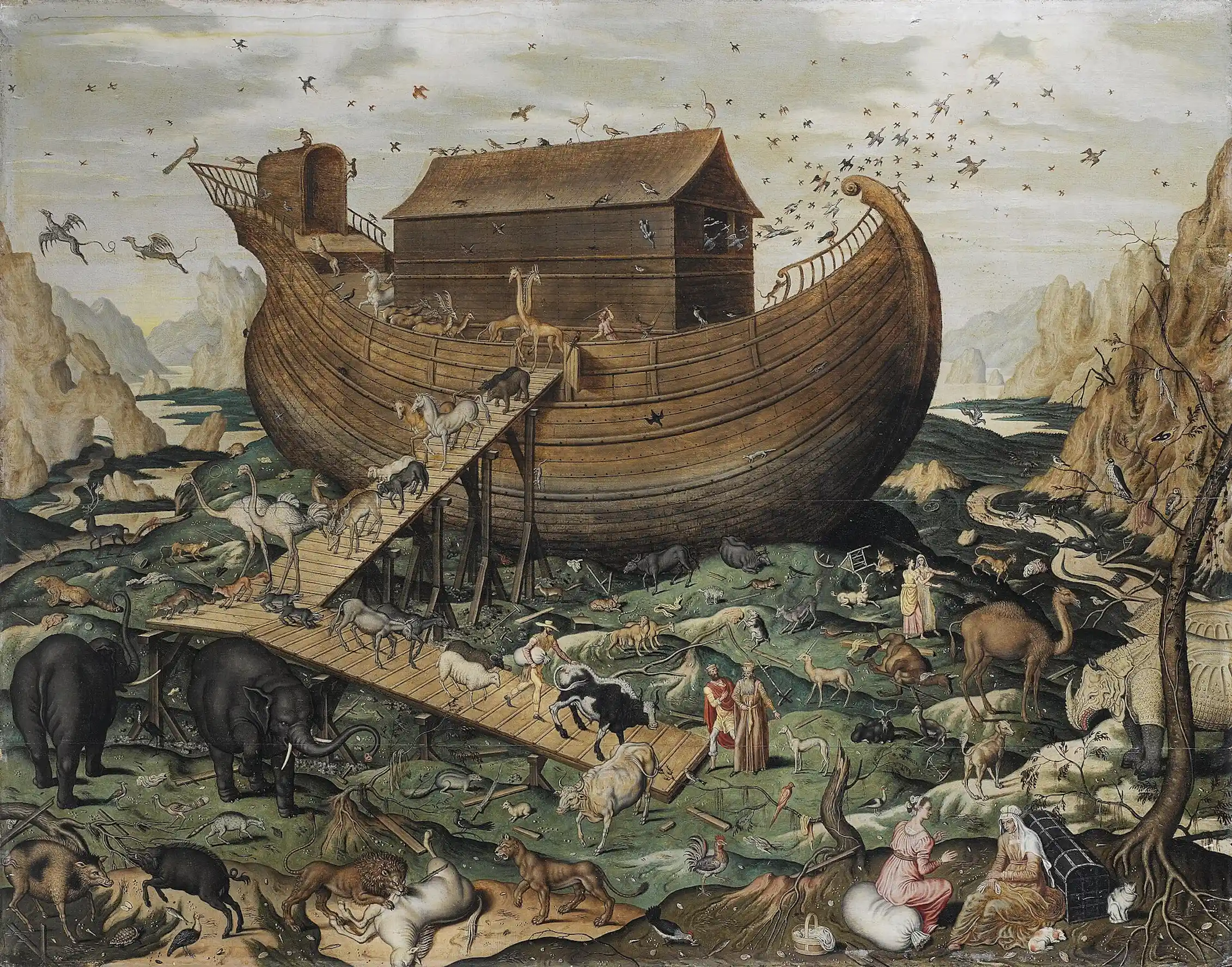
In Genesis, God destroys the world with a flood and Noah builds an ark to save animals and humans.
“In the biblical Book of Genesis, God decides to destroy the world with a flood. Following God’s instructions, Noah builds an ark, a large wooden vessel, to save himself, his family and animals of every kind.”
Durupınar's History
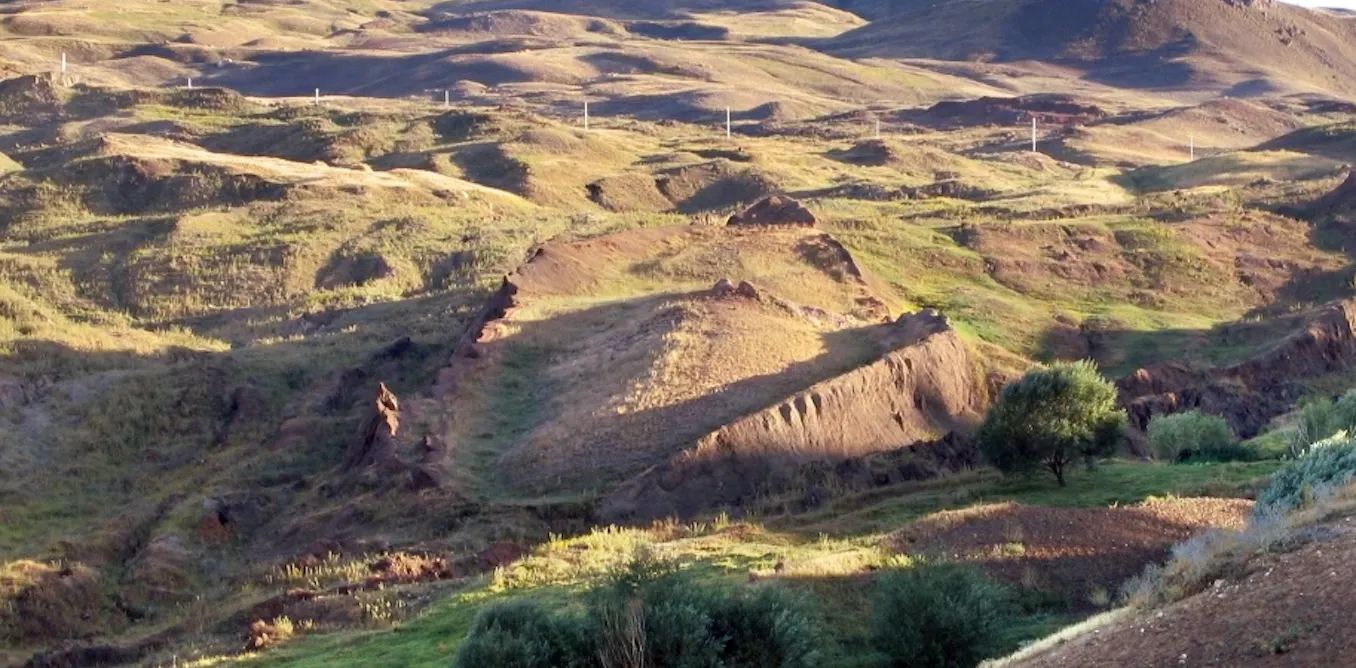
Turkish Army captain İlhan Durupınar noticed the formation’s boatlike shape in 1959 and linked it to Mount Ararat.
“The Durupınar formation takes its name from the Turkish Army captain İlhan Durupınar, who noticed the formation’s boatlike shape while examining aerial photographs of the region in 1959.”
1960 Expedition
A 1960 expedition found no evidence the formation was man-made, concluding it was a natural geological feature.
“The expedition was the subject of a short article in the Sept. 5, 1960, issue of LIFE magazine. The article noted that while one member of the expedition remained skeptical on whether nature alone could be responsible for a shape like this, the surveys conducted ultimately 'revealed no sign that the object was man made.'”
Ron Wyatt's Claim
Nurse anesthetist Ron Wyatt claimed the formation was Noah’s Ark using radar scans and petrified wood evidence.
“While at the site, Wyatt conducted a series of tests and eventually claimed that the formation was actually the remains of Noah’s Ark.”
David Fasold's Book
David Fasold published a book in 1988 arguing the formation was Noah’s Ark but later retracted his claim.
“In 1988 Fasold published a book in which he argued that the Durupınar formation was Noah’s Ark.”
Geological Analysis
Geologists confirm the formation is natural, not man-made, with no evidence of wooden ship structures.
“Geologist Murat Avcı identifies the boat-shaped feature as a large block of limestone that moved downslope in a landslide and was subsequently shaped by an earthflow and other geological processes.”
Current Research
A university team is analyzing samples for 2027, but results remain preliminary and inconclusive.
“All of the results from the most recent research project are, at the moment, still preliminary and inconclusive. Samples are waiting to be analyzed in labs, and official communications from the university say that evaluation of the evidence will continue into 2027.”
Biblical Flood Story
Genesis reshapes ancient flood myths by focusing on human corruption rather than noisy humans.
“Genesis does not simply copy these older stories; it reshapes them. In Atrahasis, noisy humans become annoying to the gods, so the gods drown them. Genesis, on the other hand, presents violence and corruption as the chief problem.”
Why the Search Continues
The search for Noah’s Ark reflects humanity’s enduring fascination with flood stories and the possibility of starting over.
“Ancient flood stories and how they changed across cultures can reveal how people made sense of catastrophe, human violence and the possibility of starting over.”
The takeaway
A boat-shaped geological formation in eastern Turkey has been linked to Noah's Ark for nearly 70 years, but geologists confirm it is natural, not man-made.