From The Conversation · Aprajita Gautam · · 1m 10s
Why small flaws make us want new things
Small imperfections trigger a desire for perfect products, costing money and sustainability.
In brief
Small imperfections trigger a desire for perfect products, costing money and sustainability. People who want flawless items replace products over minor flaws, hurting sustainability. Originally reported by The Conversation.
A scuff on your bag

People replace items with small flaws even when they still work.
Flawless items
Some people care more about having flawless products than others.
Desire for perfect products
This preference makes people set higher standards and ignore small imperfections.
Research method
17 interviews in 2023 and 540 surveys identified the desire for perfect products.
Perfection vs. perfectionism
Desire for perfect products is distinct from perfectionism.
Online experiments
402 consumers used more filters for hotels, 301 upgraded to latest iPhones.
Swapping mugs
People with flaws swapped mugs when they had dents.
Less interest in repairs
People with flaws were less likely to fix keyboards with mismatched colors.
Donating imperfect items
People with flaws donated fewer usable items with imperfections.
Wabi-sabi concept
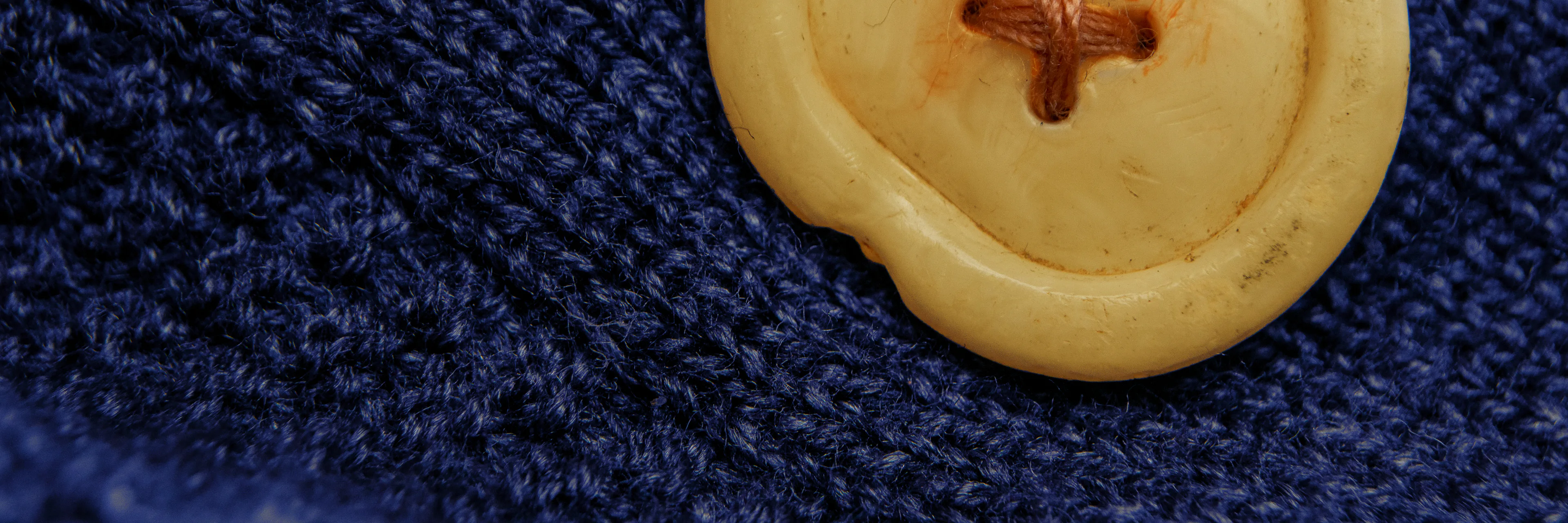
Wabi-sabi finds beauty in imperfection and change.
The short version
People who want flawless items replace products over minor flaws, hurting sustainability.