From The Conversation · Jason Bruck · · 3m
Why whale sanctuaries aren't the easy answer
When marine parks close, ocean pens seem like a fix. But science shows they're far more complicated than activists claim.
In brief
When marine parks close, ocean pens seem like a fix. But science shows they're far more complicated than activists claim. Sanctuary success depends on individual animal assessments and rigorous science, not moral conviction alone. Originally reported by The Conversation.
Quick answers
- What is a cetacean sanctuary?
- A cetacean sanctuary is an ocean net enclosure with a philosophy of no breeding, reduced human interaction, and nonprofit funding. Currently, no active cetacean sanctuaries worldwide operate under these standards.
- What is the key takeaway from Why whale sanctuaries aren't the easy answer?
- Sanctuary success depends on individual animal assessments and rigorous science, not moral conviction alone.
Marineland Canada closes, animals need homes
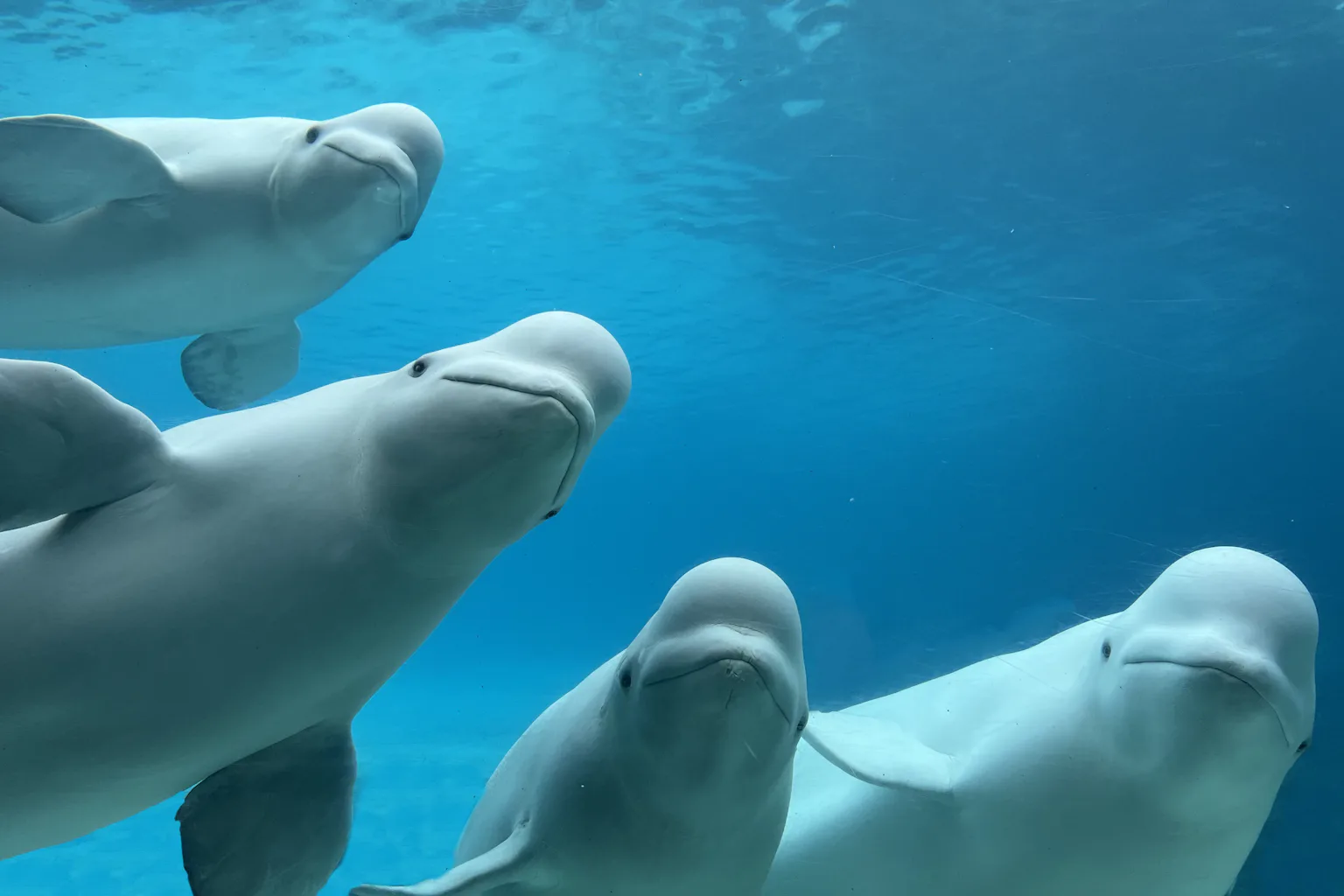
When Marineland Canada shut down in September 2024, it had 30 belugas and four dolphins with no funding for their care. The Association of Zoos and Aquariums relocated them to facilities in the United States and Spain.
Relocations led to deaths
One resident beluga and three transplanted belugas died at a U.S. facility, while one beluga died at a Spanish facility. The deaths sparked calls for ocean pen sanctuaries as a better alternative.
What is a cetacean sanctuary?
A cetacean sanctuary is an ocean net enclosure with a philosophy of no breeding, reduced human interaction, and nonprofit funding. Currently, no active cetacean sanctuaries worldwide operate under these standards.
Sanctuaries aren't automatic solutions
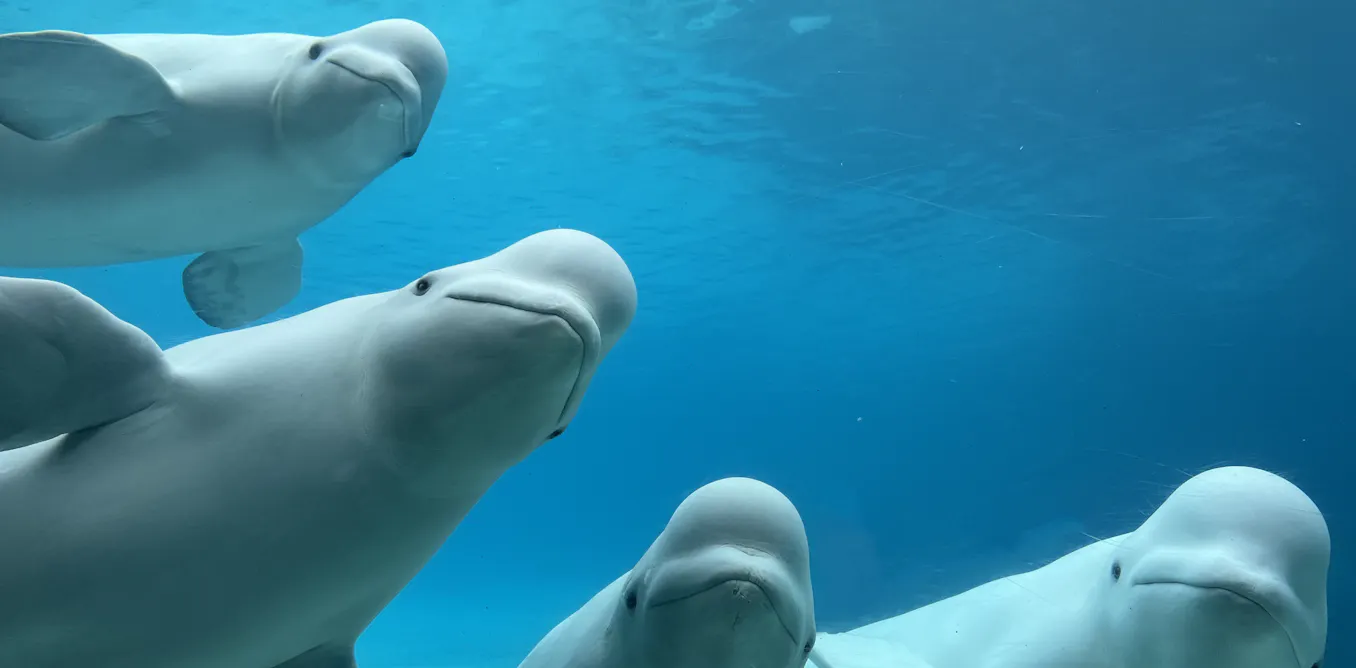
For animals born in captivity, a sanctuary isn't necessarily natural. What works for wild cetaceans may not work for those raised by humans in pools with familiar social groups and daily medical care.
A sanctuary is still captivity
Sanctuaries keep animals behind nets, dependent on people for food and veterinary care. Managers control social groups, monitor health, and respond to hazards. It's not freedom, just a different form of confinement.
Moving to ocean pens creates new challenges
Animals accustomed to pools face drastic changes: different water chemistry, ocean sounds, currents, weather, and new pathogens. They could become entangled far from rescuers, and daily veterinary care becomes difficult across 100 acres.
Welfare depends on individual factors
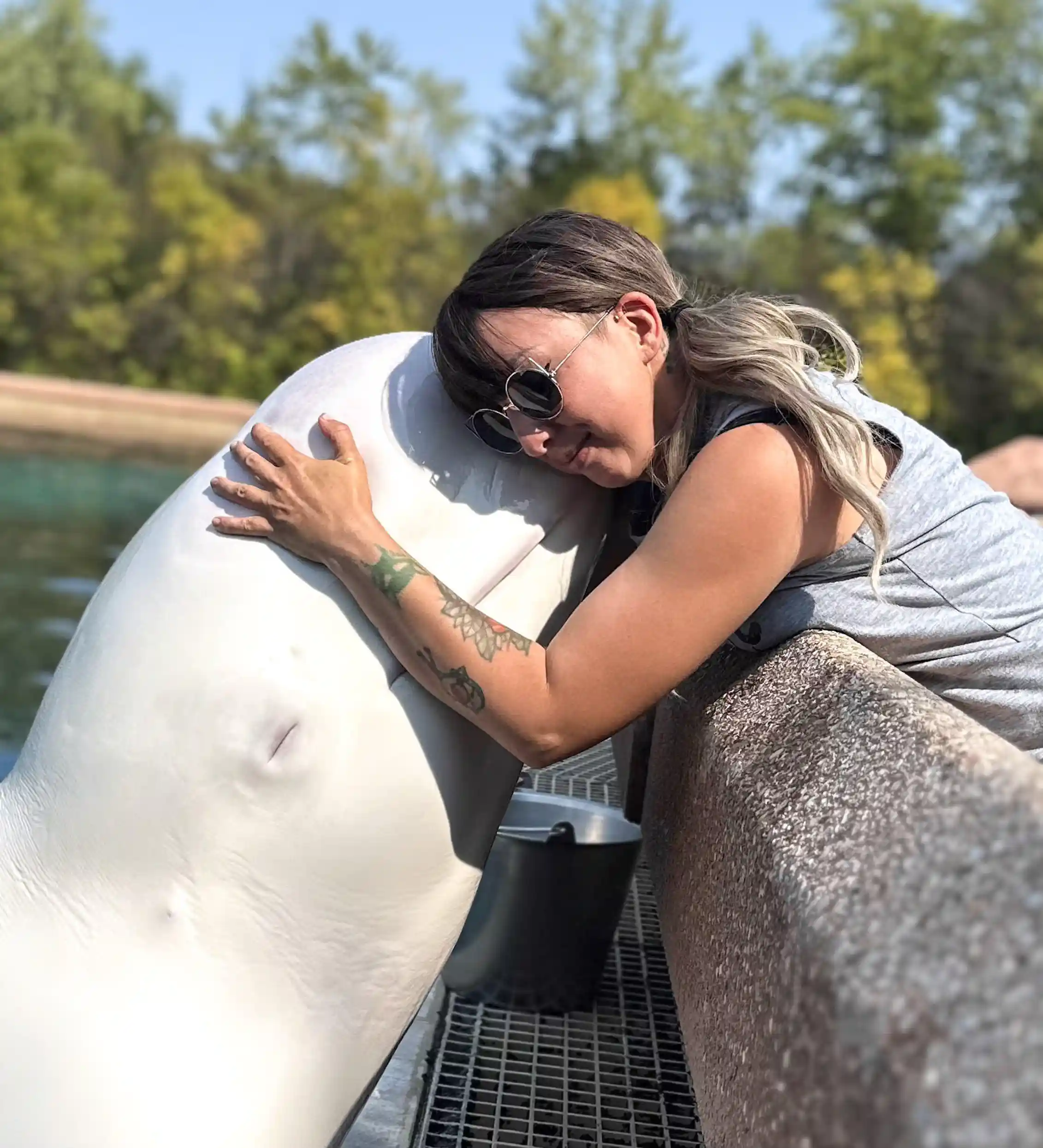
Animal welfare involves health, social relationships, nutrition, choice, cognitive stimulation, and environmental predictability. Animals need enough change to stay engaged but not so much that it causes harmful stress.
Sanctuaries have a troubled history
The Whale Sanctuary Project in Nova Scotia has spent 10 years trying to raise funding without building its pen. The National Aquarium pledged sanctuary placement 10 years ago but hasn't followed through. Multiple other attempts have failed.
Release attempts have ended badly
Ric O'Barry's 1990s attempt to release Navy dolphins Buck and Luther ended with both being rescued, one in critical condition. He was convicted of violating the Marine Mammal Protection Act and fined.
Iceland sanctuary shows ongoing struggles

Two belugas named Little White and Little Grey from a Chinese aquarium spent 92.6% of their time in a conventional pool rather than their sanctuary. In the sanctuary, they exhibited stress behaviors, feeding difficulties, and one developed ulcers.
Science and activism can conflict
A 2020 review found that pro-sanctuary publications often cherry-pick data and ignore studies showing managed animals outliving wild ones. Moral conviction alone isn't enough. Welfare science requires evidence, not just belief.
“A 2020 review found that pro-cetacean sanctuary publications often include cherry-picked data and embellishments”
What actually predicts good welfare
The Cetacean Welfare Study analyzed over 200 animals across 43 accredited facilities. Larger habitats didn't predict better welfare. Social environment, training, and enrichment diversity were much better indicators of animal well-being.
“Larger habitats did not predict good welfare”
Individual assessments are essential
Each animal requires different welfare interventions. Before relocating, professionals should establish baseline health, behavior, and stress measures, then track them after the move. If welfare deteriorates, they can change course.
Sanctuaries need science, funding, and backup plans
Sanctuaries should have standby pools for emergencies and definable success metrics. They need multiple years of funding and plausible revenue streams before construction. Keiko's failed release cost 20 to 30 million dollars over five years.
The key point
Sanctuary success depends on individual animal assessments and rigorous science, not moral conviction alone.