From The Drive · Stephen Edelstein · · 1m
Lego Hit-and-Miss Engine Replica
A YouTuber built a working Lego hit-and-miss engine using vacuum power to mimic a 1930s-era design.
In brief
A YouTuber built a working Lego hit-and-miss engine using vacuum power to mimic a 1930s-era design. YouTuber Delton Adams created a Lego hit-and-miss engine that generates 0.12 watts of power using vacuum mechanics. Originally reported by The Drive.
Lego Engine Freedom
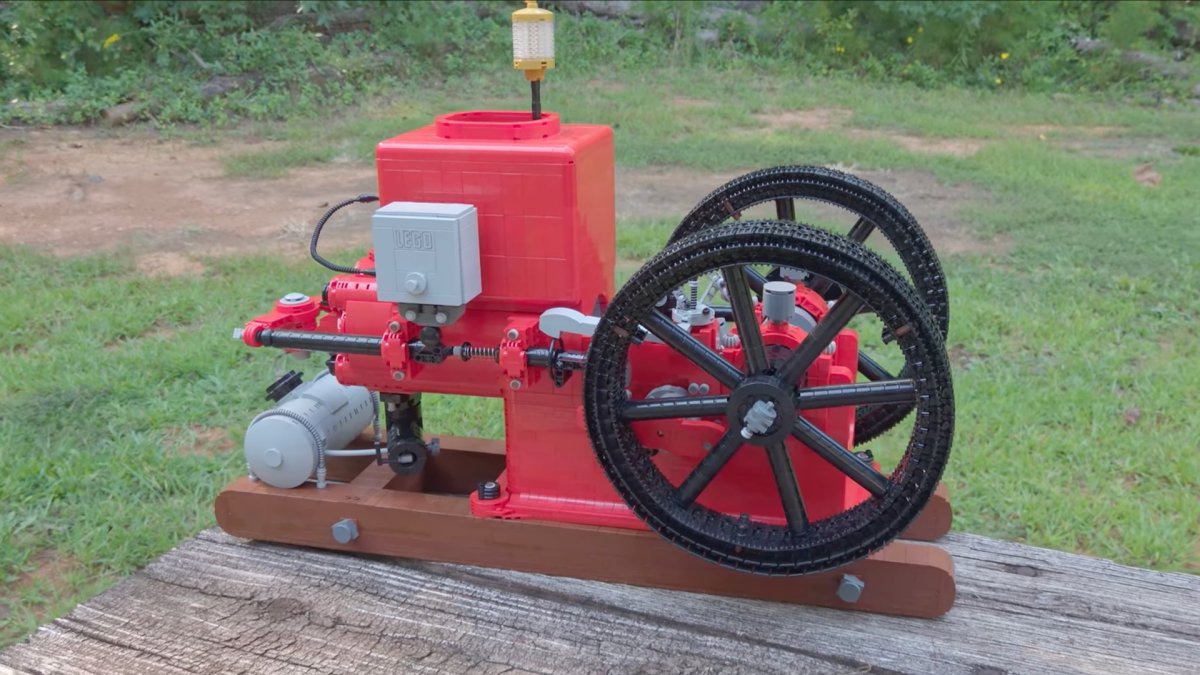
Lego pieces allow building without following instructions, enabling creative projects like working engines.
Hit-and-Miss Engine History
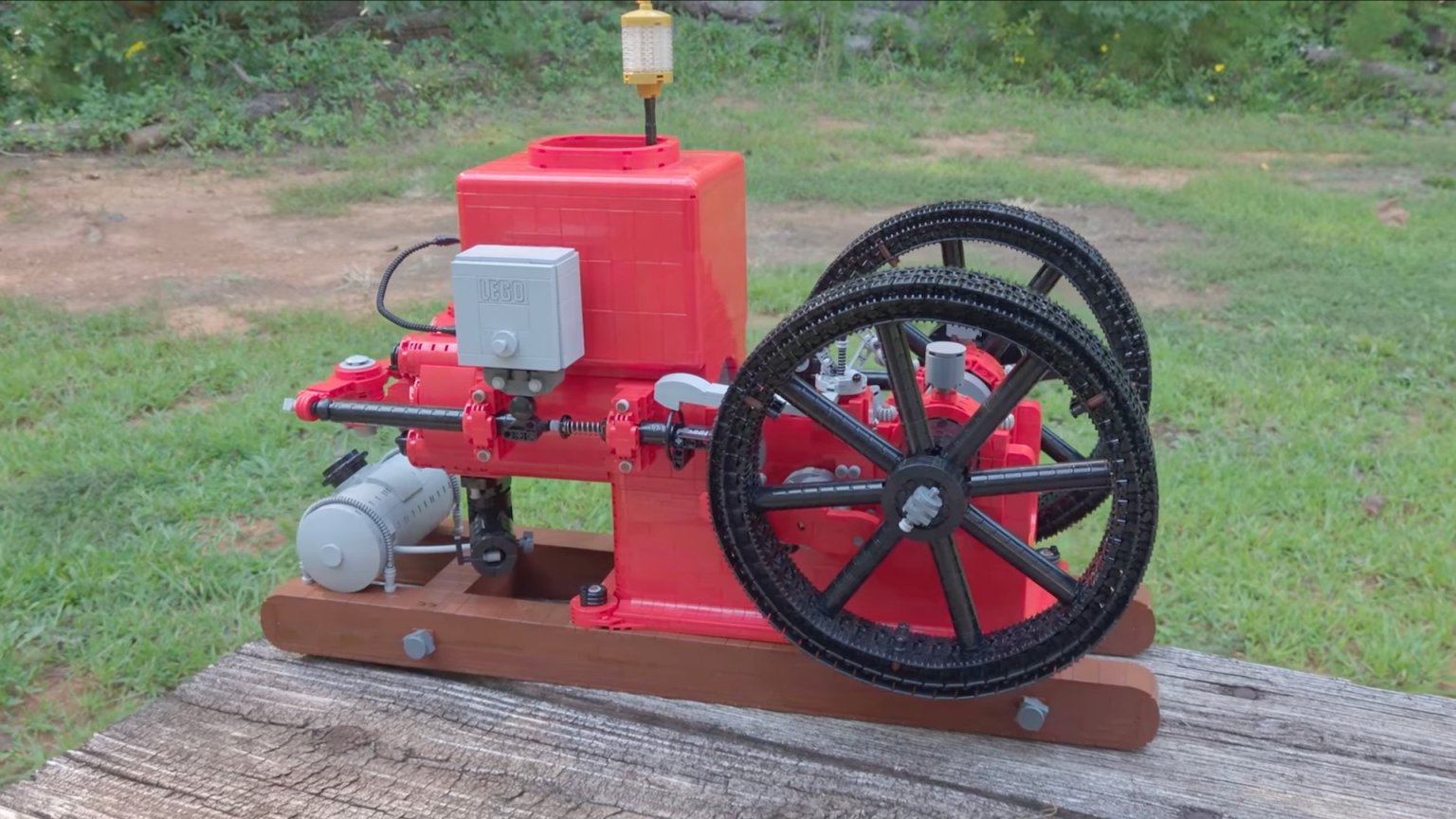
Hit-and-miss engines stopped being common use in the 1930s and were used as stationary power sources early in the 20th century.
Vacuum Power Mechanism
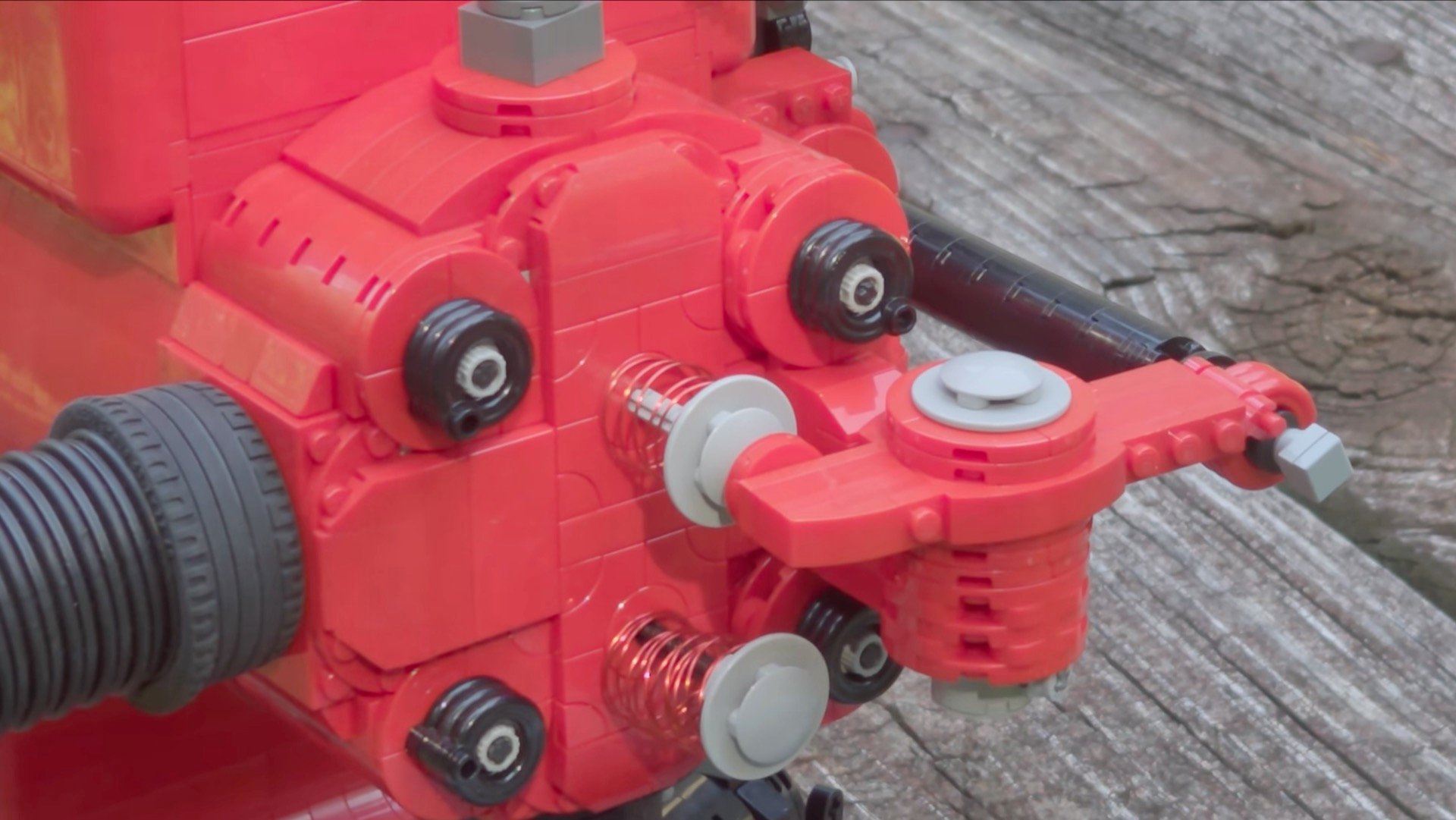
Adams used vacuum power instead of combustion to spin the engine, mimicking the hit-and-miss cycle without ignition.
Engine Design Adaptation
Adams swapped camshaft and pushrod for an inverted cam and rocker with a spring to operate valves against vacuum pressure.
Realistic Lego Components
The engine includes friction-reducing roller bearings, wrist pins, and long studs for a period-correct replica.
Power Output Result
The Lego engine generates 0.12 watts of power, or approximately 1.5 studpower, a measure of Lego engine output.
The big picture
YouTuber Delton Adams created a Lego hit-and-miss engine that generates 0.12 watts of power using vacuum mechanics.