From The Economic Times · ET Spotlight · · 2m
UPI's Free Era Ends: Who Pays, Who Earns?
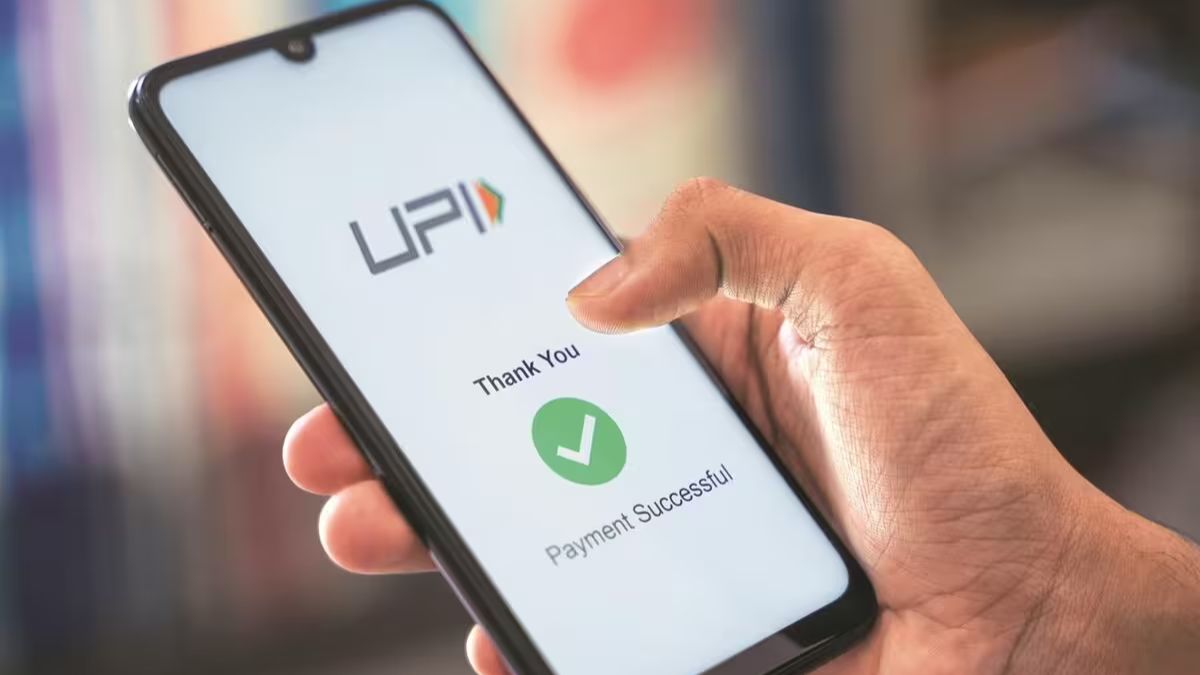
India's UPI system shifts from zero fees to 0.4% merchant charges, reshaping who funds digital payments.
In brief
India's UPI system shifts from zero fees to 0.4% merchant charges, reshaping who funds digital payments. India's UPI will charge 0.4% on transactions over ₹2,000, impacting merchants and smaller fintechs while keeping personal payments free. Originally reported by The Economic Times.
Quick answers
- Who Pays for UPI?
- The National Payments Corporation of India (NPCI) proposes a 0.4% MDR fee, capped at ₹300 per transaction, for payments above ₹2,000.
- Who Benefits?
- The fee may help smaller players by creating a revenue model for merchant intelligence services.
- Who Gets Left Behind?
- Tier 3 and Tier 4 city merchants may struggle to access credit through UPI due to limited integration.
- What is the key takeaway from UPI's Free Era Ends: Who Pays, Who Earns??
- India's UPI will charge 0.4% on transactions over ₹2,000, impacting merchants and smaller fintechs while keeping personal payments free.
UPI's Free Era Ends
India's UPI system shifts from zero fees to 0.4% merchant charges on transactions over ₹2,000.
“It’s a perfect time, if you ask me, for MDR to come in.”
Who Pays for UPI?
The National Payments Corporation of India (NPCI) proposes a 0.4% MDR fee, capped at ₹300 per transaction, for payments above ₹2,000.
“Why should I bear that cost to get my money back?”
UPI's Zero-MDR Policy
UPI has run on a zero-MDR policy since 2020, with all transactions under ₹2,000 remaining free.
Two Economies in UPI
UPI functions as a mass-use economy for small payments and a higher-value economy for business transactions.
Impact of MDR
The fee affects larger transactions, where 65% of money moves, while small payments stay free.
Merchant Concerns
Merchants fear the fee will be seen as a tax on acceptance rather than an investment in business intelligence.
Payment Providers' Role
Payment providers must offer tangible benefits like reconciliation and cash-flow insights to justify the fee.
Lending Business Impact
Lending businesses face margin reductions as the fee takes 0.3-0.4% from their net margins of 5-7%.
TPAPs' Challenge
Smaller third-party application providers (TPAPs) risk being squeezed out by larger players with existing checkout advantages.
Credit on UPI
Credit lines on UPI are limited to banks, with only ₹350 crore in transactions in July 2024.
AutoPay Mandates
Businesses are adopting UPI mandates for loans, subscriptions, and utility bills without customer app interaction.
Fraud and Security
The growing fraud underbelly requires shared security efforts across payment providers to protect users.
Who Benefits?
The fee may help smaller players by creating a revenue model for merchant intelligence services.
Who Gets Left Behind?
Tier 3 and Tier 4 city merchants may struggle to access credit through UPI due to limited integration.
The Next Wave
UPI's second decade will determine who pays for the system, who earns from it, and who gets credit through it.
In short
India's UPI will charge 0.4% on transactions over ₹2,000, impacting merchants and smaller fintechs while keeping personal payments free.
Read the TL;DR — this story on one card.