From The Hindu · Lavpreet Kaur · · 3m
Deepfakes and revenge fuel surge in online abuse
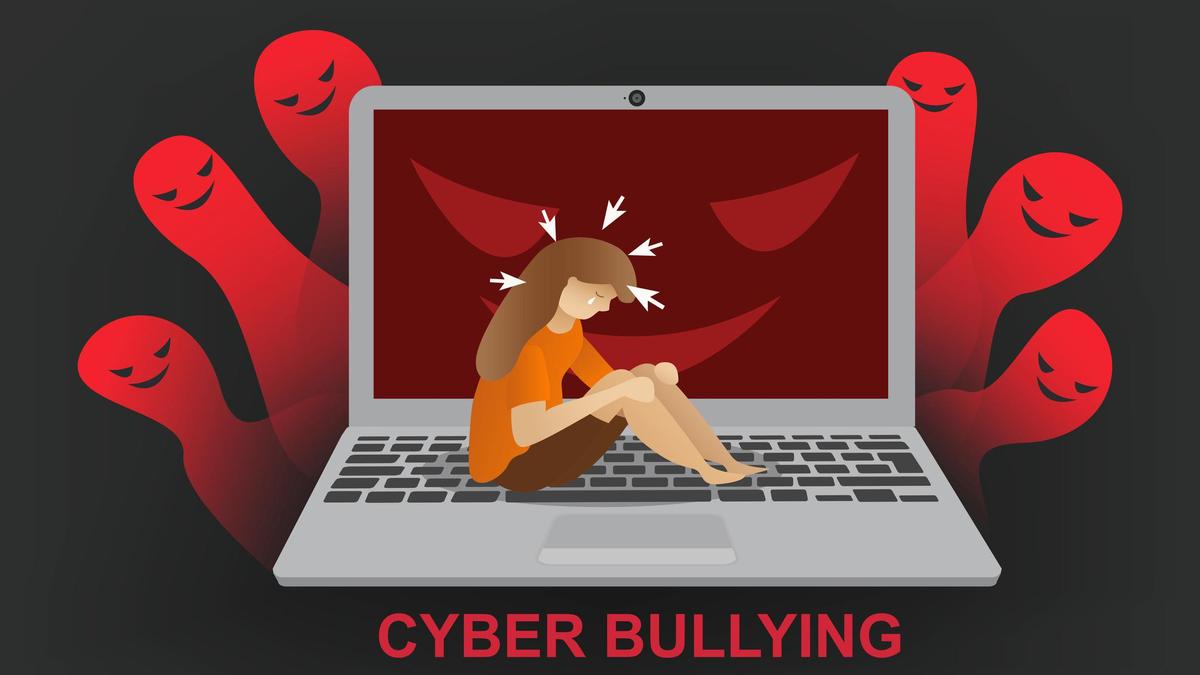
Delhi Police report cases of cyberstalking and technology-facilitated sexual offences have at least doubled in a year, as perpetrators use intimate images, morphed content and AI-generated deepfakes to threaten and control victims.
In brief
Delhi Police report cases of cyberstalking and technology-facilitated sexual offences have at least doubled in a year, as perpetrators use intimate images, morphed content and AI-generated deepfakes to threaten and control victims. Delhi Police report cyberstalking and technology-facilitated sexual offences have at…
Cases double as abuse turns darker
Delhi Police investigators report at least a doubling of cyberstalking and technology-facilitated sexual offences over the past year. Perpetrators weaponise intimate images, morphed content and artificial intelligence-generated deepfakes to threaten, shame and control victims.
National data shows sharp rise in crimes
The National Cybercrime Reporting Portal recorded a one hundred eighteen point four percent increase in online crimes against women, from twenty-two thousand one hundred eighty-eight cases in two thousand twenty to forty-eight thousand four hundred…
Morphed images of seventeen-year-old spread online

In Delhi, digitally manipulated sexual images of a seventeen-year-old girl were found on several adult websites and file-hosting services.
Class eleven student creates deepfakes of woman
In another Delhi case, a woman was targeted by her son's schoolmate, a Class eleven student, who used artificial intelligence to create morphed images and deepfakes of her.
Former partner threatens intimate photographs
A twenty-three-year-old woman from Mumbai was threatened by her Delhi-based former partner after their two-and-a-half-year relationship ended. He threatened to circulate intimate photographs taken during their relationship unless she resumed contact with him.
Photographs sent to family and employers
Over the following months, the photographs were sent to members of her family and professional contacts.Her employment contract was not renewed.
Accused arrested after physical attack
A Zero FIR was registered in Mumbai in March two thousand twenty-five and transferred to Delhi, where the accused was based.
Meri Trustline documents growing harm volume
Meri Trustline, a helpline run by the Mumbai-based RATI Foundation, received six hundred twenty-six calls between August two thousand twenty-four and July two thousand twenty-five, of which one hundred thirty cases required active intervention.
Known perpetrators linked to relationship breakdown
Of one hundred thirty perpetrators, seventy percent were unknown to victim-survivors while thirty percent were known to them.Of the known perpetrators, thirty-six were reported to be men.
Denigration is most common form of harm
Denigration and attempts to damage a person's reputation accounted for the largest category among two hundred fifty-three instances of harm, with forty-two instances at sixteen point six percent.
“Technology and the methods of abuse may change, but defamation or damaging a person's reputation remains the primary motive in cases of online abuse.”
AI tools make abuse easier to create
The increasing accessibility of image-editing and artificial intelligence tools has complicated investigations. Techniques that once required specialised skills can now be carried out through widely available applications, allowing perpetrators to create manipulated images, synthetic audio…
Survivors prioritise content removal over prosecution
Stigma, uncertainty over jurisdiction, procedural delays and concerns about further exposure discourage survivors from pursuing formal complaints.
In short
Delhi Police report cyberstalking and technology-facilitated sexual offences have at least doubled in a year, driven by revenge, anger and personal vendetta using deepfakes and intimate images.
Read the TL;DR — this story on one card.