From The Indian Express · Amitabh Sinha · · 3m
India defends Indus treaty pause at climate summit
Environment Minister Bhupender Yadav says river sharing cannot ignore bilateral relations, responding to Pakistan's water concerns at COP31.
In brief
Environment Minister Bhupender Yadav says river sharing cannot ignore bilateral relations, responding to Pakistan's water concerns at COP31. India's Environment Minister defended the country's decision to suspend the Indus Waters Treaty with Pakistan at a UN climate conference, saying water sharing cannot be separated…
India responds on Indus at climate summit
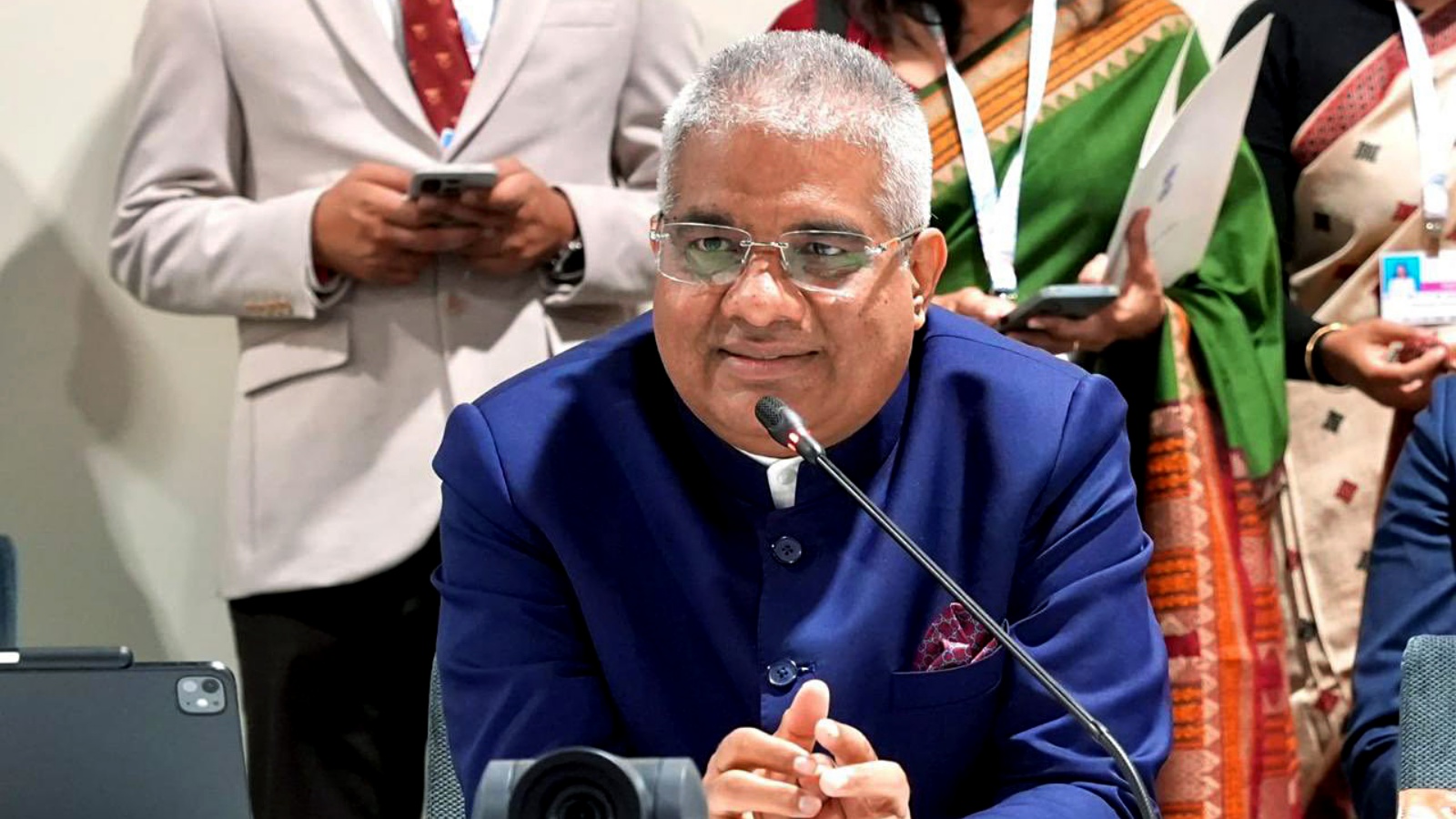
Environment Minister Bhupender Yadav said at COP31 in Antalya that water sharing cannot be based on archaic mechanisms or divorced from bilateral relations between countries.
Pakistan raises water weaponisation concern
Prime Minister Shehbaz Sharif told COP31 that water must never be weaponised and water sharing agreements must be honoured in letter and spirit.
“Water must never be weaponised. No nation should be allowed to put the lives and livelihoods of people downstream at risk.”
India suspended Indus Waters Treaty last year
Following a terrorist attack at Pahalgam in which 26 tourists were gunned down, India put the 1960 Indus Waters Treaty in abeyance until Pakistan abjured cross-border terrorism.
Treaty governs six shared rivers
The 1960 Indus Waters Treaty governs the sharing of six transboundary rivers of the Indus river system between India and Pakistan.
India no longer bound by treaty provisions
In practical terms, India does not consider itself bound by the 1960 Treaty any longer and has moved ahead with river projects in the Indus basin.
Yadav cites climate and demographic change
Yadav said climatic and demographic changes as well as technological advancements are important elements that cannot be ignored in water sharing arrangements.
Pakistan protests despite unchanged water flow
Pakistan, heavily dependent on these rivers, has protested India's treaty suspension even though the flow of waters from India has remained largely unchanged.
Malik says visit has no bilateral agenda
Malik has maintained that his trip to New Delhi was meant solely to attend the SCO meeting and there was no bilateral agenda regarding water issues.
The key point
India's Environment Minister defended the country's decision to suspend the Indus Waters Treaty with Pakistan at a UN climate conference, saying water sharing cannot be separated from overall bilateral relations.
Read the TL;DR — this story on one card.