From The New Yorker · David Owen · · 4m
America's self-storage religion
How a humble business became a $40 billion pillar of American culture.
In brief
How a humble business became a $40 billion pillar of American culture. Self-storage has become woven into American life not because we need it, but because automatic billing and the psychology of postponement make it easy to forget we're paying for it. Originally reported by The New Yorker.
Two pillars of America
After a meandering road trip across the country, the author concluded that church and self-storage are the two great pillars of American culture.
A $40 billion industry
The U.S. dominates global self-storage with roughly 90 percent of worldwide capacity. There are more self-storage facilities in America than Starbucks, McDonald's, Walmart, Home Depot, Domino's, Dunkin', and Costco combined.
The industry started in the seventies

Self-storage began as mom-and-pop operations in the 1970s but evolved into an accepted institutional-quality asset class managed by major real-estate investment trusts and private-equity firms.
“The history of self-storage probably goes back a long way, but the seventies is when it really got started, mostly with mom-and-pop-type operations.”
The four D's drive demand
Death, displacement, divorce, and downsizing are the life events that push people to rent storage units when their possessions collide with reality.
The delusion of inheritance
Many people store furniture and items they believe their children will want, only to discover that younger generations have no interest in what they call brown furniture.
Storage as a business model
A small-town excavation company owner built a self-storage facility in the 1990s after getting zoning approval. His 145-unit facility with sizes from 25 to 300 square feet generates steady revenue with minimal maintenance.
Modern facilities are high-tech
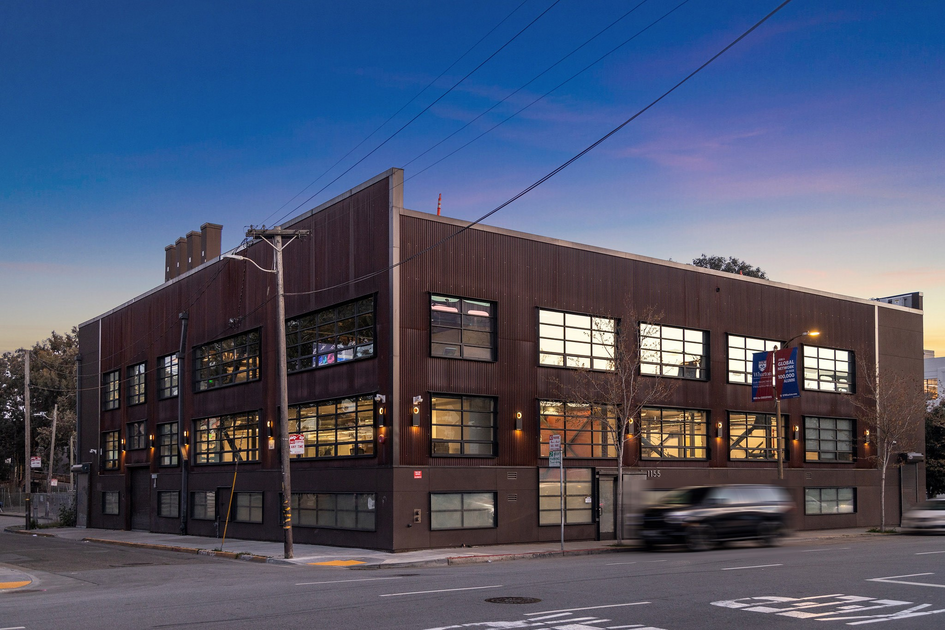
Newer facilities like Extra Space Storage locations feature climate control, three-story buildings with drive-in tunnels, motion-activated lights, and fire sprinklers. Most units stay rented.
People rarely visit their units
Storage renters visit their units about as often as they visit elderly relatives in nursing homes, sometimes forgetting what they've stored for years.
Automatic billing enables inertia
Recurring credit-card charges make it easy to forget you're paying for storage. A Stanford and Texas A&M study found that cancellation frictions roughly double seller revenues on average.
Storage fees can exceed item value
One woman's family stored her mother's furniture after her death in 2006. They've spent at least fifty thousand dollars in rental fees since then, far more than the furniture is worth.
Auctions of abandoned units
When renters stop paying, facility owners can overlock units and sell contents at public auction. Companies like StorageTreasures conduct these auctions across multiple states.
Storage Wars changed the game
The A&E reality show premiered in 2010 and made storage auctions seem like treasure hunts. Attendance at auctions exploded from a handful of bidders to over 150 per event.
“Behind these doors are some of the world's best-kept treasures.”
Most auction finds are junk
While occasional treasures appear, most abandoned units contain broken toys, outdated cables, stained baby clothes, and greasy car parts that winners must haul away.
COVID boosted the industry
The pandemic drove growth as people working from home needed space for remote offices and schooling. New facilities were built, but many desirable markets are now saturated.
AI is transforming operations
Facility owners now use artificial intelligence to set rental rates, manage tenant communications, and handle permit applications. Some operators run multiple facilities from abroad.
“There is nothing that I can do better than A.I.”
Storage is going global
Entrepreneurs see massive opportunities in Europe and Asia, where homes are smaller but Amazon delivery is growing. Dubai facilities charge seven hundred dollars monthly for ten-by-twenty units.
RV and boat storage boomed
COVID-era purchases of recreational vehicles and boats created demand for dedicated storage. The U.S. now has 4,800 dedicated RV-and-boat facilities plus 28,000 hybrid facilities.
Car condos are luxury storage
High-end car condos sell for over a million dollars and feature mezzanines with kitchens, bathrooms, wet bars, and entertainment spaces for collectors to display their vehicles.
Small-bay flex spaces emerge
A new category of storage-like buildings serves small businesses and light manufacturers like coffee roasters, microbrewers, and plumbing contractors seeking affordable workspace.
Fortunes still being made
Despite market saturation in some areas, entrepreneurs and investors continue to see storage as a path to wealth, especially in emerging categories and underserved regions.
The essence
Self-storage has become woven into American life not because we need it, but because automatic billing and the psychology of postponement make it easy to forget we're paying for it.