From The New Yorker · Isaac Chotiner · · 5m
Iran's war with US and Israel set to escalate
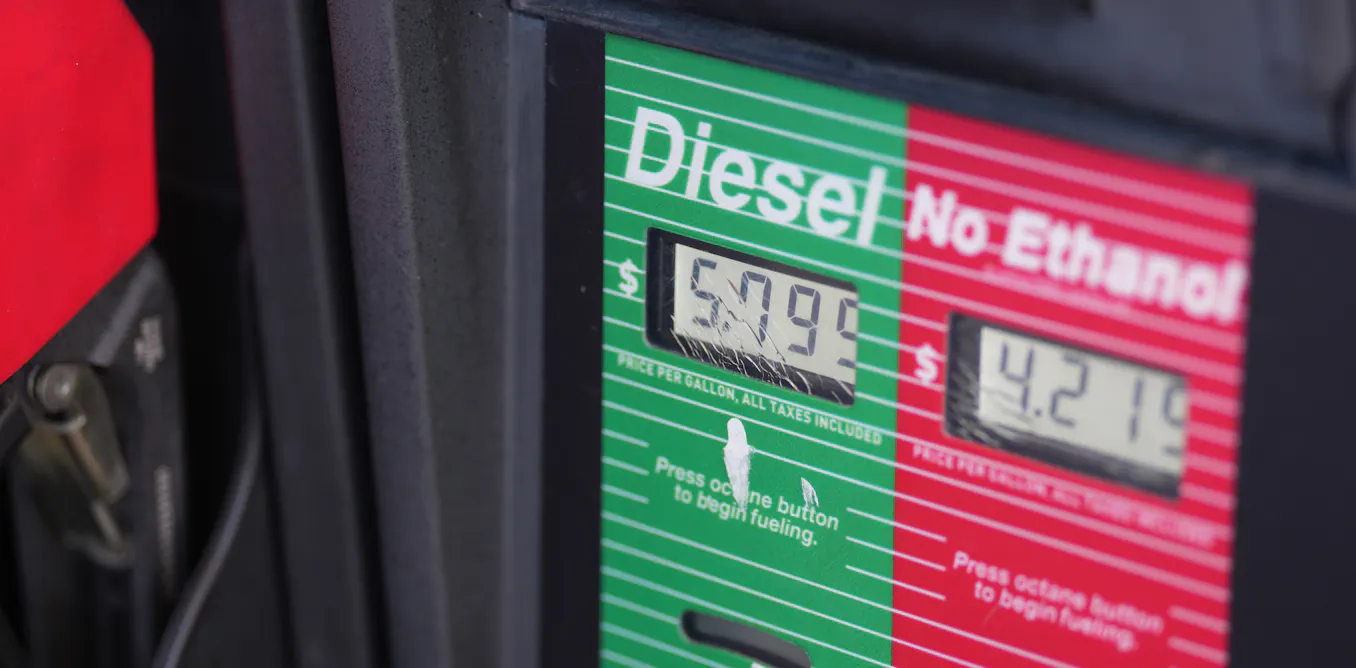
Oil flows through the Strait of Hormuz again, but analysts warn Iran will likely strike other energy targets as desperation grows.
In brief
Oil flows through the Strait of Hormuz again, but analysts warn Iran will likely strike other energy targets as desperation grows. The war between the US, Israel and Iran remains a stalemate with both sides preparing for renewed conflict, despite temporary easing of oil disruptions. Originally reported by The New…
War disrupts global oil flow

The United States and Israel launched war against Iran earlier this year, spiking energy prices worldwide. Iran shut down the Strait of Hormuz in March, further straining the global economy.
Oil traffic recovering but below pre-war levels
Oil passing through the Strait of Hormuz has climbed back to ten million barrels per day, according to some estimates. Before the war, the figure was at least sixteen million barrels per day.
Analysts see Iran losing leverage
The increase in oil flow has led some analysts to suggest that America and its allies have managed to overcome Iran's greatest leverage point in the conflict.
But new threat emerges

This has led to another concern: that Iran will, in desperation, begin attacking other energy targets in the region.
Expert: this is a stalemate
Sanam Vakil, who directs the Middle East and North Africa Programme at Chatham House and is a professor at Johns Hopkins School of Advanced International Studies, says both sides are backed into their corners.
US assumes time favors it
The Trump Administration believes time is on its side because the blockade is damaging Iran's economy. But officials are missing how existential this war is for the Islamic Republic and its leadership.
Iran won't bend to Trump
Iran's leadership does not have a track record of making good decisions under pressure. They make decisions based on security, stability and survival, not economic pain.
“What they won't do is bend the knee to Donald Trump.”
Both sides preparing for war
Iran wants a deal and a way out, but is not compromising. Both Iran and the Trump Administration are preparing for another round of full-on war.
Iran rejected a summer deal
Iran broke the terms of a memorandum of understanding reached earlier this summer. Vakil says it was probably the best deal Iran had on the table compared to any deal in previous years.
Deep distrust of Trump and Israel
Key decision-makers in Iran are so deeply distrustful of Trump and the Israelis that they saw the good deal as the beginning of further pressure, not a genuine settlement.
Trump unmoved by oil prices
Iranians gambled that higher oil prices, particularly around the midterms, would pressure Trump to make a deal. But Trump seems unmoved by these dynamics and assumptions.
Trump ignoring democratic feedback
Trump does not consult the wider bureaucracy or intelligence agencies in the way past Presidents would have. The vast majority of Americans are against this war, but Trump has not made a consistent case for why it is necessary.
Strait passage remains murky
The United States is creating safe passage for ships through the strait. But ships are also turning off their radar and making side deals with Iranians to get through, and some Gulf countries may have arrangements with Iran.
Iran retains disruptive power
Control over Hormuz does not mean Iran is the traffic warden on the bridge. It means they are able to disrupt things and can keep disrupting things going forward in ways that will still be damaging.
Diplomacy and Houthis complicate picture
Active diplomacy led by Qataris and Omanis is under way with proposals to get back to nuclear negotiations. The Houthi variable means Iran may not want to disrupt two choke points simultaneously and trigger renewed military conflict.
Houthis gain ground in Yemen
Over the past few weeks, Yemeni government forces mobilized a campaign against the Houthis, but the Houthis marshalled a more competent military response than expected and overturned those forces in key areas, including the Red Sea.
Saudi Arabia caught off guard
Saudi Arabia has worked to temper the Trump Administration's return to military conflict and warned that attacking critical infrastructure in Iran would provoke Iranian strikes on Gulf states. But Saudi Arabia miscalculated the military capacity of the Houthis and has been caught off guard.
Saudi ceasefire with Houthis froze
There was a ceasefire between the Houthis and Saudi Arabia in two thousand twenty-two, and there had been negotiations in the following years. But after October seventh, all of those negotiations somewhat froze.
Another war likely coming
Vakil does not think the November election changes anything. She is of the mindset that there will be another round of military conflict with Iran, whether going into the midterms or immediately after.
“I'm of the mindset that there will be another round of military conflict with Iran.”
Conflict could become protracted
The longer this drags on, costs will mount from an economic perspective. This could become a protracted conflict like the Ukraine-Russia war, which would be an awful scenario for the region and for Iran.
What it means
The war between the US, Israel and Iran remains a stalemate with both sides preparing for renewed conflict, despite temporary easing of oil disruptions.