From The Rio Times · Mateo Cruz · · 3m
EU Frozen Russian Assets and Ukraine Funding Gap
EU weighs using frozen Russian assets to fill Ukraine's $78.5B 2027 funding gap.
In brief
EU weighs using frozen Russian assets to fill Ukraine's $78.5B 2027 funding gap. EU considers converting frozen Russian sovereign wealth into Ukraine's 2027 war budget funding without legal ownership transfer. Originally reported by The Rio Times.
Key Facts
Ukraine says it has an uncovered 2027 funding gap of €70 billion (US$78.5 billion), and the European Commission has been asked to draft options.
Why It Matters
The decision will test whether europe can convert frozen russian sovereign wealth into war financing without undermining confidence in euro-denominated reserves and custody infrastructure.
The Numbers
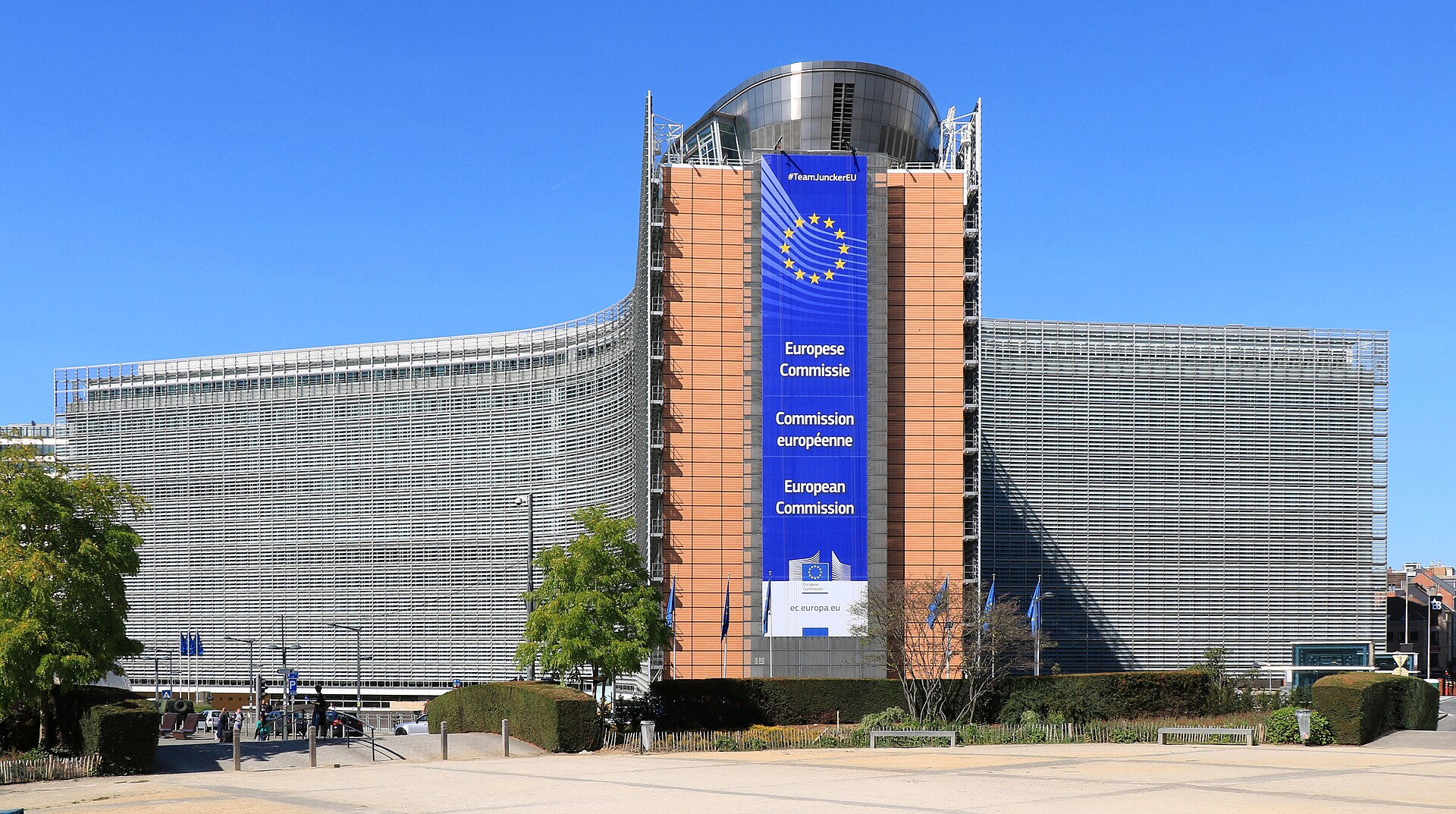
Approximately €210 billion (US$235 billion) of russian central bank assets are immobilised under eu jurisdiction, most at Euroclear in brussels.
Who Is Who
Euroclear, the brussels-based securities depository, holds most of the frozen assets, while clearstream in luxembourg holds a smaller portion.
What to Watch
Whether the commission proposes joint borrowing, an asset-backed loan, or a transfer vehicle, and whether member states reach any agreement before the 2027 budget cycle begins.
What It Means for You

If the eu moves toward confiscation, us investors holding euro-denominated assets or using european custody services could face higher risk premia and a reassessment of reserve-currency safety.
The €70 Billion Arithmetic
The additional €70 billion (US$78.5 billion) is not a replacement for that loan; it is a separate funding gap that kyiv says remains uncovered.
The Central Legal Issue
Immobilisation prevents russia from moving or redeeming its assets but does not transfer title to the eu.
Euroclear's Specific Exposure

Euroclear is not the owner of the russian reserves. It is a market-infrastructure company holding assets for clients through its settlement system.
Market Risks
A large-scale seizure could lead other governments to question whether euro-denominated reserves are politically safe, potentially triggering diversification away from euro assets.
Belgium's Position
Belgium hosts euroclear, which holds most of the eu's frozen russian reserves, making it the central opponent of an unqualified asset-backed scheme.
The Scenarios

The stabilising scenario is that the eu opts for more joint borrowing, avoiding touching the russian principal. The destabilising scenario is a rushed move toward confiscation.
What It Means for Latin America
Central banks in brazil, mexico, chile and colombia hold euro-denominated reserves and may accelerate diversification away from euro assets.
What to Watch
Watch for the commission's options paper, which could appear before the end of 2026, and the next windfall-profit reporting cycle.
The Options on the Table
The most legally straightforward option is another eu-backed borrowing programme, avoiding immediate confiscation litigation.
The Final Decision
The eu must decide whether to use frozen russian assets to fill ukraine's 2027 funding gap without legal ownership transfer.
The short version
EU considers converting frozen Russian sovereign wealth into Ukraine's 2027 war budget funding without legal ownership transfer.