From The Rio Times · Contributing Reporter · · 2m
Peru Regions and Provinces Explained
Peru's 24 departments and 1 constitutional province explain regional governance, economic divides, and election timelines.
In brief
Peru's 24 departments and 1 constitutional province explain regional governance, economic divides, and election timelines. Peru has 24 departments plus Callao, each electing their own governor, with Lima having a mayor instead of a governor. Originally reported by The Rio Times.
Key Facts
Peru has 24 departments plus Callao, the port province beside Lima, and all 25 units elect their own governor.
Population Distribution
34.2 million people live in Peru, with 58.7% on the Coast, 26.7% in the Sierra, and 14.3% in the Selva.
Economic Power
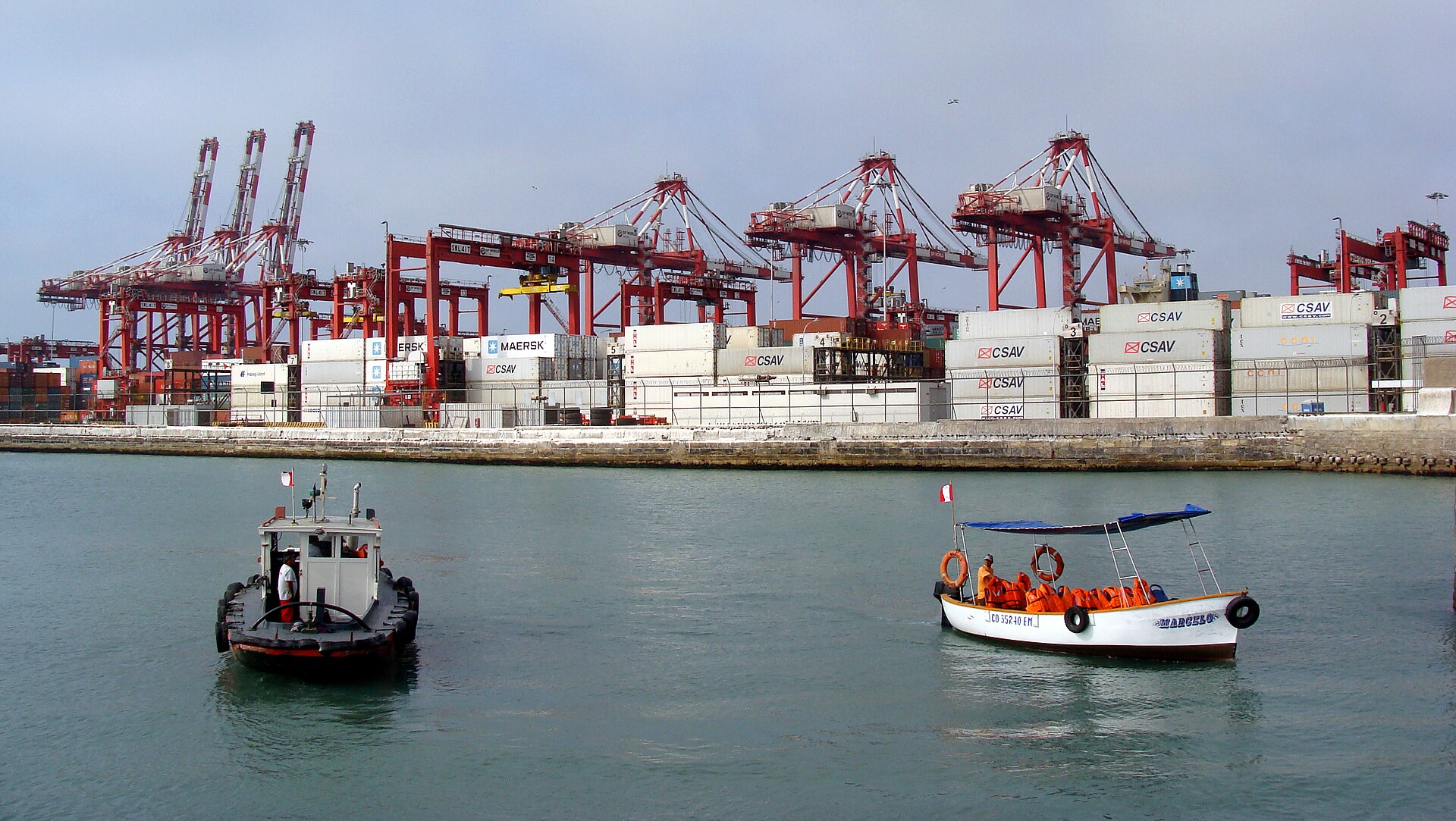
Lima and Callao produced 42.4% of national GDP in 2024, with Arequipa at 5.4% and La Libertad at 4.6%.
Lima's Unique Status
Lima city has a mayor under a special legal regime, not a governor, while the rest of the department elects its own governor.
Regional Government Structure
Each department has provinces, which have districts, with provinces elected by mayors and districts by local authorities.
Election Timeline
Governor runoffs are set for Sunday 6 December 2.026 where no candidate pair won 30% of valid votes.
Coast Region
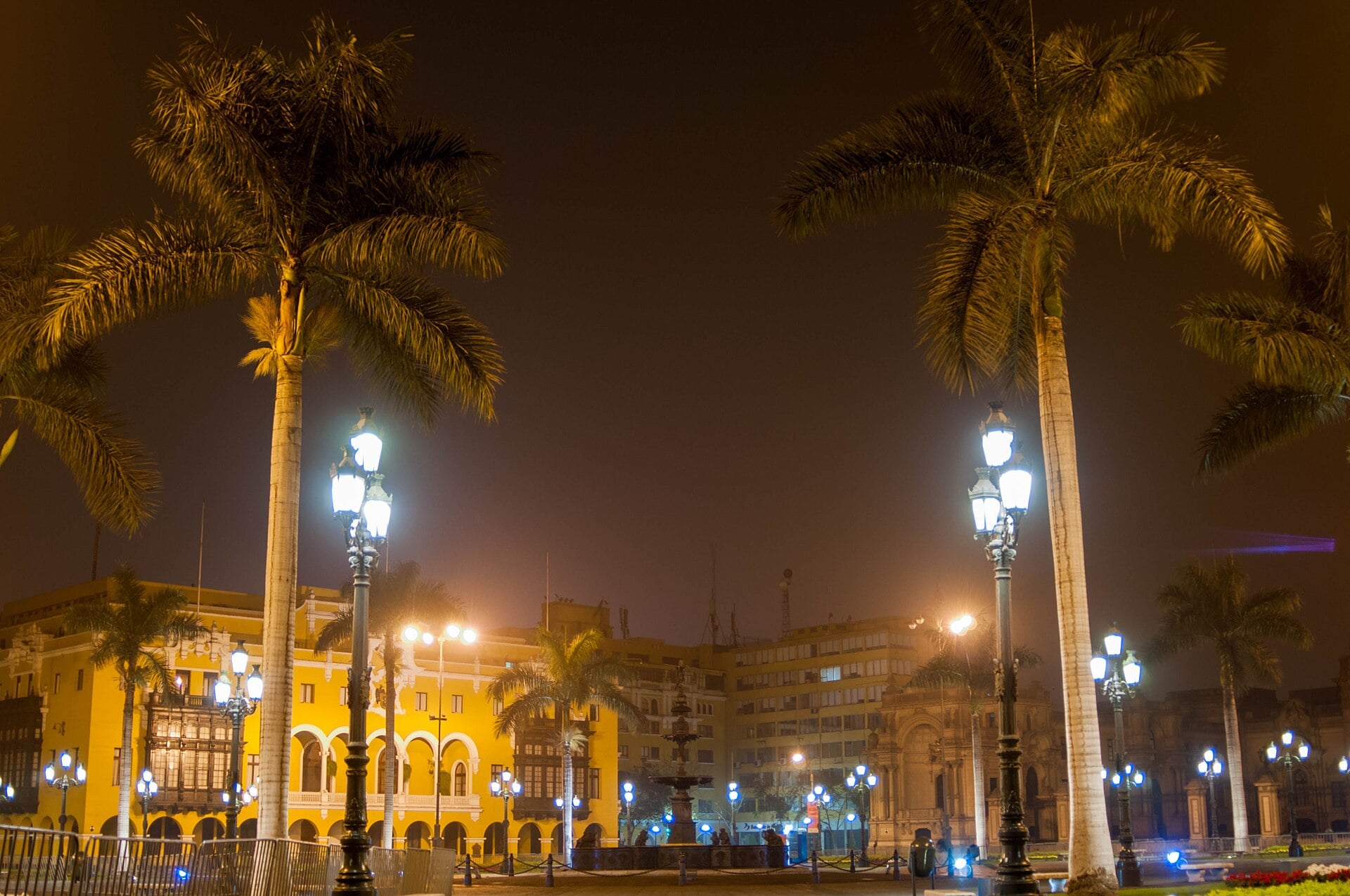
The Coast includes 10 departments with 58.7% of Peru's population, dominated by Lima and Callao's economy.
Sierra Region
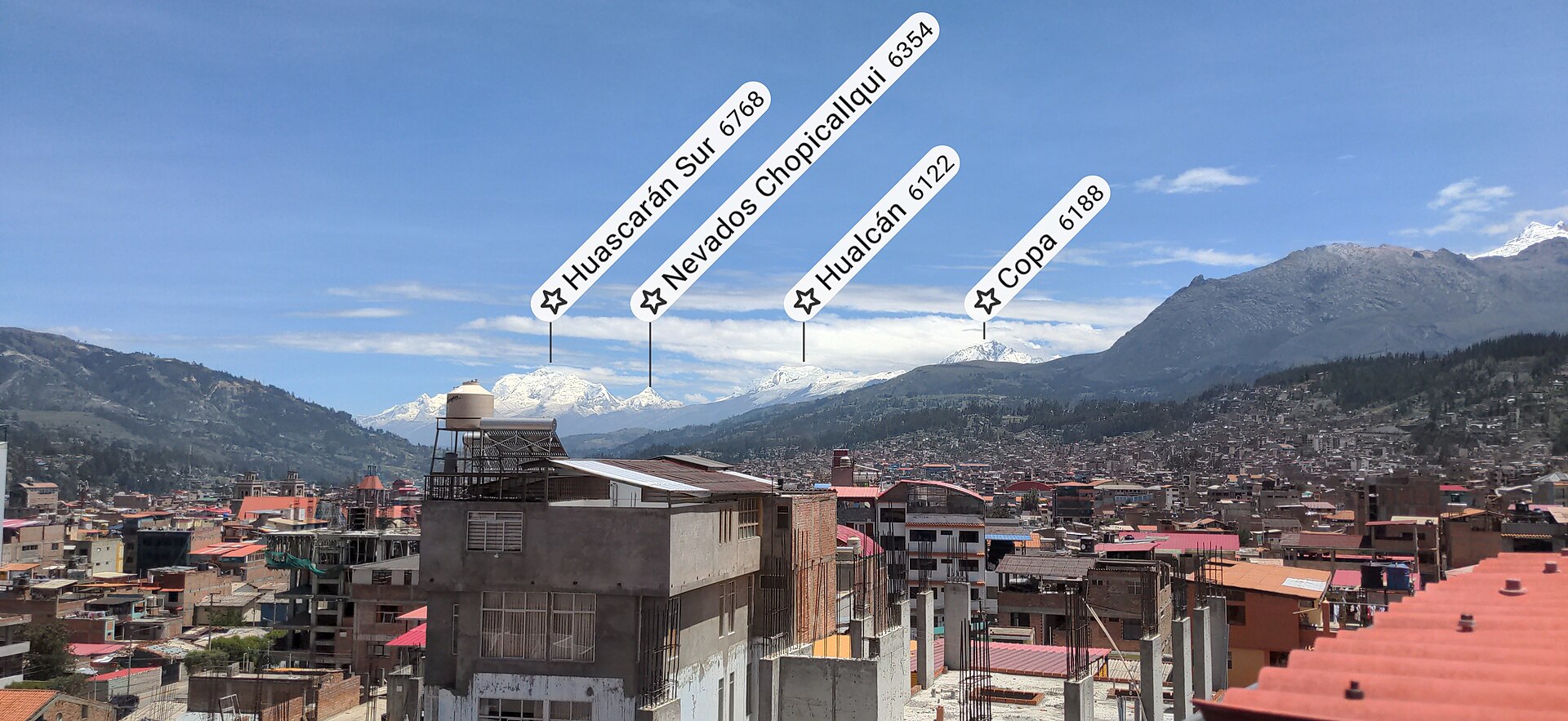
The Sierra covers 26.7% of Peru's population with departments including Cusco and Puno, focused on mining and tourism.
Selva Region
The Selva accounts for 14.3% of Peru's population with departments like Loreto and Amazonas, relying on timber and gold.
Mining Impact
Apurimac and Pasco have over 50% of their economies from mining, with Tacna and Moquegua also heavily dependent.
Regional Powers
Regions manage land, resources, services, and movement, including education, health, and road infrastructure.
Election Results
4 October 2026 elections filled 25 governor posts, with runoffs set for 6 December 2026 for regions without a majority.
Social Conflicts
Peru's state ombudsman counted 191 social conflicts in July 2026, 49.2% of which were socio-environmental.
Regional Governance
Regional councils make laws and oversee governance, with mayors elected for four years and regional budgets tied to mining.
Economic Disparities
Cerro Colorado grew 3.6% annually between 2017 and 2025, while Trujillo and Chiclayo shrank by 0.7% and 0.2%.
Regional Challenges
Mining canon revenue links regional budgets to metal prices, with 50% of mining tax shared annually by the Ministry of Economy.
The short version
Peru has 24 departments plus Callao, each electing their own governor, with Lima having a mayor instead of a governor.