From The Rio Times · Contributing Reporter · · 3m
Venezuela Natural Resources Explained 2026
Venezuela's oil reserves, gas output, and mining sector face US sanctions and environmental costs.
In brief
Venezuela's oil reserves, gas output, and mining sector face US sanctions and environmental costs. Venezuela has the world's largest oil reserves but low production, with US sanctions shaping oil deals and environmental damage from gas flaring. Originally reported by The Rio Times.
Key Facts
Venezuela is a South American country on the Caribbean coast with 28.5 million people in 2025. Its economy was about US$99.7 billion that year and still rests on oil.
Oil Reserves
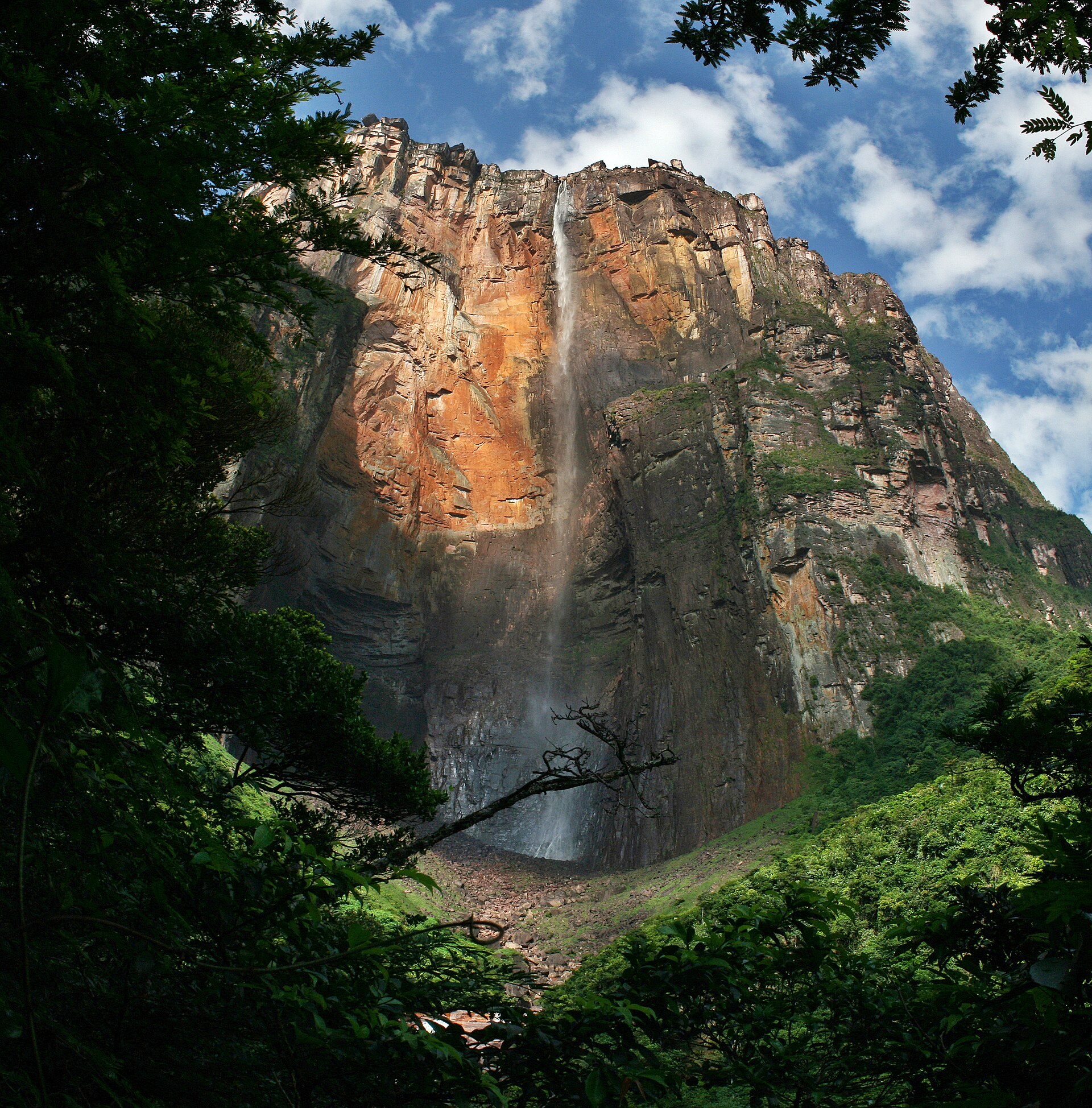
Venezuela has 303 billion barrels of proven oil reserves as of 2023, the largest in the world. Output was 1,206,000 barrels a day in September 2026 on official figures.
Gas Reserves
Gas reserves were 195 trillion cubic feet in 2023, about 73% of South America's total, yet output sits far below its 2001 peak.
Minerals
Formal gold output was estimated at only 480 kilograms a year in 2017 to 2019. The Orinoco Mining Arc covers about 112,000 square kilometres.
Water and Forests
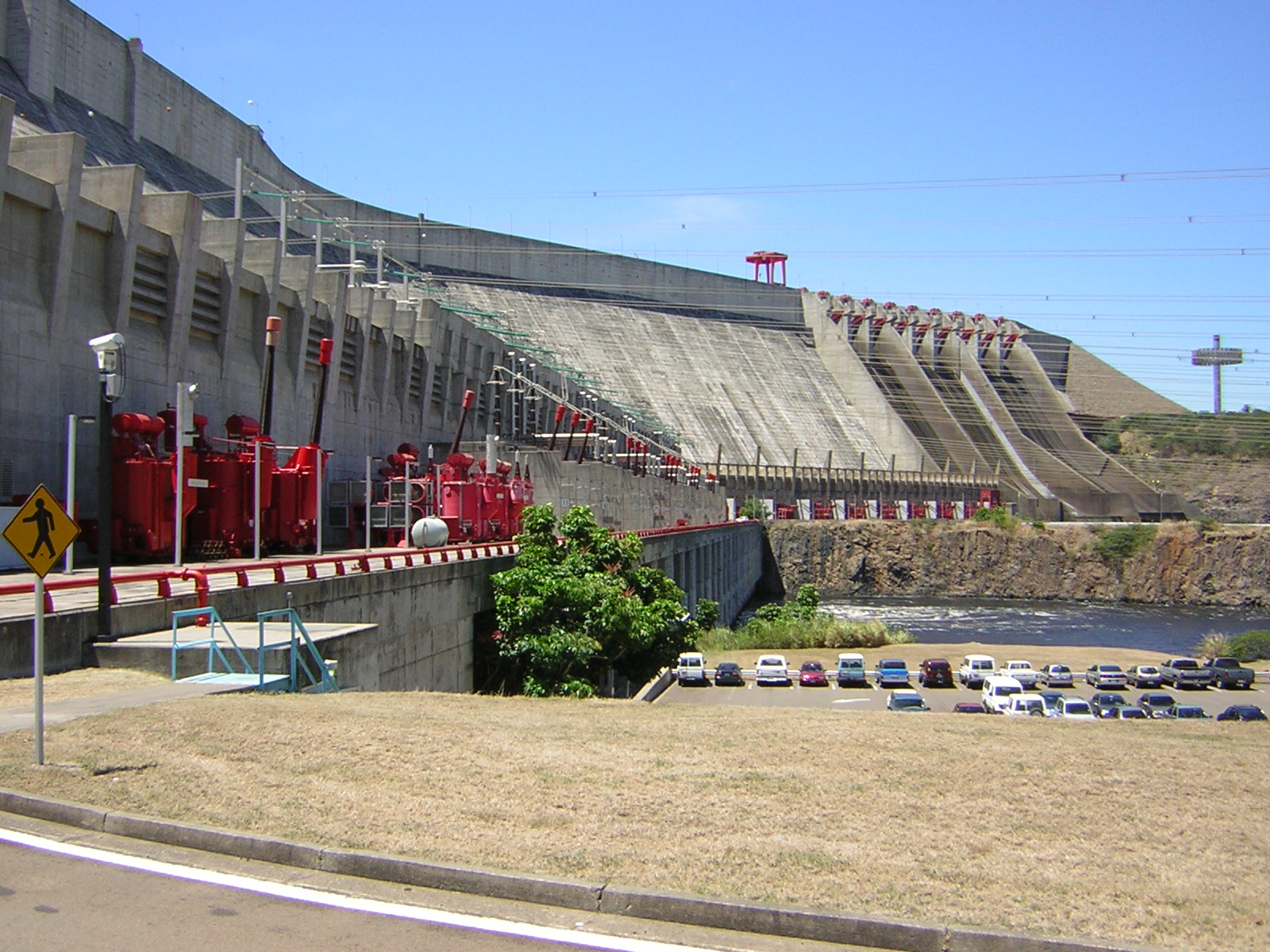
Hydropower supplied about 64% of electricity in 2021. Forest covered 53.4% of the land area in 2024.
New Laws
A reform of the Hydrocarbons Law was approved on 29 January 2026, and a new mining law passed the National Assembly on 9 April 2026.
Power Index
Venezuela ranks 13th of 14 in The Rio Times Latin America Power Index with 27.0 points (October 2026 edition).
Oil Production
Venezuela told OPEC it pumped 1,206,000 barrels a day in September 2026, while OPEC's secondary sources put the figure at 1,150,000.
Oil Prices
Merey 16, Venezuela's heavy export grade, averaged US$93.75 a barrel in September 2026, up US$16.93 from August.
US Sanctions
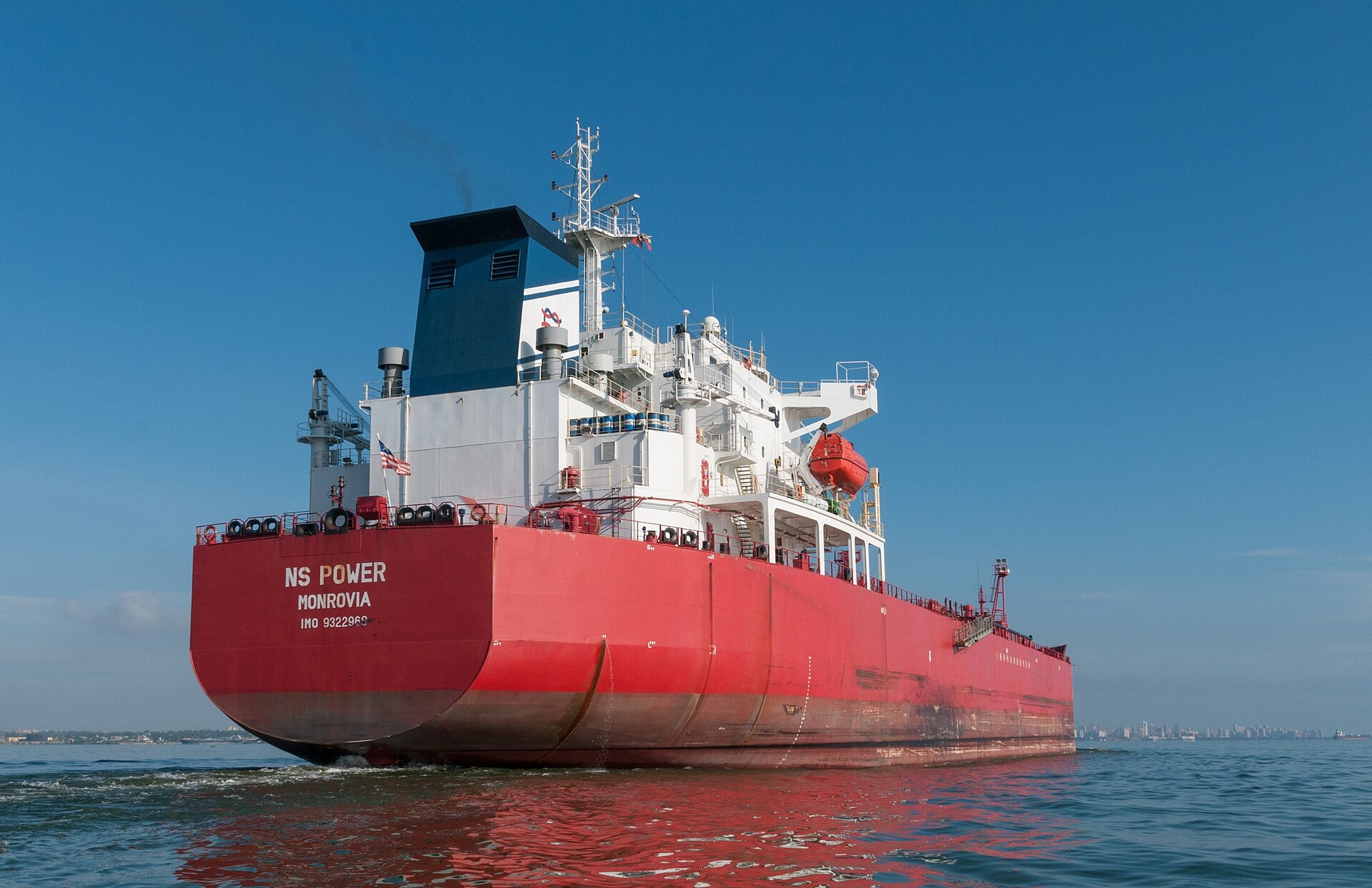
OFAC lists General Licence 46E of 28 September 2026 for activities involving Venezuelan-origin oil. Payments tied to PDVSA generally flow through US-controlled accounts.
Gas Flaring
Industry estimates put flaring, the burning of unused gas, near 706 billion cubic feet in 2022. Burning that gas wastes fuel and releases emissions without earning revenue.
Mining Law
The National Assembly approved a new mining law on 9 April 2026 with royalties of up to 13% for private, foreign and mixed companies.
Environmental Cost
CSIS described environmental devastation and humanitarian risks from illegal mining in 2020. A confirmed national tally of damaged forest or polluted rivers is not available.
US Readers
Investors should treat every Venezuelan counterpart as licence-dependent. OFAC amended several general licences in September 2026, so the legal basis of a deal can change within weeks.
What Next
The mining law approved on 9 April 2026 is not confirmed as in force. Environmental damage from illegal mining remains a major concern.
The key point
Venezuela has the world's largest oil reserves but low production, with US sanctions shaping oil deals and environmental damage from gas flaring.