From The Rio Times · Contributing Reporter · · 3m
Who Runs Bolivia's Economy, the Key Players in 2026
Bolivia's economy faces shrinkage as key players shift power in 2026.
In brief
Bolivia's economy faces shrinkage as key players shift power in 2026. Bolivia's economy is forecast to shrink 3.0% in 2026 and 1.5% in 2027, with President Rodrigo Paz, Economy Minister Christian Morales, and central bank president David Espinoza steering the country's economic direction. Originally reported by The…
Bolivia's Economic Forecast
Bolivia's economy is forecast to shrink 3.0% in 2026 and 1.5% in 2027, the only South American nation with declining output in the IMF outlook.
Government Leadership
President Rodrigo Paz took office in November 2025 and replaced Economy Minister José Gabriel Espinoza with Christian Morales in August 2026.
Central Bank Shift

The central bank ended its 15-year fixed dollar rate of Bs 6.96 on 29 June 2026, moving to a floating regime with an official rate of Bs 11.69 for 17 to 19 October 2026.
State Oil Giant
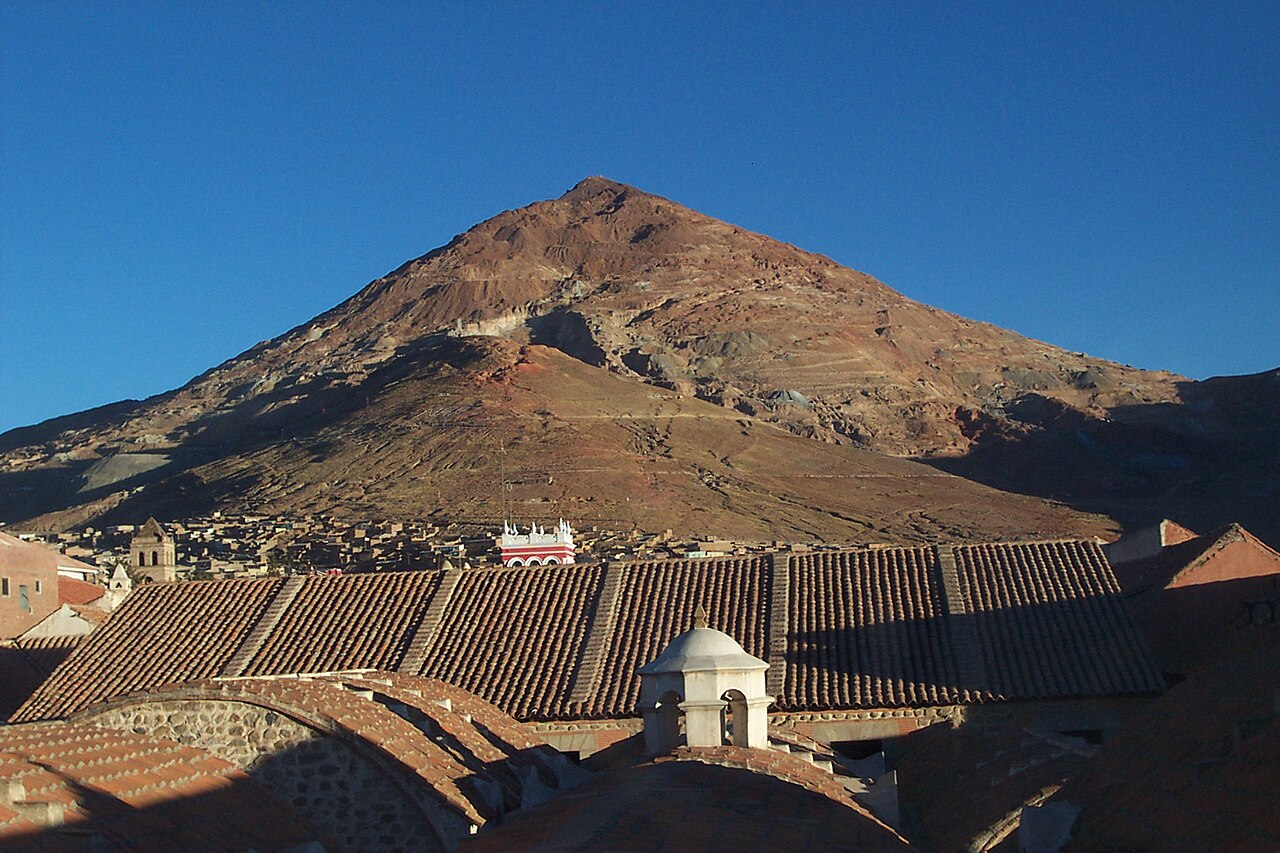
YPFB, Bolivia's state oil and gas company, paid the most tax in 2025 at Bs 3.59 billion (about US$515 million) and represents 22% of national revenue.
Mineral Exports Surge
Mineral exports reached US$4.45 billion in the first half of 2026, up 91% from the previous year, surpassing hydrocarbons at US$509.9 million.
Lithium Contracts Stalled
Bolivia's lithium contracts with Chinese and Russian partners are stalled in the Assembly, awaiting Constitutional Court rulings on Indigenous community objections.
Fuel Price Crisis
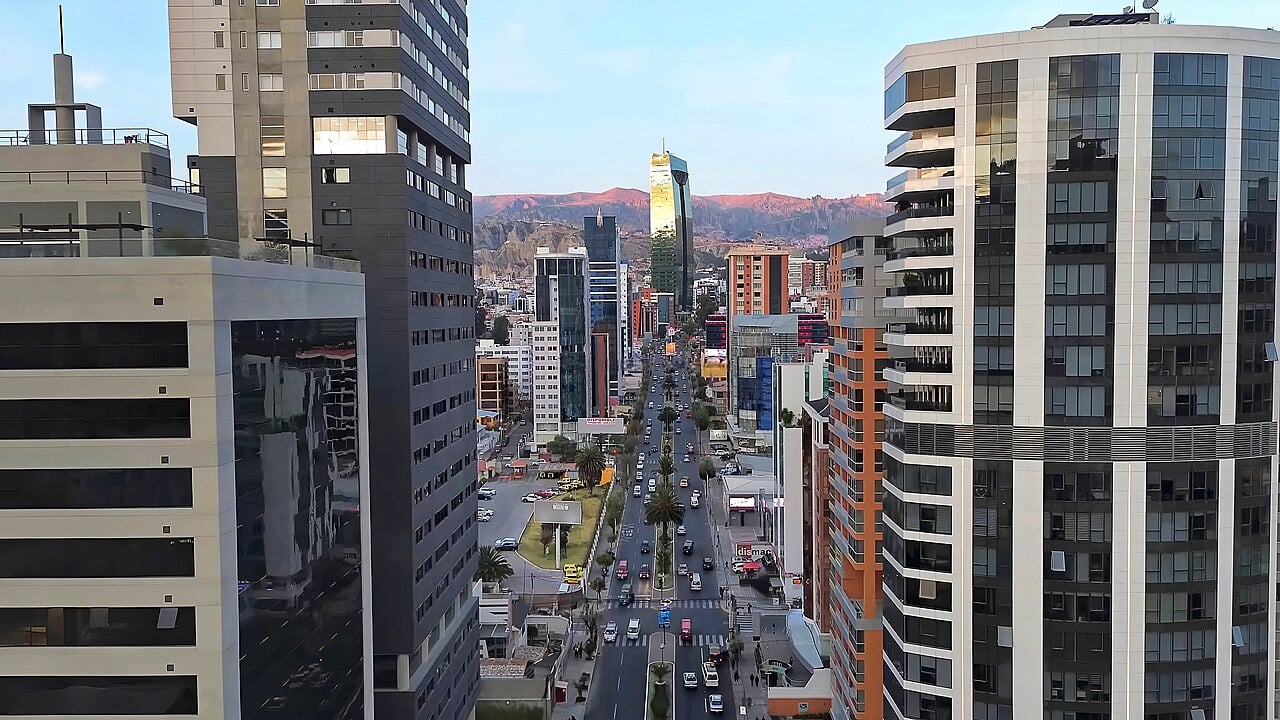
Diesel prices rose from Bs 3.72 to Bs 9.80 a litre in 2025, then were reduced to Bs 17.95 a litre in September 2026 after protests.
Banking Sector Growth
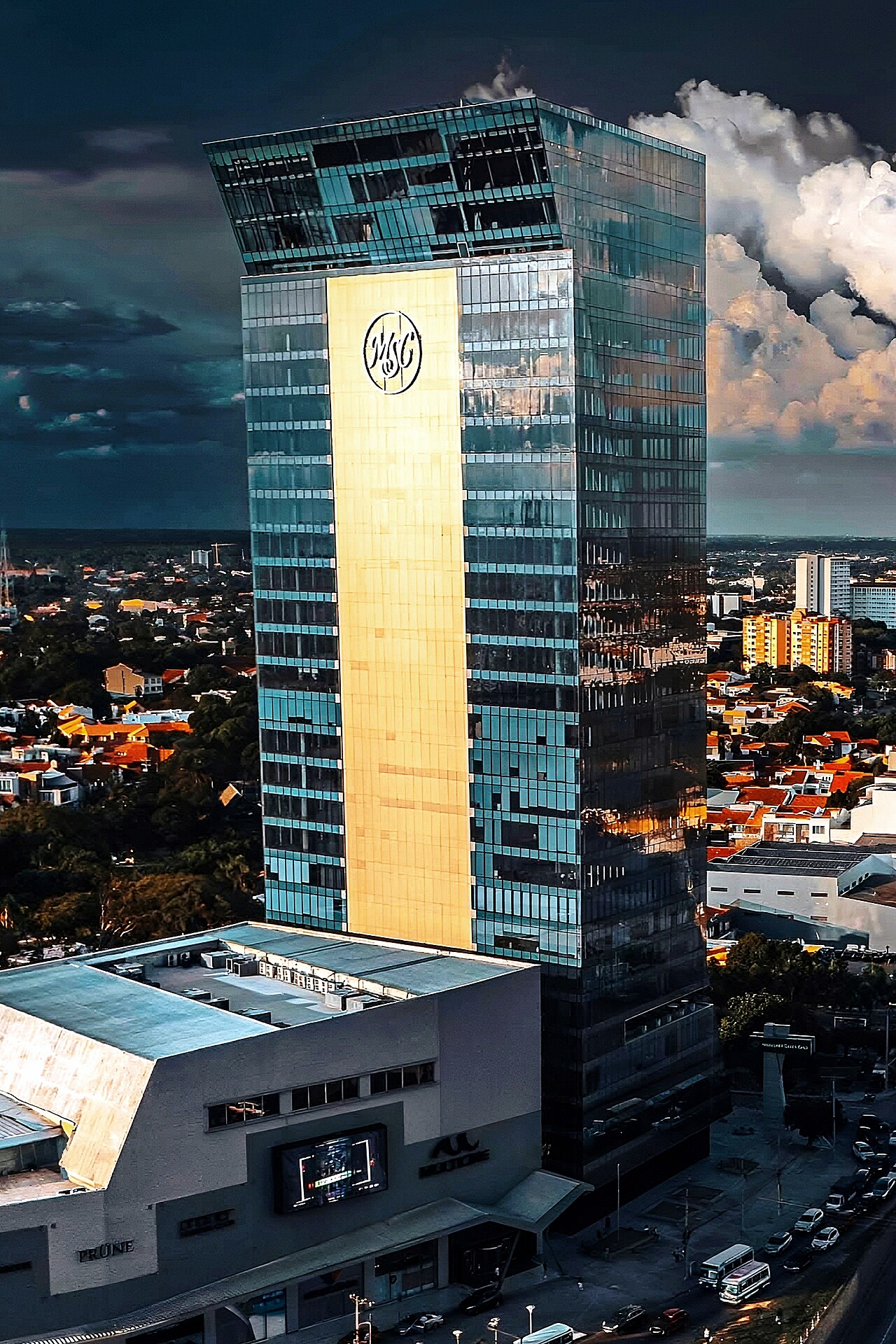
Regulated banks earned about US$540 million in 2025, with Banco Ganadero paying Bs 657.7 million (about US$95 million) as the fourth-largest taxpayer.
IMF Program Approval
The IMF approved a 36-month arrangement worth about US$1.9 billion on 2 October 2026, with US$214 million paid immediately.
Santa Cruz Agribusiness
Soy and derivatives earned US$448.1 million in the first half of 2026, with beef up 46% and sugar up 72%.
Economic Challenges
Bolivia's economy shrank 1.6% in 2025 while consumer prices rose 19.5% on average, with the IMF projecting a 100.2% public debt-to-output ratio in 2026.
State Company Taxation
YPFB's tax contribution fell from 13.7% to 9.3% of national revenue in 2025, despite paying the most tax among companies.
Lithium Market Concerns
Bolivia's lithium contracts with Chinese and Russian partners face uncertainty as Indigenous communities file popular actions and the Constitutional Court seeks expert opinions.
Fuel Subsidy Impact
Bolivia imports US$2.9 billion worth of fuel in 2025, with diesel prices rising to Bs 17.95 a litre in September 2026 after protests.
Economic Reforms
President Paz promised a 30% cut in the state apparatus and decrees to close or audit loss-making state enterprises.
What's Next
Bolivia's economy faces continued shrinkage in 2026 and 2027, with the IMF program and lithium contracts determining future economic stability.
The essence
Bolivia's economy is forecast to shrink 3.0% in 2026 and 1.5% in 2027, with President Rodrigo Paz, Economy Minister Christian Morales, and central bank president David Espinoza steering the country's economic direction.