From The Straits Times · · 1m
Israel's election scenarios
Israel's Oct 27 election could lead to coalition, minority government, national unity deal, or new elections.
In brief
Israel's Oct 27 election could lead to coalition, minority government, national unity deal, or new elections. Israel's next government may form a coalition, minority government, national unity deal, or trigger new elections after Oct 27 polls. Originally reported by The Straits Times.
Election context
Israel's oct 27 election is expected to be close with results forecast near 50-52 seats for Netanyahu's bloc and opposition.
Coalition scenario
Netanyahu's bloc and opposition each have 50-52 seats; coalition talks aim for 61 seats in the 120-seat knesset.
Minority government
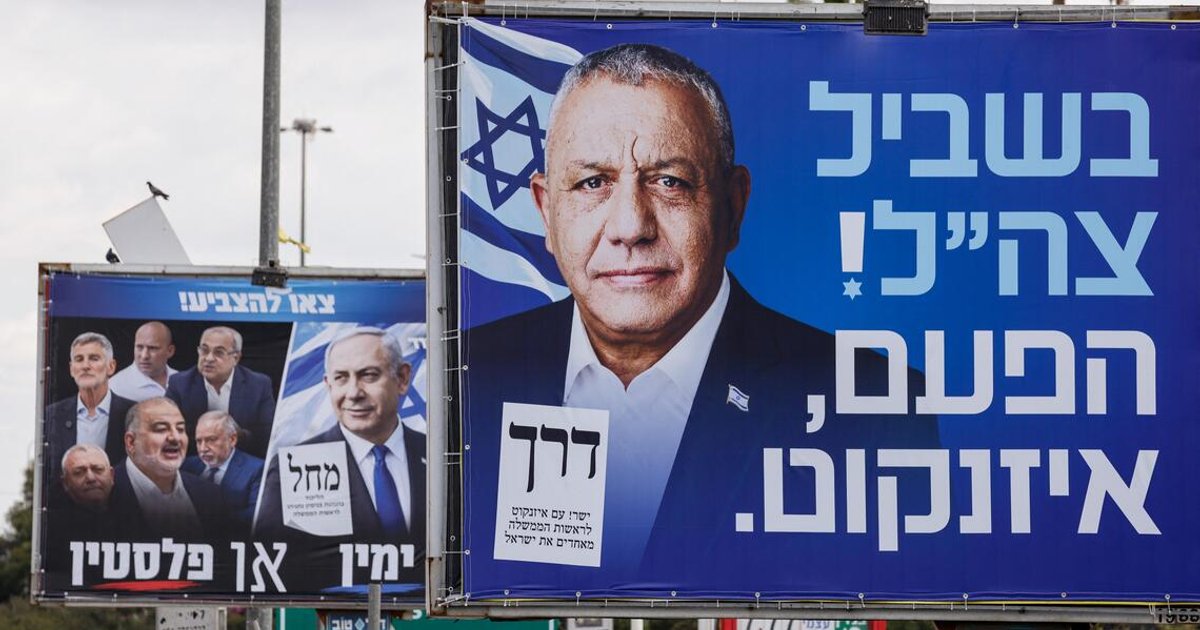
Arab parties could win 12-14 seats; they might support a minority government without majority.
National unity government
Netanyahu might team with Eisenkot to form a national unity government excluding far-right allies.
Deadlock scenario
If no government forms, Israel may hold new elections after a 28-day coalition formation period.
Historical context
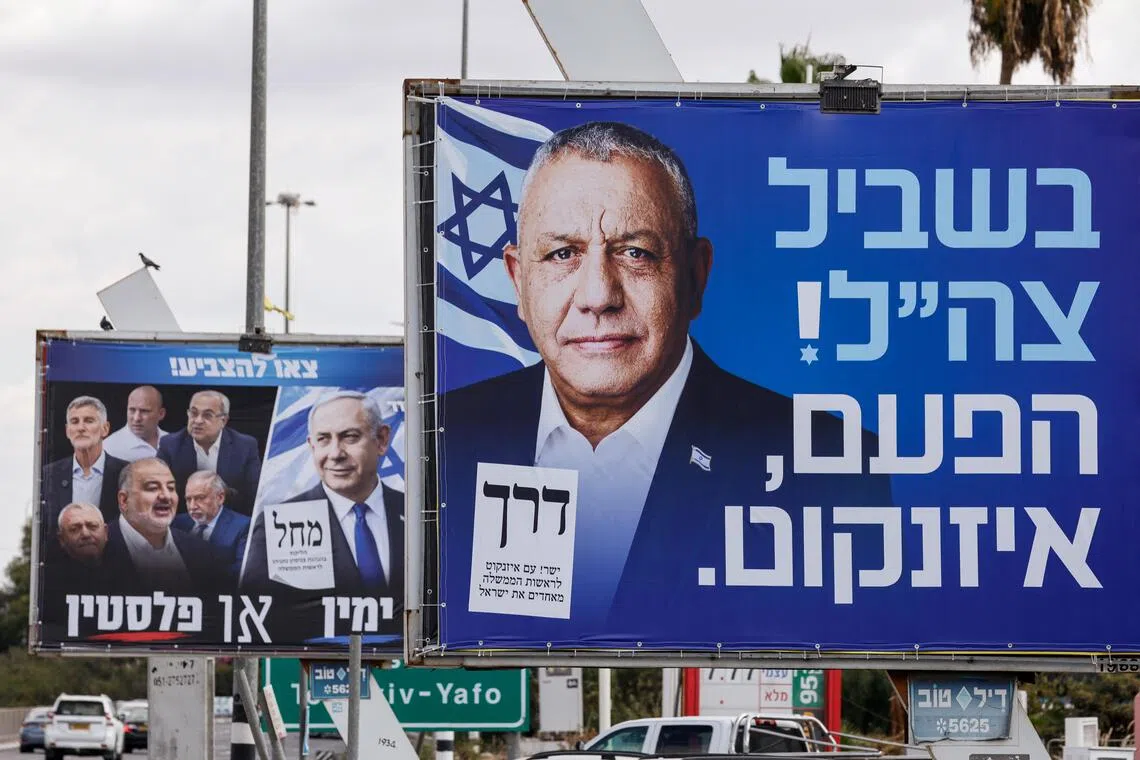
Israel held four elections between april 2019 and march 2021 due to coalition instability.
Key players
Benjamin Netanyahu, Gadi Eisenkot, and Arab parties like the Joint List and Raam influence outcomes.
The one thing
Israel's next government may form a coalition, minority government, national unity deal, or trigger new elections after Oct 27 polls.