From The Straits Times · Chin Hui Shan · · 1m 40s
Slowed Climate Action Momentum Affects Singapore's Decarbonisation Goals
Singapore's decarbonisation efforts face hurdles as global climate action slows, impacting its ability to meet electrification targets.
In brief
Singapore's decarbonisation efforts face hurdles as global climate action slows, impacting its ability to meet electrification targets. Singapore cannot meet COP31's 2035 electrification target with clean energy due to reliance on fossil fuels and international partnerships. Originally reported by The Straits Times.
Singapore's Climate Action Momentum
Singapore's decarbonisation progress depends on international climate action momentum.
Global Climate Action Slowing
Momentum on climate action has slowed among countries, affecting Singapore's decarbonisation goals.
Singapore's Emissions Dependency
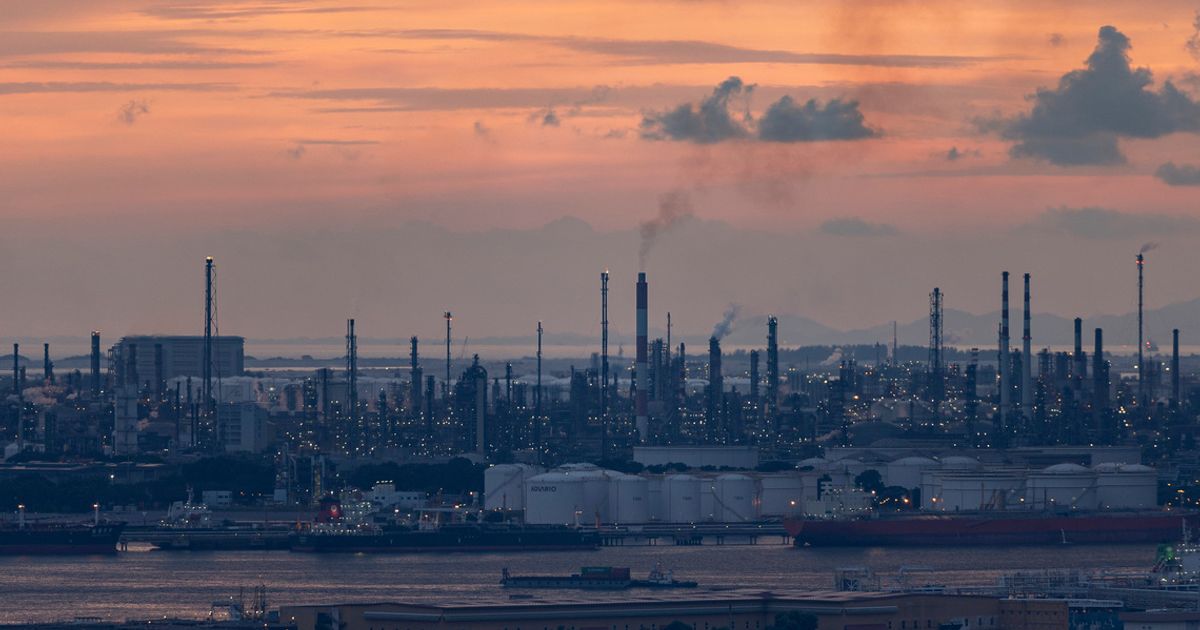
Singapore's energy sector contributes 40% of emissions and relies on international partnerships for decarbonisation.
COP31 Electrification Target
Singapore cannot meet COP31's 2035 target to increase electricity share from 20% to 35% with clean energy.
Singapore's Current Electricity Share
Singapore uses 30% electricity for energy demand, with 95% from natural gas and 4% solar power.
Singapore's Carbon Trading Pacts
Singapore has signed carbon trading agreements with Zambia and Kenya to offset emissions through carbon credits.
Regional Grid Plans
Singapore aims to import 30% of green electricity by 2035 and use ASEAN chairmanship to build a regional grid.
Electrification Challenges
Countries cannot agree on whether electrification must use clean energy sources in COP31's final outcome document.
Singapore's Climate Strategy
Singapore focuses on bilateral and polylateral climate action to advance decarbonisation despite global fragmentation.
The one thing
Singapore cannot meet COP31's 2035 electrification target with clean energy due to reliance on fossil fuels and international partnerships.
Read the TL;DR — this story on one card.