From The Texas Tribune · María Méndez · · 4m
2026 Texas land commissioner race: What you need to know
Three candidates compete to lead the agency that controls billions in disaster aid, school funding, and veteran services.
In brief
Three candidates compete to lead the agency that controls billions in disaster aid, school funding, and veteran services. The Texas General Land Office manages 13 million acres and $57 billion in school funding, making this race critical for disaster relief, education, and veteran support. Originally reported by The…
The oldest Texas agency
The General Land Office was established in 1836 and manages 13 million acres of state land, including 3,400 miles of coastline extending over 10 miles into the Gulf of Mexico.
Billions for schools and veterans
The GLO's Permanent School Fund holds over $57 billion in assets and distributes over $2.4 billion annually to Texas K-12 schools. It also manages veteran land loans up to $150,000 and home loans up to $766,550.
Disaster relief and cultural authority

The GLO administers aid after natural disasters and operates the Alamo. Before the current commissioner, the agency faced accusations of shortchanging communities of color in Houston during Hurricane Harvey relief.
Meet the incumbent
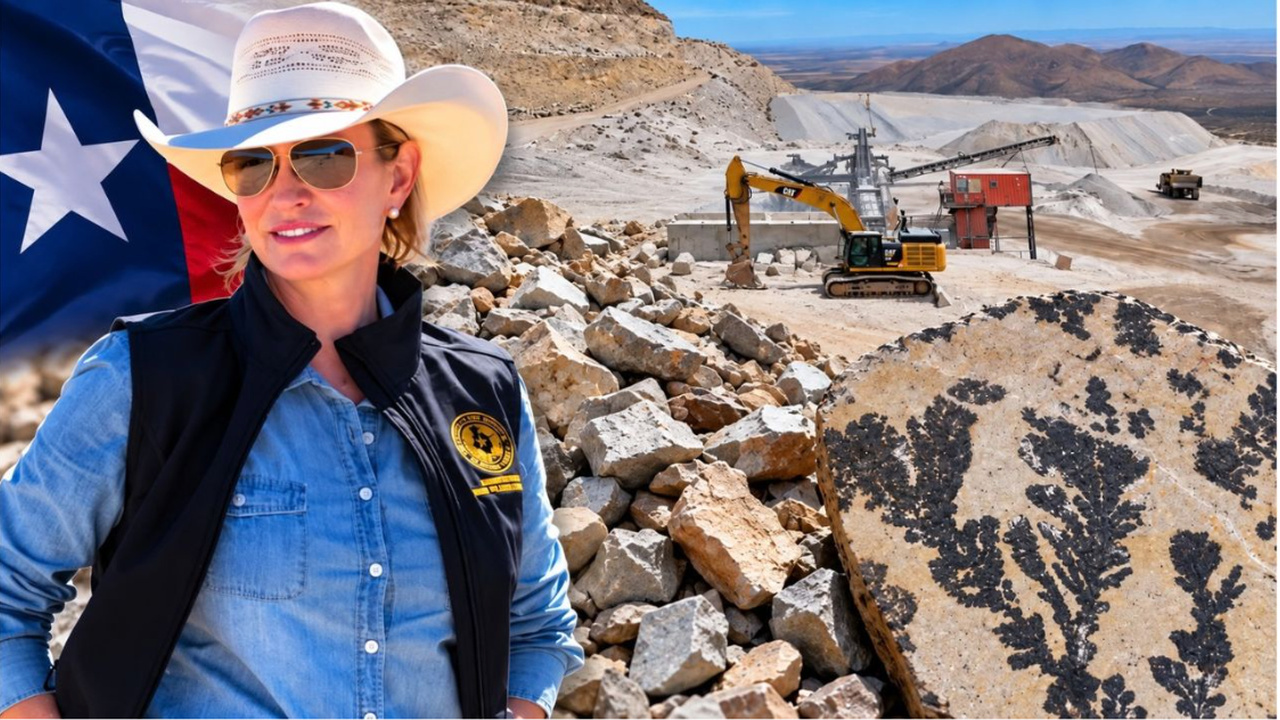
Dawn Buckingham, a former surgeon and first Republican elected to the Texas State Senate from Travis County, became the first woman to lead the GLO in 2022.
Buckingham's conservative priorities
She champions Texas oil and gas, opposes abortion, supports the Second Amendment, and has emphasized protecting Texas heritage by rejecting what she calls 'woke' reinterpretations of the Alamo.
Buckingham's record on disaster aid

During her tenure, the GLO delivered over $9 billion in disaster recovery funding statewide and an additional $1 billion for flood mitigation projects, according to her campaign.
Buckingham's border and energy focus
She launched the Jocelyn Initiative to assist in detaining and deporting undocumented immigrants and announced plans to develop geothermal energy, small modular nuclear reactors, and natural gas plants on state lands.
Buckingham's Alamo controversy
She criticized an Indigenous People's Day social media post from the Alamo Trust as 'woke,' leading to an investigation that forced out the CEO. She opposes recognizing Indigenous communities at the Alamo.
Meet the Democratic challenger

Benjamin Flores is a cybersecurity professional with 30 years of experience protecting county government. He moved from Austin to Bay City in 2016 and was elected to city council in 2023.
Flores switched from governor to GLO
Flores initially ran for governor but switched to the land commissioner race because he opposes how the current commissioner uses GLO resources for border and immigration enforcement.
Flores's education and climate focus
He strongly opposes school vouchers, arguing they undermine public education funding. He warns about climate change impacts on Texas's 367-mile coastline and supports building resilience against extreme weather.
Flores's disaster and veteran plans

He proposes streamlining disaster response by accelerating debris removal and contract approvals. He also plans to support veterans through partnerships to end homelessness and expand childcare access.
Flores supports the Alamo's former CEO
He opposed the ousting of Alamo Trust President Kate Rogers, who faced conservative backlash for recognizing Indigenous Peoples' Day. He supports freedom of speech and academic freedom.
Meet the Libertarian candidate
Neill Snider is a mechanical contractor and small cattle operations owner from Waco with four decades of experience in trade industries.
Snider's libertarian platform
He advocates for reducing taxes by maximizing profits from state land, supporting responsible energy production, and increasing transparency at the GLO.
Campaign cash tells the story
Buckingham has $3.2 million on hand with major donors from energy and business sectors. Flores has just $3,001 on hand. Snider has no funds raised.
The key point
The Texas General Land Office manages 13 million acres and $57 billion in school funding, making this race critical for disaster relief, education, and veteran support.