From The Verge · Terrence O'Brien · · 2m
Music gear makers embrace open source after vibe coding
As AI-powered firmware hacking spreads through the synth world, companies from Akai to Behringer are opening their devices rather than fighting back.
In brief
As AI-powered firmware hacking spreads through the synth world, companies from Akai to Behringer are opening their devices rather than fighting back. Music hardware makers are releasing open-source firmware and tools as vibe-coding AI agents make custom modifications inevitable, shifting industry strategy from…
AI tools spark firmware hacking wave

Powerful vibe-coding agents and tools like Reverse Engineer Anything have caused chaos in the music gear world, making every device vulnerable to modification by AI and tinkerers.
inMusic chooses collaboration over resistance
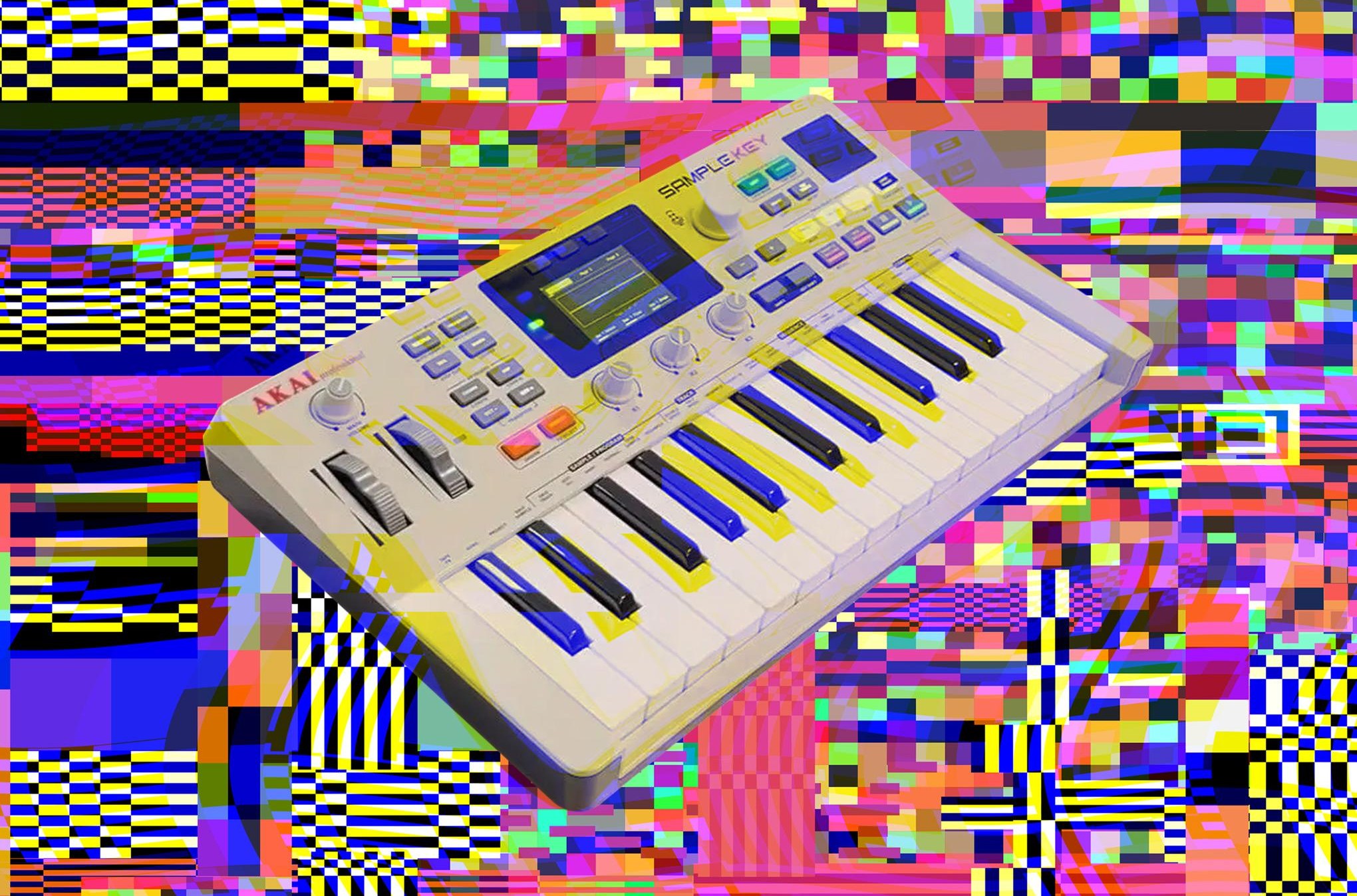
inMusic, parent company of Akai, Moog, and Native Instruments, decided to embrace modders. CEO Jack O'Donnell says the company will provide a toolbox and open-source devices including the MPC Sample Key.
“We're going to provide a toolbox to the community, we're going to provide the inner workings of, say, an MPC or Sample so that people can do what they want.”
Akai balances access with reliability
Akai is offering modders access while keeping products reliable for professionals. The company will provide a reset button so users can experiment without losing their original settings.
Behringer launches open-source clones
Behringer announced a one hundred fifty dollar clone of the MPC One called Kick, a clone of the E-mu SP-1200, the Anima DJ controller, the Ignite sequencer, and the Polykeys sixty-one MIDI controller, all open…
M-Vave's FM-1 started the movement
The seventy dollar M-Vave FM-1, a clone of the Yamaha DX7, became the synth of the summer because of its price and hackability. Over a dozen custom firmwares exist for it.
Skeptics question the real benefit
Erica Synths founder Ģirts Ozoliņš questions what fundamental problem vibe coding solves but sees sustainability value in modifying one device instead of buying multiple boxes.
“Inventions succeed if they solve some fundamental problems, right? So, I'm still wondering what fundamental problem vibe coding solves.”
Elektron resists but acknowledges rights
Elektron banned custom firmware links from its forums, warning modifications could brick devices and affect warranty. CPO Christian Alsing said users have a right to modify devices but pushed back on accusations of withholding features.
“We would always warn against modifications to our firmware and/or machines that could brick them (potentially rendering them unusable), prevent future updates, affect warranty coverage.”
Major makers remain silent for now
Roland, Korg, Arturia, and Novation have not commented on the vibe-coding explosion. Their response strategy remains unclear as the industry shifts toward open-source hardware.
At a glance
Music hardware makers are releasing open-source firmware and tools as vibe-coding AI agents make custom modifications inevitable, shifting industry strategy from resistance to collaboration.
Read the TL;DR — this story on one card.