From Tom's Hardware · · 3m
The border agent who swapped CPUs for store credit
A Homeland Security IT supervisor gutted 46 government PCs, put worse parts back in, and traded the good ones to Newegg.
In brief
A Homeland Security IT supervisor gutted 46 government PCs, put worse parts back in, and traded the good ones to Newegg. The theft only worked because nobody checked what was inside the machines. Hidden cameras, not asset audits, caught it after 14 months. Originally reported by Tom's Hardware.
An arrest in Calais, Maine
The FBI charged Terry "Jiajia" Liu, a Customs and Border Protection supervisor, with theft and damage to government property.
46 machines, three facilities
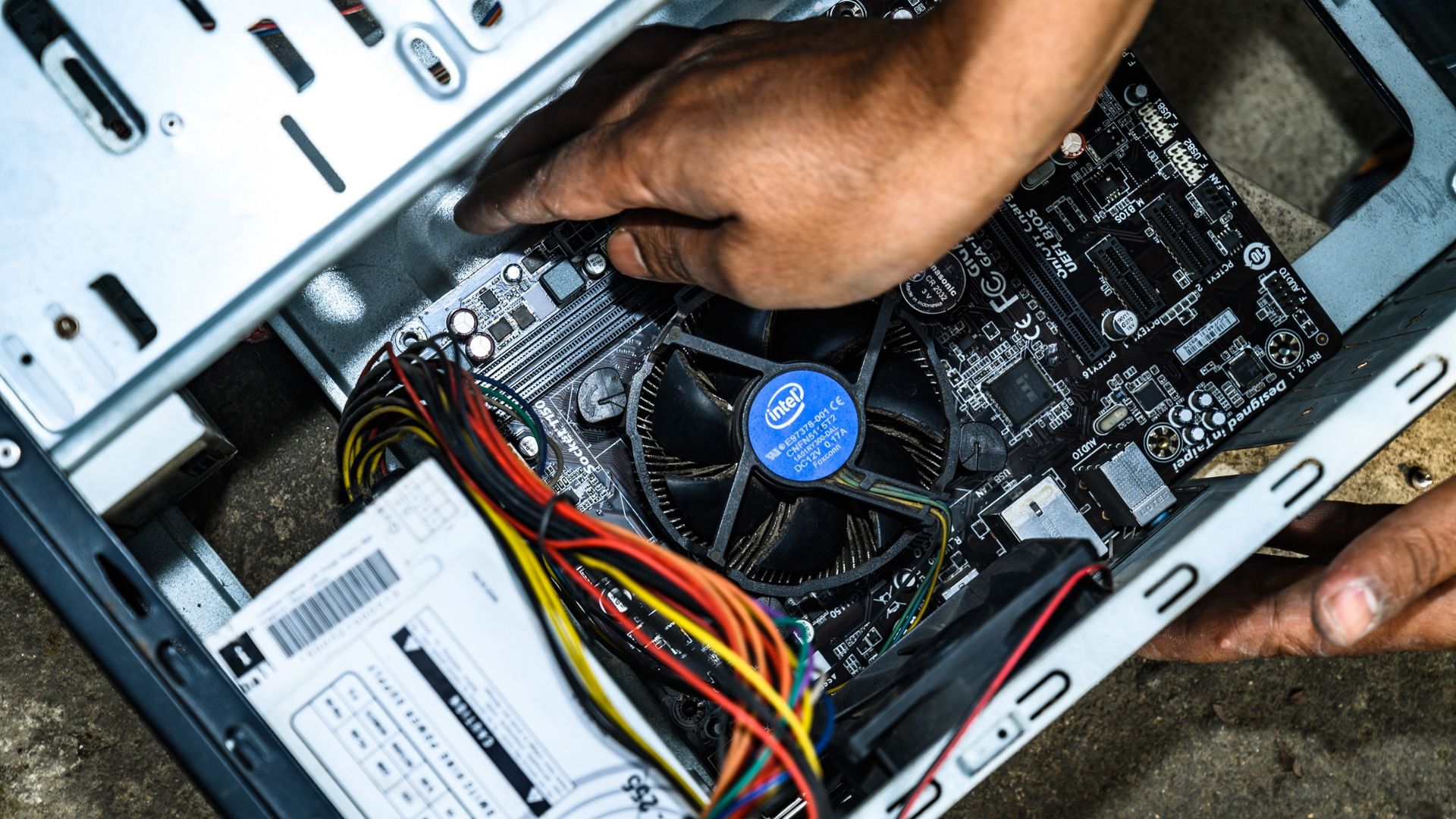
Liu allegedly pulled Intel 14th Gen Raptor Lake Refresh processors, memory modules and hard drives out of at least 46 Homeland Security computers.
Told in writing not to
Liu's job was IT support only, with no authority to modify government computers. Port Director Theodore Cummings put the restriction in a written order.
“Please do not move any computers or computer parts.”
Caught on the midnight shift
Hidden cameras recorded Liu opening government PCs during overnight hours, carrying systems to a training room to work on them out of sight.
A screwdriver and thermal paste
One recording shows Liu scraping thermal paste off a processor with a screwdriver before dropping in a replacement chip. Another caught a RAM stick going into a desk drawer.
The damage, counted
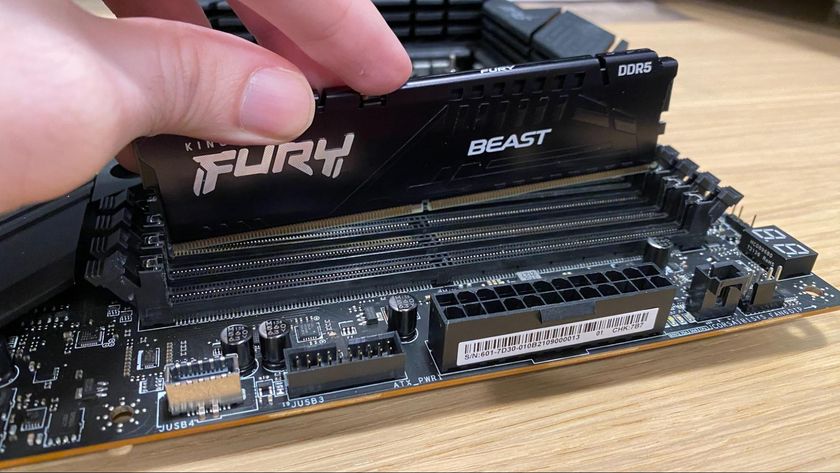
Investigators tallied 39 computers with swapped processors, six with swapped memory, and eight with changed hard drives.
Downgraded to Pentiums
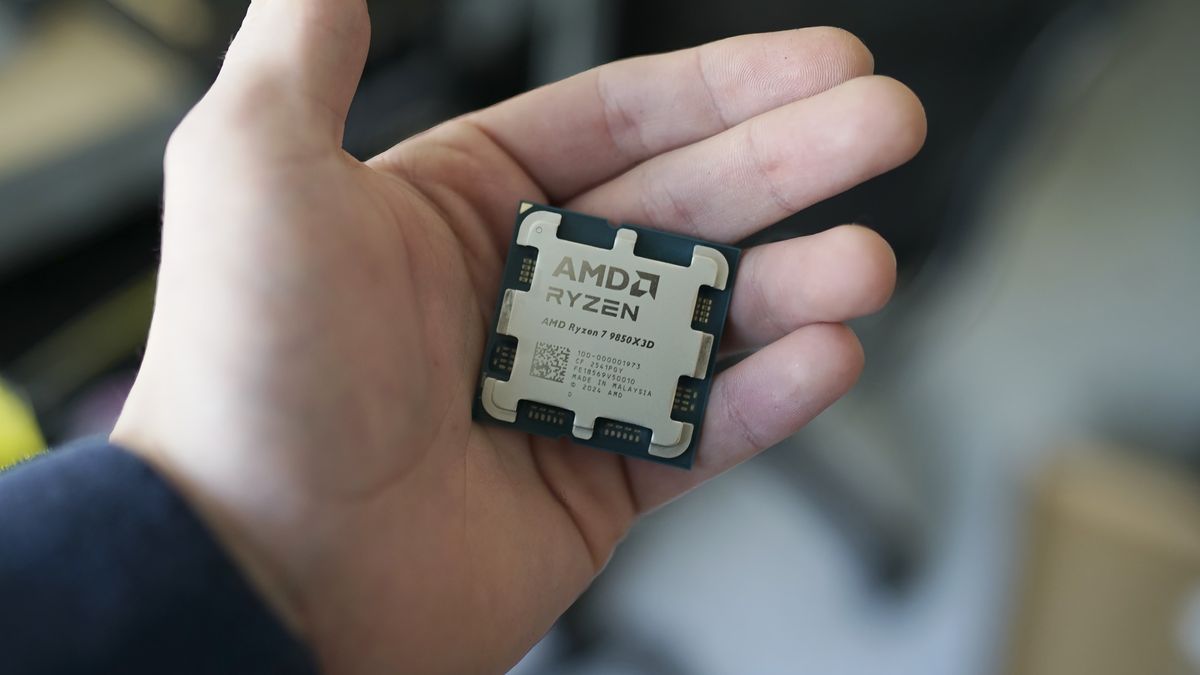
Machines that shipped with Raptor Lake Refresh chips turned up running much older silicon, in some cases Pentiums, with less memory and storage than their original build sheets.
Newegg instead of eBay
Rather than sell on the second-hand market, Liu used Newegg's Trade-In program, a quieter channel that pays in store credit.
The paper trail
Liu sent 13 emails between a personal account and an official CBP address carrying shipping labels and trade-in receipts for the exact processor models gone missing.
16 chips, 14 months
Newegg paid $200 to $210 per processor. Liu traded in Core i7 Raptor Lake Refresh chips 16 times from May 2025 to July 2026, with three $200 credits showing up in Amex records.
The performance excuse
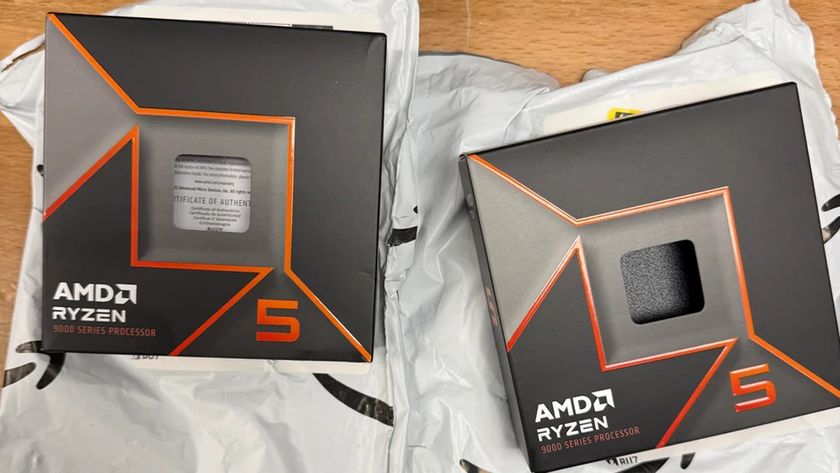
Liu confessed to buying cheaper parts on Amazon and Newegg as replacements, first claiming it was to speed the machines up, then admitting performance got worse.
$20,460 or $105,800
Restoring just the stolen parts runs about $20,460. Replacing all 46 compromised computers with equivalent hardware is estimated at $105,800, before the labour to reconfigure each one.
Warranties are gone too
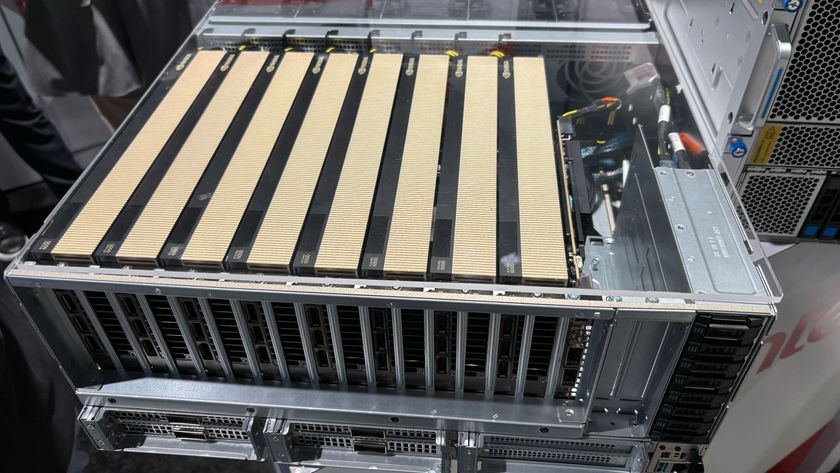
Whoever supplied those systems has no reason to honour a warranty on machines full of parts they never shipped, which is part of why the full replacement figure is the one that counts.
The headline
The theft only worked because nobody checked what was inside the machines. Hidden cameras, not asset audits, caught it after 14 months.