From Valleynewslive · · 4m
A Flock camera hit sent troopers to the wrong door
A license plate camera put Lindsey Isaacs in jail for a fatal crash her black Durango was never in.
In brief
A license plate camera put Lindsey Isaacs in jail for a fatal crash her black Durango was never in. A camera hit is a lead, not a verdict. When investigators treat plate data as proof, the burden quietly flips onto the innocent. Originally reported by Valleynewslive.
Troopers at the door

Lindsey Isaacs was asleep in her Palm Coast apartment when Florida Highway Patrol troopers started pounding. They told her she had killed three people.
“I thought I was getting set up. I didn't understand what was going on.”
The crash on I-4

Just before 10 p.m. on October 4, 2025, a multi-vehicle chain-reaction crash between Orlando and Daytona Beach killed three people. The driver fled into the night.
The evidence against her
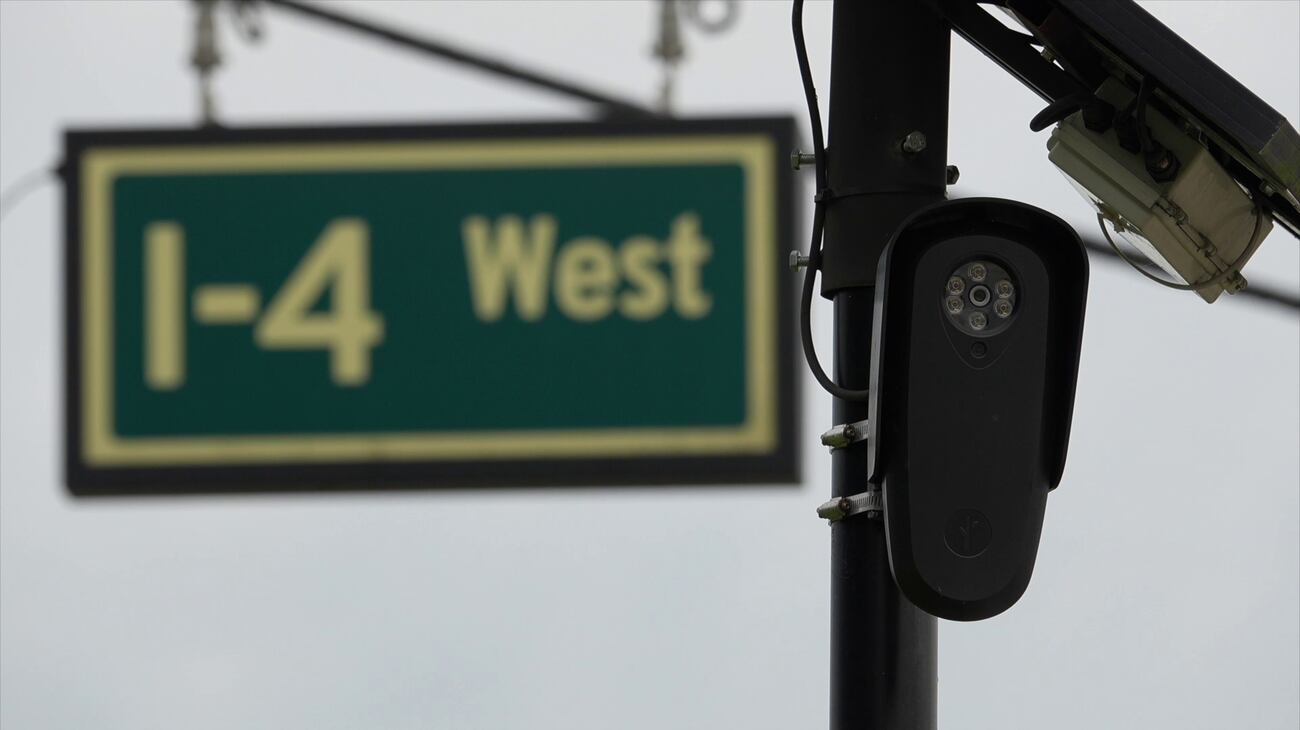
Two things: images of her Dodge Durango from a Flock Safety camera near the scene, and marks on the car troopers called consistent with the damage.
Seized, then charged
Her Durango was held for months. Ten weeks after she petitioned to get it back, she was booked instead, three counts of vehicular homicide and three of leaving a deadly crash.
Thirteen days inside
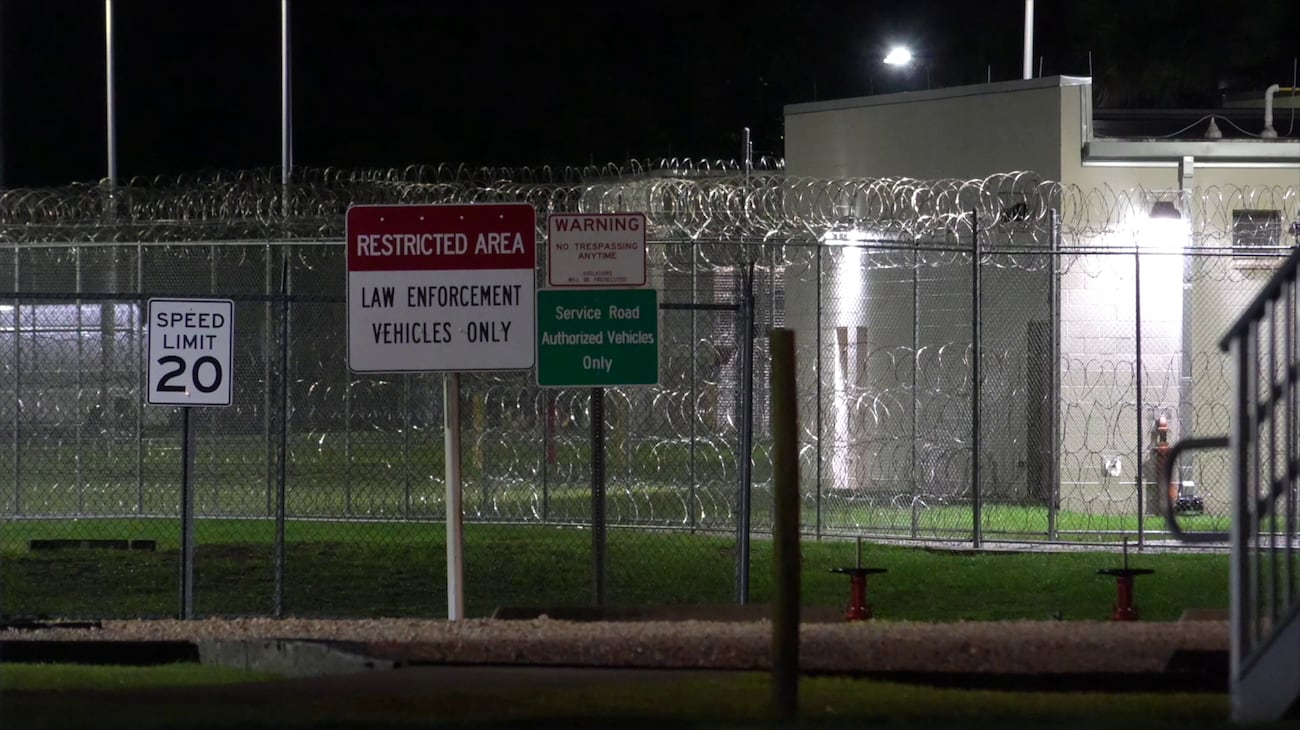
Isaacs was denied bond and sat in the Volusia County jail facing a possible life sentence for crimes she did not commit.
The car was the wrong color
The state attorney's investigation found paint transfer on a hit vehicle from a maroon Durango. Isaacs' Durango is black.
Three witnesses, three cars
One witness reported a black Durango, one white, one maroon with a partial tag. Investigators stopped at black.
“For some reason, they never went past the black Dodge Durango.”
Searching for a color
Deland's traffic homicide unit ran a Flock camera search specifically for a black Durango near the time of the crash. The search shaped the conclusion.
“They hooked onto this black Dodge Durango to the exclusion of everything else.”
A lead treated as proof

Cameras tracked Isaacs through the evening, including one three miles west of the crash. Her lawyer says that trail was read as guilt, not as a starting point.
“Absolutely confirmation bias, to the highest degree.”
The lawsuit against the troopers
Isaacs' civil filing says the investigation was inadequate, that evidence of her innocence was ignored, and that officers made false statements in court filings to fit the plate data.
“Major failure of police work. Major failure of basic investigative skills.”
Flock points at the police
The company says its cameras give leads, not verdicts, and notes Isaacs' own complaint calls the Flock data exculpatory: it placed her three miles away two minutes before the first 911 call.
“Flock cameras provide investigative leads; they do not identify perpetrators, determine guilt, or make arrest decisions.”
Not an isolated case
The Institute for Justice has tracked more than two dozen innocent motorists stopped or held at gunpoint after a misread plate or similar error.
Right plate, wrong person
Flock says it reads 93 of 100 plates correctly. In Colorado, Chrisanna Elser was accused of porch theft after her truck passed through town at the right time, and the officer said he was 100% sure.
“It sounds like it flipped the script to, 'You're guilty until you prove yourself innocent.'”
A face from a database
A Rhode Island woman sued in June after officers searched an associate's social media, decided she was the red-haired driver, and matched Flock footage to her license photo.
The Wild West of Flock
McGeehan, a former deputy and traffic homicide investigator, backs giving police plate data. His objection is that nobody is checking how it gets used.
“It's a good tool, but now it's unrestricted. It's the Wild West of Flock.”
Photos from the impound lot

At the bond hearing McGeehan showed pictures of the Durango sitting in impound with no damage at all. The judge kept her in jail, but a prosecutor took notice.
One day to unravel it
A state reconstruction team found no crash damage on day one. Re-interviews turned up a woman driving a maroon Durango, tied to a victim, whose plate matched the partial tag, with signs she hid the damage.
Freed, and still carrying it

Charges were dropped May 22 and the other driver was arrested hours later, pleading not guilty. Florida is now pulling Flock cameras from state rights-of-way, and Volusia County moved first.
“I have to carry this like a big bag of bricks for the rest of my life.”
The essence
A camera hit is a lead, not a verdict. When investigators treat plate data as proof, the burden quietly flips onto the innocent.


