From Valleynewslive · · 1m
Menopause knowledge gap leaves women with few answers
2 million US women face menopause confusion without clear guidance
In brief
2 million US women face menopause confusion without clear guidance Women need specialized care for menopause symptoms due to training gaps in healthcare Originally reported by Valleynewslive.
Quick answers
- What is menopause?
- Menopause is defined as 12 months with no menstrual cycle. Symptoms include hot flashes, sleep issues, anxiety, fatigue and joint pain.
- What is the key takeaway from Menopause knowledge gap leaves women with few answers?
- Women need specialized care for menopause symptoms due to training gaps in healthcare
What is menopause?
Menopause is defined as 12 months with no menstrual cycle. Symptoms include hot flashes, sleep issues, anxiety, fatigue and joint pain.
“My tolerance for anything was non-existent”
Katie Christensen's story
Christensen, 40s, struggled with fatigue and weight gain for years before her doctor connected her symptoms to menopause.
“I would drive home at night and be fearful for driving home because I was so tired”
Hysterectomy complicates diagnosis
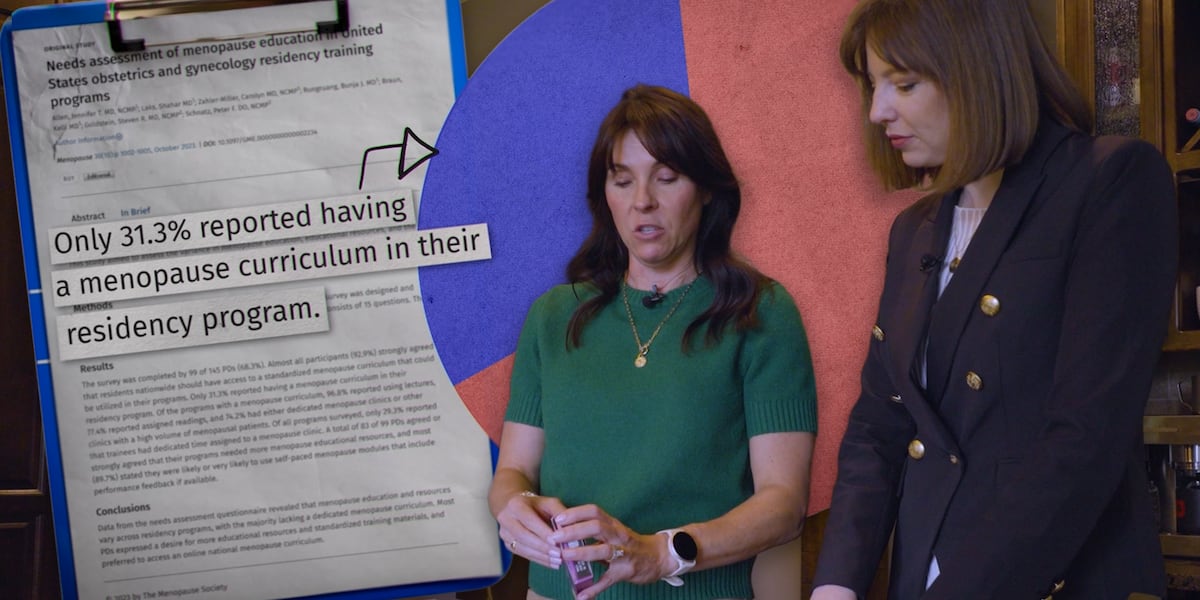
Women with hysterectomies often miss menopause diagnosis because they lack periods, even with ovaries intact.
“The word menopause was never even brought up”
Training gaps in healthcare
Fewer than one-third of OB-GYN programs have standardized menopause training, leaving many doctors unprepared.
“We have a deficit in education”
Perimenopause symptoms ignored
Over 50% of perimenopausal women receive treatment for anxiety, but 46% get no care despite symptoms.
“I said, this is a different level”
Hormone therapy updates
New FDA guidelines allow hormone replacement therapy after safety concerns were resolved through research.
“I would say overall being on hormones has made a huge difference”
Finding specialists
Women can search menopause.org for certified practitioners to get specialized care for menopause symptoms.
“You need to advocate for yourself”
In short
Women need specialized care for menopause symptoms due to training gaps in healthcare


