From Valleynewslive · · 2m
What your blood pressure numbers actually mean
The bottom number is the one most people ignore, and it tells you whether your heart ever gets a break.
In brief
The bottom number is the one most people ignore, and it tells you whether your heart ever gets a break. Know both numbers, start checking early, and treat a high bottom number as a sign your heart is never resting. Originally reported by Valleynewslive.
The quiet damage
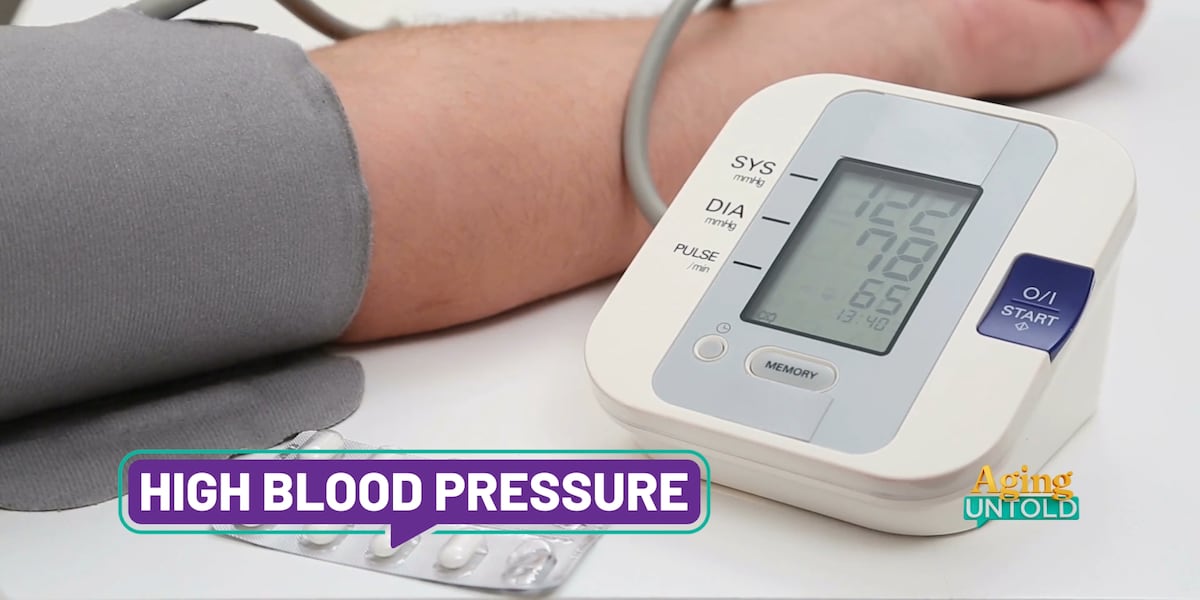
High blood pressure usually gives no warning signs. Left alone, it keeps damaging your body long before you feel anything, and the harm goes well beyond the heart.
It starts with inflammation
Board-certified physician Dr. Rhea Rogers says high blood pressure almost always begins as chronic inflammation injuring the blood vessels. The real work is finding where that inflammation comes from.
“These chronic inflammatory changes [are] damaging the blood vessels, basically.”
The layer protecting you
A thin, gel-like lining called the glycocalyx pads your vessel walls, regulates blood flow and shear stress, and keeps plaque and cholesterol from sticking.
“It actually regulates blood flow and shear stress.”
When the padding fails
Damage that layer and oxidative stress moves in. Rogers describes it as a kind of rusting inside the vessels, and that is where the trouble begins.
“You now get this oxidative stress, that rusting and all that, and problems occur there.”
The number people skip
Gerontologist Sam Cradduck says the top number is your heart contracting and the bottom number is your heart at rest. A high bottom number means it never gets that rest.
“Lots of people don't realize that bottom number is more important.”
A muscle that never rests
Over time a heart that never gets a break thickens and stiffens. Damaged vessels add resistance, so every beat is like walking up a hill instead of down a flat street.
“A muscle that's never at rest ... it thickens and it gets rigid.”
Two myths worth dropping
Aging expert Amy O'Rourke says the idea that only heavier people get high blood pressure is flatly untrue. Rogers adds that white coat spikes at the clinic are real but temporary.
“But it's temporary. That's the difference, when it doesn't change and it's chronic, there you have a problem.”
Age is not the gate
Cradduck has been on blood pressure medication since age nine, despite being a fit, athletic kid. Rogers also warns that 120 over 80 is already too high.
“No matter what age you are, you should always know your number.”
Track it, then act
Aging-well coach Katherine Ambrose points to apps that log heart rate, activity and sleep so you can see patterns. If your numbers stay high, take them to your doctor.
“Start thinking the whole system.”
The takeaway
Know both numbers, start checking early, and treat a high bottom number as a sign your heart is never resting.


