From Vanity Fair · Kristal Brent Zook · · 5m
A Different World returns to Netflix
Nearly 40 years after its cancellation, the beloved HBCU sitcom is back with a new generation ready to tackle the issues the original couldn't.
In brief
Nearly 40 years after its cancellation, the beloved HBCU sitcom is back with a new generation ready to tackle the issues the original couldn't. A Different World's Netflix revival finally gives the show's creators the creative freedom they were denied in 1993, allowing them to tell stories about Black life and social…
A hit show killed by one episode
A Different World was a top-five TV show, but NBC cancelled it in 1993 after a two-part season six opener about the 1992 Los Angeles uprisings following the Rodney King beating.
The network didn't want to relive it
NBC executives opposed the episode, objecting to rapper Sister Souljah's appearance and the inclusion of white looters. Executive producer Susan Fales-Hill recalls them asking, 'Why do you want to relive this?'
“Why do you want to relive this?”
They aired it anyway, then lost

Debbie Allen and Fales-Hill fought back, invoking high-profile allies in politics and media. The episodes aired to critical acclaim and strong ratings, but Fales-Hill believes it sealed the show's fate.
“We won the battle and lost the war.”
Cancelled with no goodbye
In 1993, producers Tom Werner and Marcy Carsey called Fales-Hill to say it was done. There was no negotiation, no thanks. Just pack up and move on.
“It's done.”
The spin-off that never was
NBC offered a consolation spin-off focused only on two couples, but wanted the show to pull back on relevance and consciousness. Star Jasmine Guy declined to participate.
Season one was a disaster
When A Different World launched in 1987, NBC ordered an apolitical, race-neutral formula. The show featured a white roommate played by Marisa Tomei but never acknowledged her race or why she attended an HBCU.
Debbie Allen saved the show
In season two, Debbie Allen was brought in by Bill Cosby himself. She sent writers to Spelman and Morehouse, changed hair and makeup practices, and brought authenticity that transformed the series.
It tackled everything that mattered
Over six seasons, the show addressed date rape, homelessness, sexual harassment, apartheid, colorism, Black Islam, the Persian Gulf War, and AIDS. It was the first network series to address HIV and a young female college student.
The AIDS episode changed everything
The show's highest-rated episode that year addressed HIV and a young female college student. The day after it aired, Planned Parenthood reported an increase of hundreds of walk-ins.
It inspired a generation
Letters poured in from teachers and professors acknowledging the show's influence. From 1987 to 1994, HBCU enrollment rose significantly.
Debbie Allen never gave up
Even as she directed Scandal, Girlfriends, and Grey's Anatomy, Allen pitched a reboot repeatedly. She was told no again and again, mostly due to the show's affiliation with Bill Cosby.
Felicia Pride almost walked away
Allen recruited Felicia Pride as showrunner. Pride had watched reruns as a kid and studied the step competition episode by pressing pause-play on her recorder, but got cold feet during development.
Allen convinced her to stay
When Pride walked away, Allen re-recruited her, saying 'It needs to be you.' As Pride puts it, 'You don't say no to Debbie.'
“You don't say no to Debbie.”
Netflix said yes immediately
Netflix co-CEO Ted Sarandos bought the reboot an hour or two after Pride and Allen pitched it. Netflix was already poised to support a show portraying a myriad of Black experiences and identities.
The new Hillman is cinematic
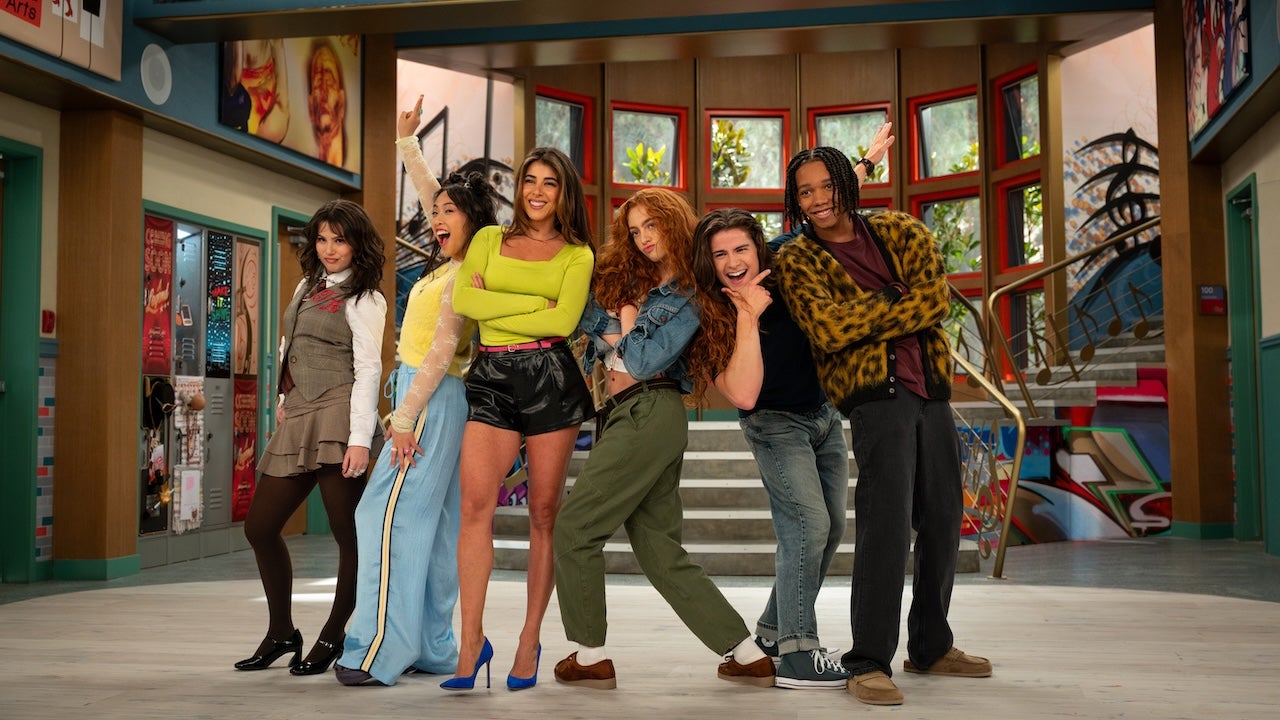
The reboot shifts from multicam sitcom to single-camera cinematography. Exteriors were shot on actual HBCU campuses in Atlanta, Clark, Spelman, and Morehouse, unlike the original filmed on a soundstage.
The new students tackle real issues
The reboot features Deborah Wayne, Dwayne and Whitley's daughter, alongside Shaquille, a superstar athlete; Amir, a gay student from Harlem; Hazel, a preacher's daughter; Kojo from Ghana and Nigeria; and Rashida from Compton.
Season one tackles funding cuts
Episode one focuses on the university's budget crisis and funding cuts to predominantly Black institutions. Other storylines include campus bomb threats, ICE raids, STDs, homophobia, chronic illness, and Black health.
Black joy is social justice
Felicia Pride defines social justice expansively: Black joy, Black love, and Black families coming together are all revolutionary. The show emphasizes familial love, community, art, self-love, and friendship.
“Black joy is a social justice issue. Black love is a social justice issue.”
HBCU students shaped the show
The show sought advice from an HBCU council of 10 students from Spelman, Morehouse, Clark Atlanta, Howard, Florida A&M, and Lincoln. Five were embedded in the writer's room, five on set. All were paid and credited.
It's a warm hug for dark times
Felicia Pride wants the show to feel like a warm hug, especially now. She hopes young Black people feel seen and heard, and that the show feels joyful and hopeful during these trying times.
“I want young Black people to feel seen and heard. I want it to feel joyful…hopeful.”
What matters most
A Different World's Netflix revival finally gives the show's creators the creative freedom they were denied in 1993, allowing them to tell stories about Black life and social justice without network interference.