From Vox · Sara Herschander · · 3m
Gates bets $1 billion AI can fix what foreign aid cuts broke
The Gates Foundation is wagering that artificial intelligence can help compensate for collapsing global health infrastructure.
In brief
The Gates Foundation is wagering that artificial intelligence can help compensate for collapsing global health infrastructure. AI tools may help stretched healthcare workers and teachers serve more people, but they still need basic infrastructure like power and clinics to work. Originally reported by Vox.
Gates announces $1 billion AI bet

The Gates Foundation will spend $1 billion over two years on AI interventions across healthcare, education, and agriculture in developing countries.
Foreign aid cuts caused child deaths
The Gates Foundation reported rising child deaths for the first time this century after widespread global health cuts and collapsing foreign aid infrastructure.
OpenAI partnership targets Rwanda healthcare
At Davos, Gates announced a $50 million partnership with OpenAI to improve healthcare in Rwanda, followed by a $200 million deal with Anthropic.
“Using innovation, using AI, I think we can get back on track.”
AI compensates for missing infrastructure

In infrastructure-poor parts of Africa, the foundation bets AI can make up for physical systems that aren't in place or have been lost to cuts.
Kenyan clinics see diagnosis improvements
One AI tool improved medical diagnosis accuracy by 16 percent across several Kenyan clinics, according to the foundation's early results.
“In poorer countries with enormous health worker shortages and lack of health systems infrastructure, AI can be a game-changer.”
Aid cuts shuttered thousands of clinics
Last year's foreign aid cuts closed thousands of clinics and perhaps hundreds of thousands of classrooms where workers and supplies were already stretched thin.
AI can't replace human workers
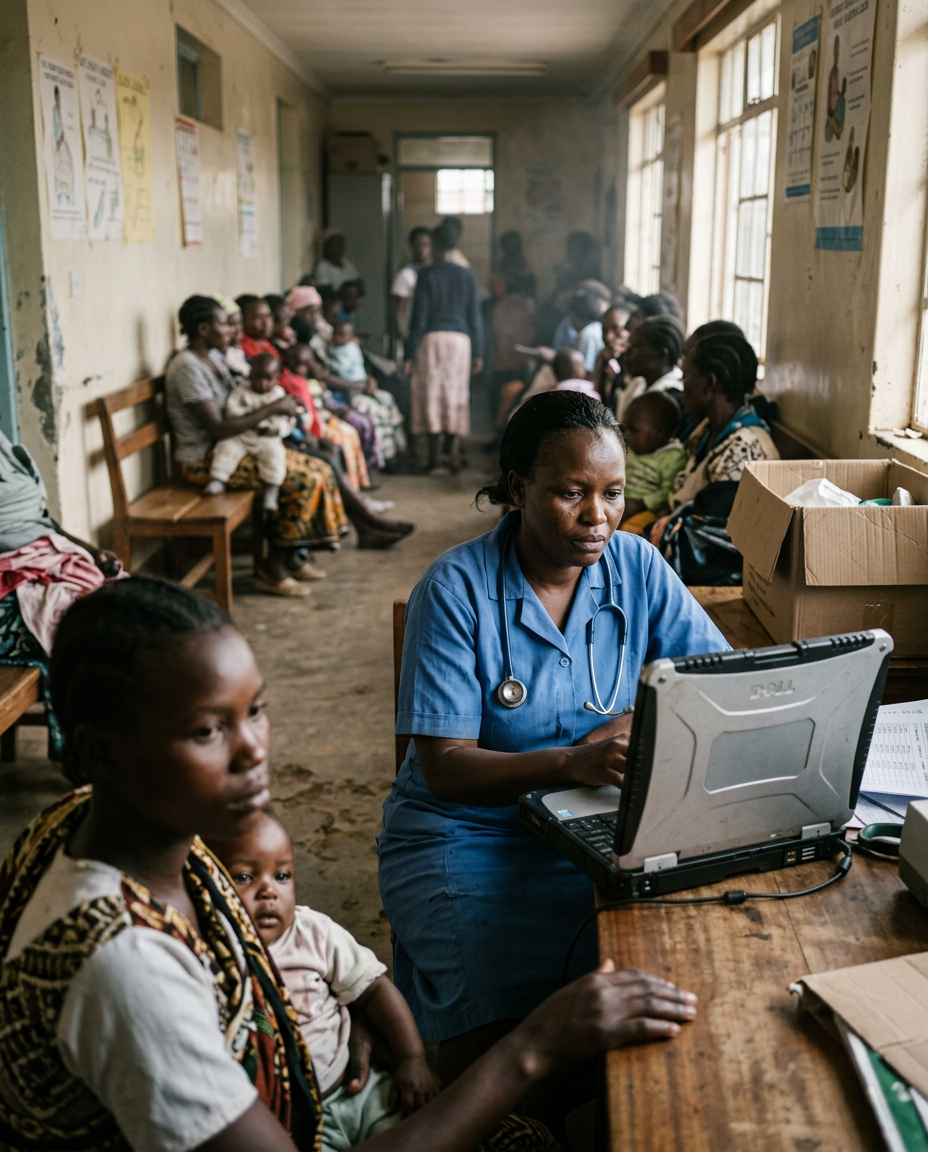
AI cannot deliver babies, administer vaccines, or manage classrooms. But it can help nurses and teachers now serving far more people than they should.
“This is the most transformative technology of our lifetime.”
Zipline drones deliver blood in Rwanda

The State Department partnered with Zipline for $150 million to transport medical supplies. Drones can deliver blood transfusions in minutes where driving takes hours.
Drones still need clinics to land
Some rural clinics that serve as drone landing spots are now closing due to aid cuts, limiting the effectiveness of high-tech delivery solutions.
“Without the underlying infrastructure, like roads, energy and power and unless there is accessibility, then all of these solutions will stop short.”
Communities went dark after USAID cuts
Satellite imagery shows rural communities in sub-Saharan Africa literally went dark after USAID cuts, making it harder to use AI tutors or farming apps.
AI meant to supplement, not replace
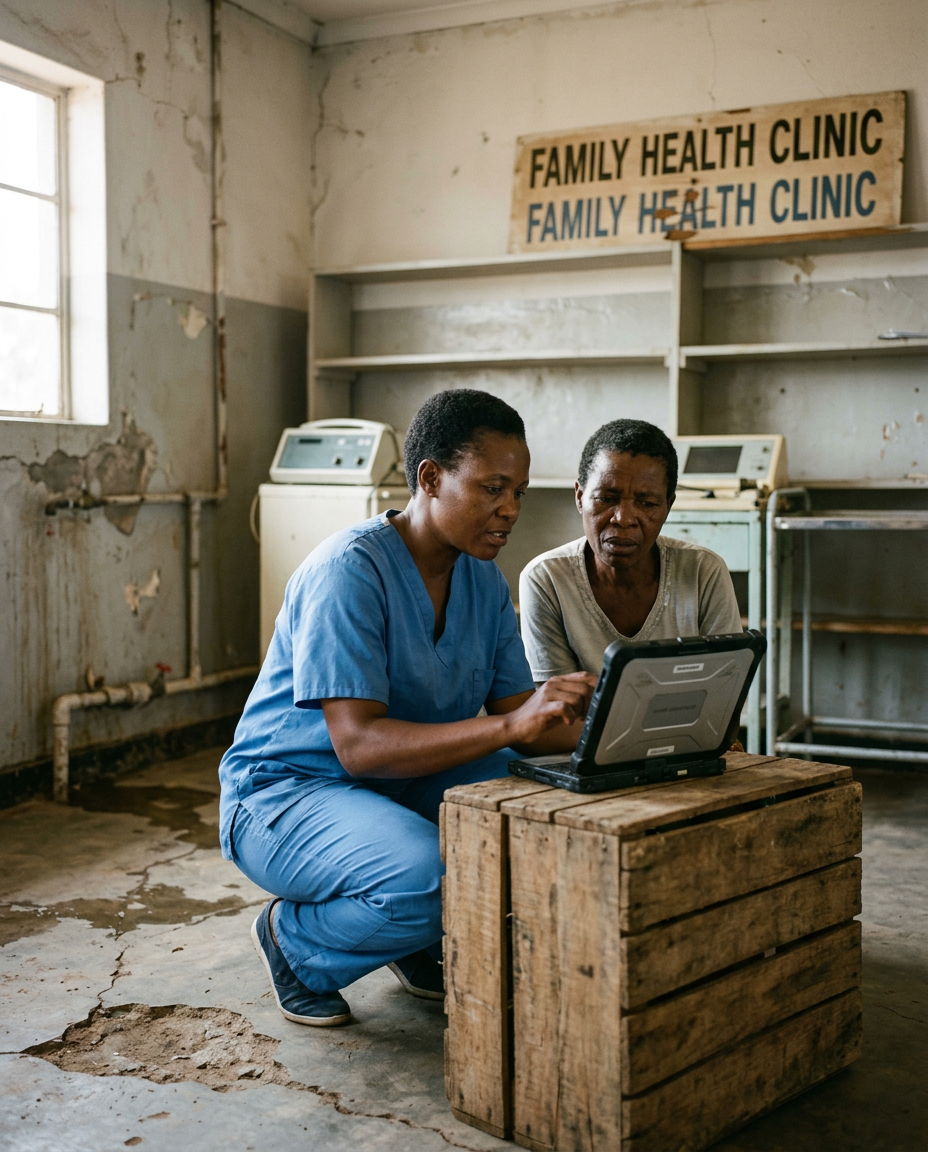
Suzman calls traditional funding for education and healthcare the bedrock for growth, which AI should supplement. But aid cuts have left serious cracks in that bedrock.
“We're seeing this very much as a both/and.”
Digital banking came before physical banks
In some parts of the world, digital banking arrived before local branches, connecting people to cheap ways to save and send cash before traditional infrastructure existed.
Gates warns AI could worsen inequality
Gates blogged that AI will be either the greatest equalizer or worst source of injustice. He told the Times innovation may be a net negative.
“I don't like bringing bad news to people, and I don't like saying that innovation may be a net negative. But that's where we are.”
Decisions now shape the next two decades
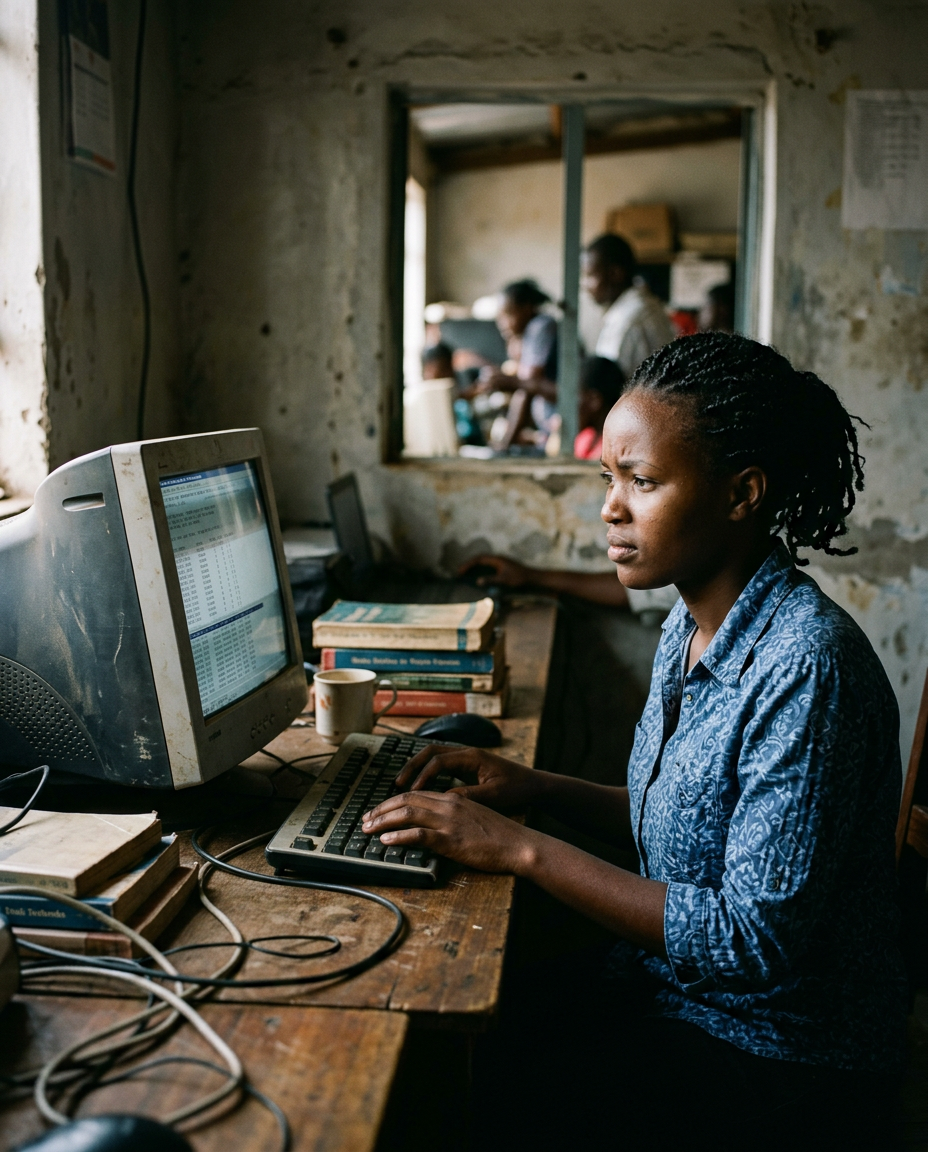
Without action, the best parts of AI will go only to those who can pay, while the worst parts fall on those who benefit least.
“These decisions are being made now, and the decisions being made now will then probably shape the following two decades.”
What to remember
AI tools may help stretched healthcare workers and teachers serve more people, but they still need basic infrastructure like power and clinics to work.