From Vox · Rachel Cohen Booth · · 4m
Homelessness falls, but the fight over why rages on
Federal data shows a historic drop in homelessness, but the Trump administration and housing advocates blame different causes and back opposing solutions.
In brief
Federal data shows a historic drop in homelessness, but the Trump administration and housing advocates blame different causes and back opposing solutions. US homelessness fell six point three percent in January, the largest one-year drop since counts began in two thousand seven, but the Trump administration and…
The annual count finds fewer homeless people

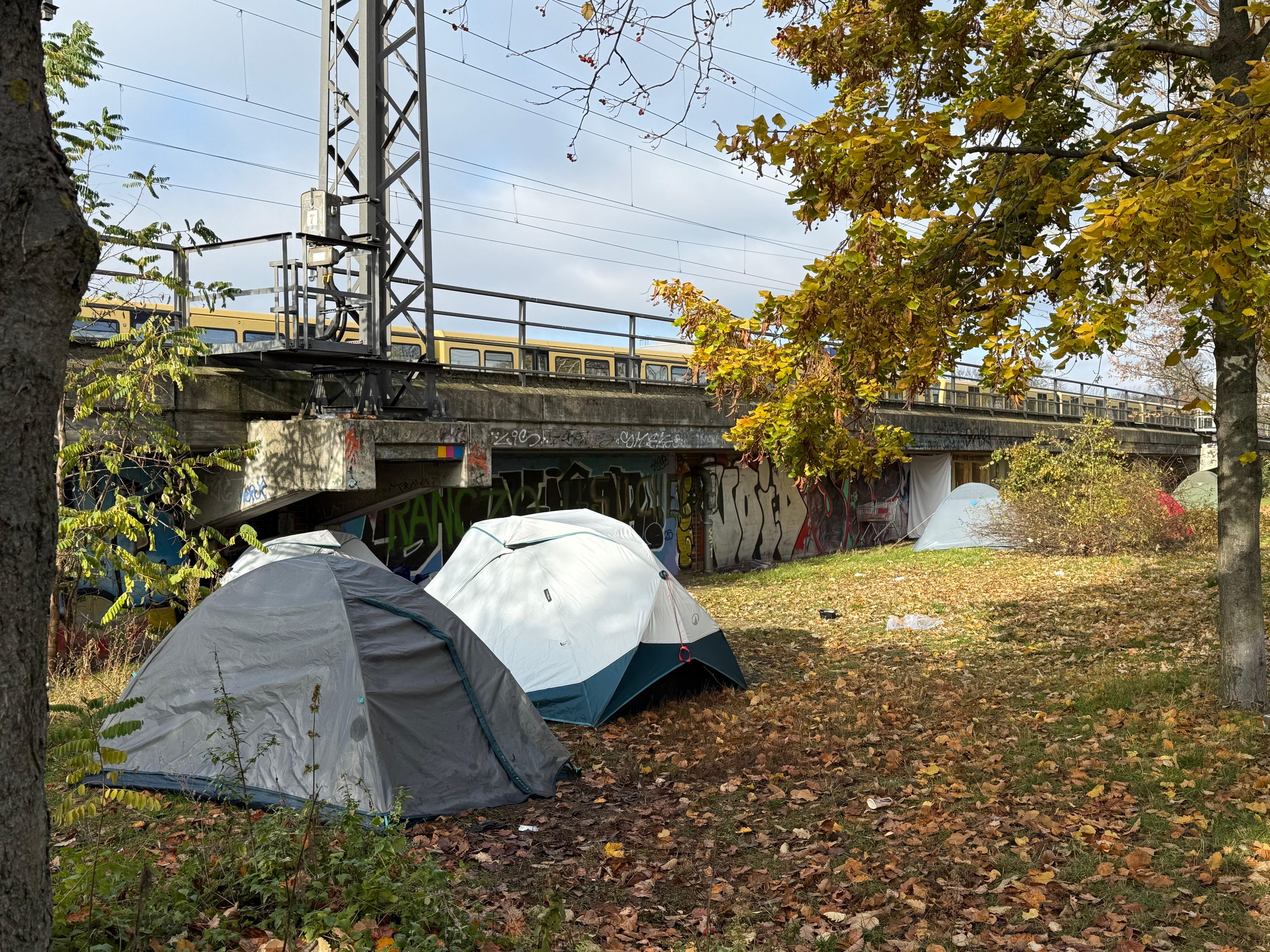
On a cold night in January, social workers fanned out across the country to count homeless people on streets, trains, and in tents.
The biggest drop since counts began
If the preliminary number holds, it would be the largest one-year drop since national counts began in two thousand seven.
Trump credits border security for the drop
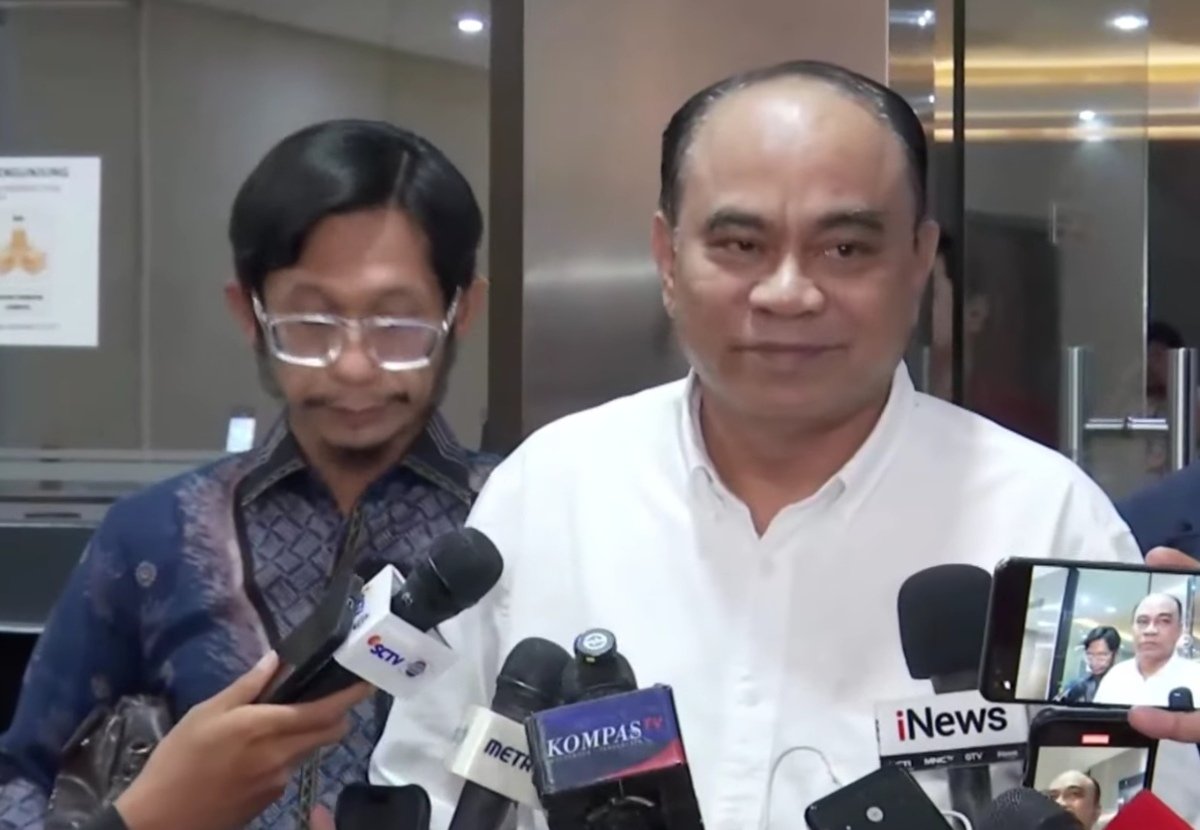
HUD Secretary Scott Turner told Vox that President Trump's actions to secure the border, get criminal illegals off our streets, and restore safety to our communities drove a historic decrease in homelessness.
“President Trump's actions to secure the border, get criminal illegals off our streets, and restore safety to our communities drove a historic decrease in homelessness.”
Asylum seekers leaving explains much of the drop
Both sides agree that the rapidly decreasing number of newly arrived migrants is part of the story.
Chronic homelessness barely changed
The heart of the dispute between the White House and advocates concerns chronically homeless people, meaning those homeless for at least a year or repeatedly over three years with serious mental illness or addiction.
Trump blames Housing First policies
HUD Secretary Turner blames failed Housing First policies, the approach of giving people permanent housing without first requiring them to get sober or enter treatment, for keeping homelessness so high.
Advocates credit local programs and permanent housing
Homeless advocates see things differently, favoring programs that aim at getting people shelter first and then using that as a stable base for additional services.
Trump redirects federal homelessness money
Since taking office, President Donald Trump has attacked Housing First policies and tried to steer federal homelessness money away from permanent housing toward short-term housing and treatment programs.
Not enough housing for chronically homeless people
Ann Oliva argues that a big part of why chronic homelessness is stuck is that communities do not have enough housing.
Medicaid cuts undermine mental health services
Oliva agrees that more mental health and addiction services are needed but pointed to the administration's cuts to Medicaid, which is the main way many homeless people access that care.
“Cutting Medicaid while asking HUD's homelessness program to fill the gap is backwards from a public policy perspective.”
Federal funding deadline looms for distribution
Congress gave HUD until December first to hand out the first round of this year's roughly four billion dollars in homelessness grants.
Policy changes will affect people already housed
Adam Ruege, principal of policy and evaluation at Community Solutions, said those with the most to lose are the ones who already have a home.
“This is not some conceptual 'Housing First, Treatment First' debate. These changes will mostly affect people who are currently housed.”
The essence
US homelessness fell six point three percent in January, the largest one-year drop since counts began in two thousand seven, but the Trump administration and advocates disagree sharply on what caused it and how to proceed.
Read the TL;DR — this story on one card.