From WIRED · Molly Taft · · 2m
Army detonates lead in Iowa. Now scientists race to measure the fallout
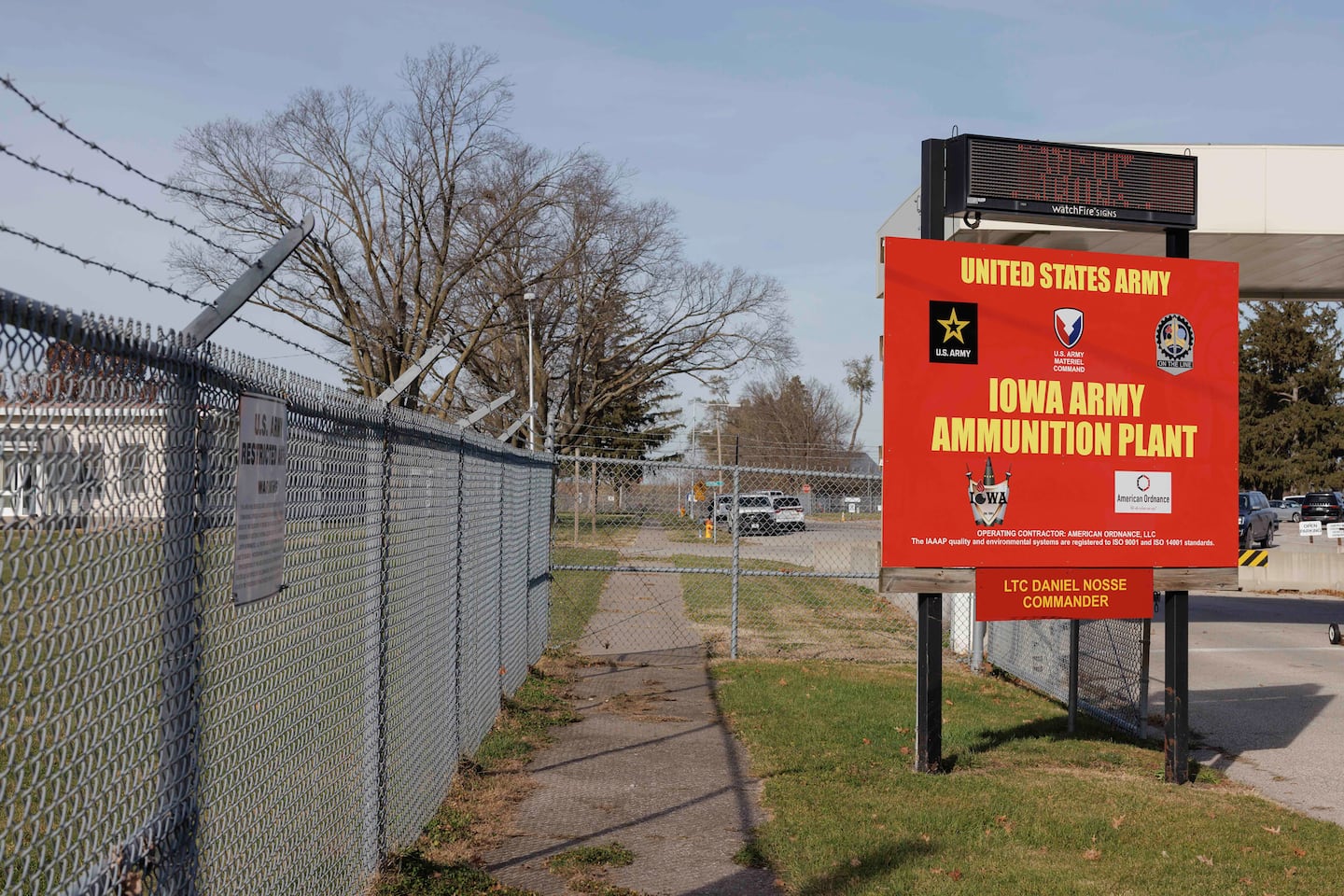
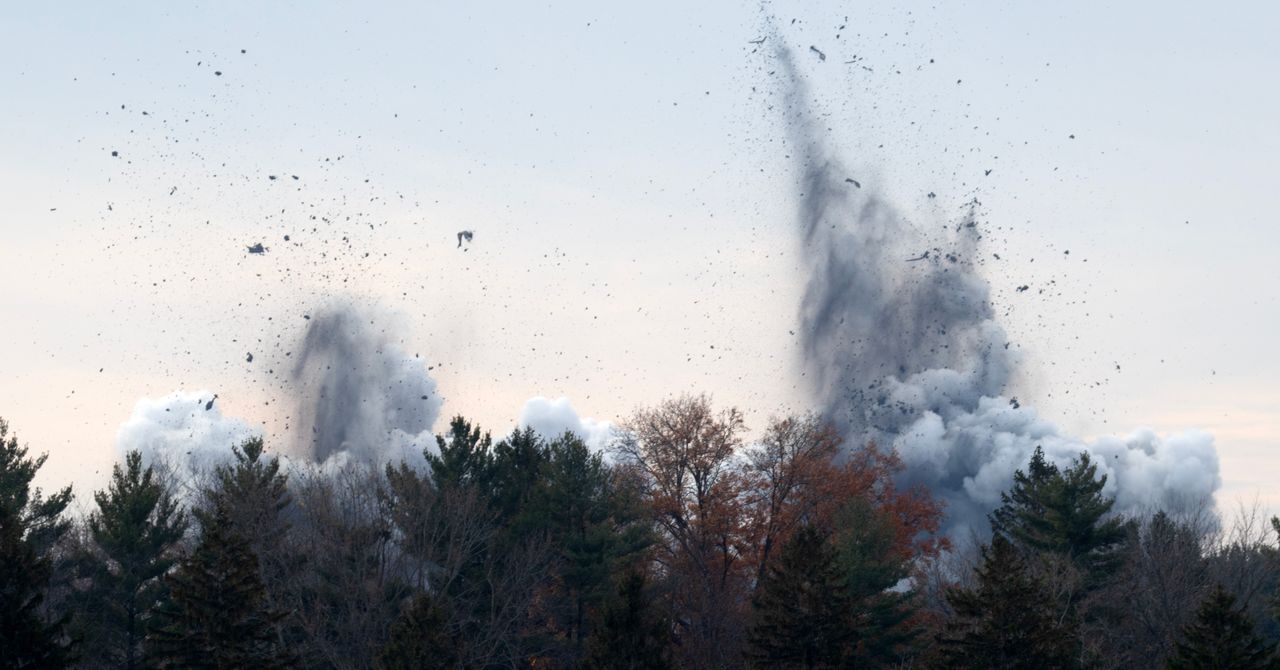
The US Army blew up nearly five tons of degraded lead azide outside Middletown, Iowa on Wednesday. Universities and federal agencies are now scrambling to test air, soil and water to find out what damage was done.
In brief
The US Army blew up nearly five tons of degraded lead azide outside Middletown, Iowa on Wednesday. Universities and federal agencies are now scrambling to test air, soil and water to find out what damage was done. The US Army detonated nearly five tons of degraded lead azide outside Middletown, Iowa on Wednesday…
Army detonates lead azide in Iowa
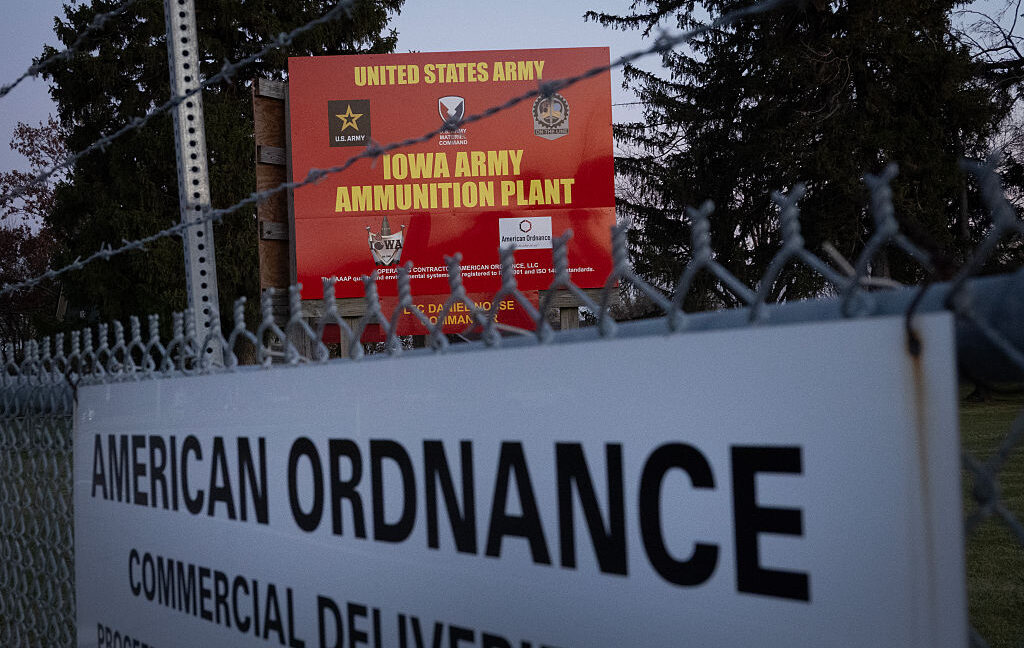
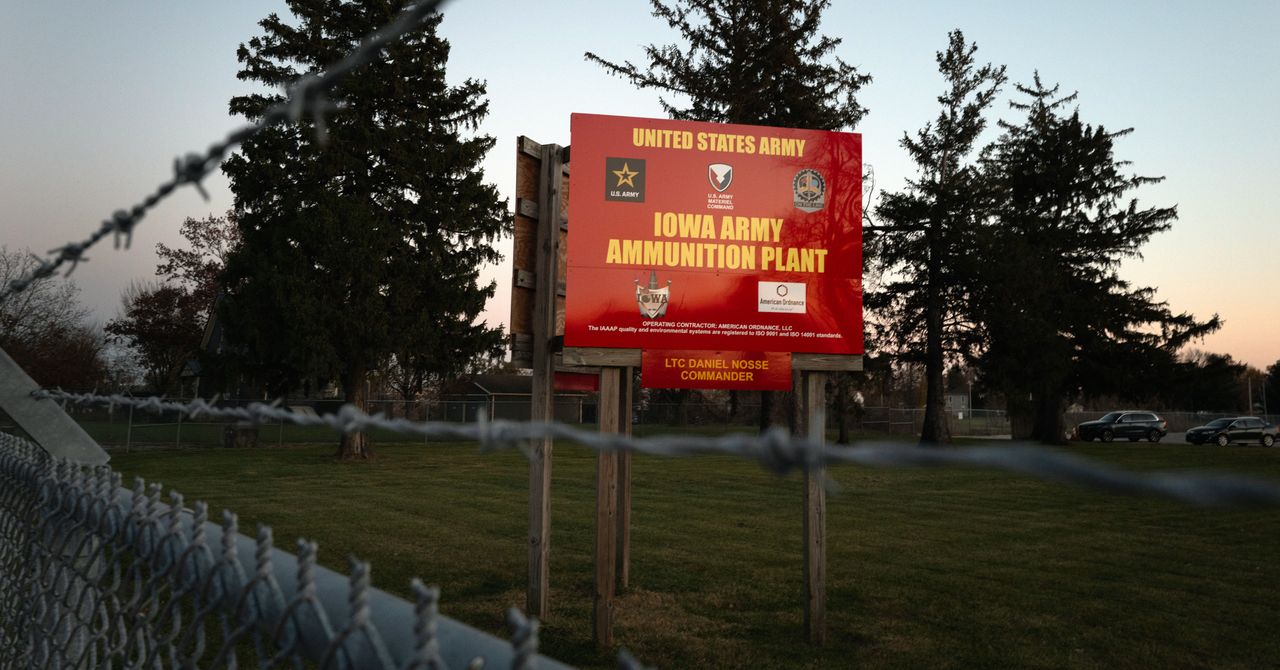
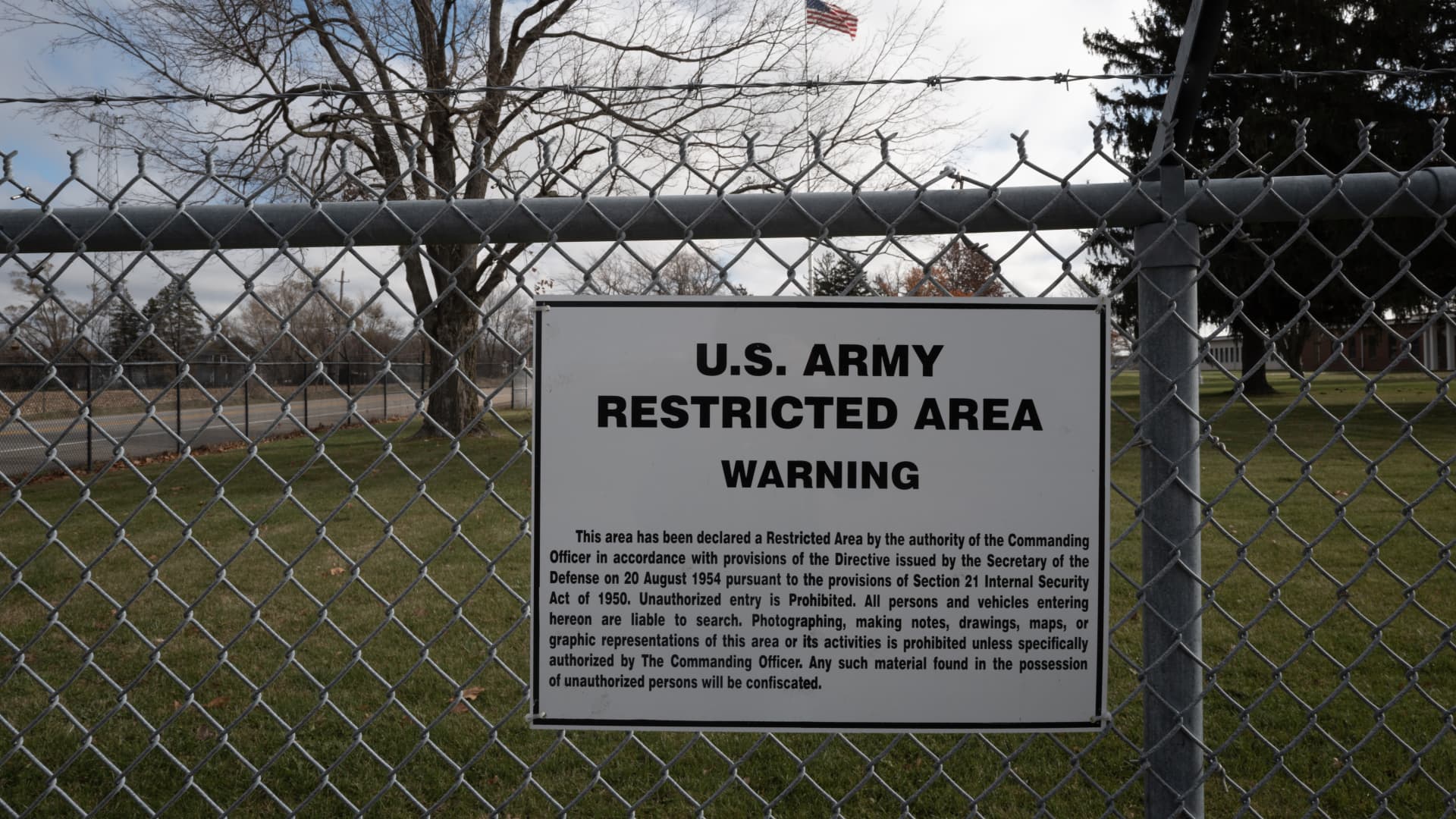
On Wednesday morning, the US Army detonated nearly five tons of degraded lead azide outside of Middletown, Iowa.
“preliminary monitoring from the site detected no lead in the air around the site”
Full extent of fallout still uncertain
The full extent of the fallout may not be certain for at least a few days.
Poor communication sparked public uproar

The lead azide had been on the base near Middletown for decades.The Army deemed it unstable and too dangerous to move.
Universities mobilised before federal response
Universities had already begun monitoring efforts due to the chaotic rollout.Several departments at the University of Iowa set up air and soil monitoring stations late last week.
“Initially we did not know that [the] EPA or Army or anybody else was going to be doing anything”
University monitoring aims to rebuild trust

Thorne says university efforts are not meant to displace federal monitoring but to supplement and support it and hopefully reassure the public.
“If they agree, they can give us some confidence”
Crops and water unlikely to be affected
Jeffrey Catalano, a professor of earth and environmental sciences at Washington University in Saint Louis, says corn is pretty bad at absorbing lead.
“plants like corn are actually pretty bad at absorbing lead”
Broader lead hazard elsewhere demands attention
Thorne says communities across the country deal with legacy pollution and dangerous lead levels daily that deserve attention and remediation.
“There are a lot of places around the country where there's a much greater lead hazard than I'm going to anticipate what we'll end up with here”
What it means
The US Army detonated nearly five tons of degraded lead azide outside Middletown, Iowa on Wednesday. Universities and government agencies are now testing air, soil and water to determine the extent of lead exposure in the area.
Read the TL;DR — this story on one card.